

Bavaria's Royal Castles Join UNESCO's Illustrious List
Bavaria's fairy-tale royal castles, including Neuschwanstein, Herrenchiemsee, and Linderhof, have been added to the UNESCO World Heritage list. The UNESCO committee recognized the cultural importance of King Ludwig II's 19th-century creations. Neuschwanstein, an incomplete but iconic structure, reportedly draws 1.4 million visitors annually.
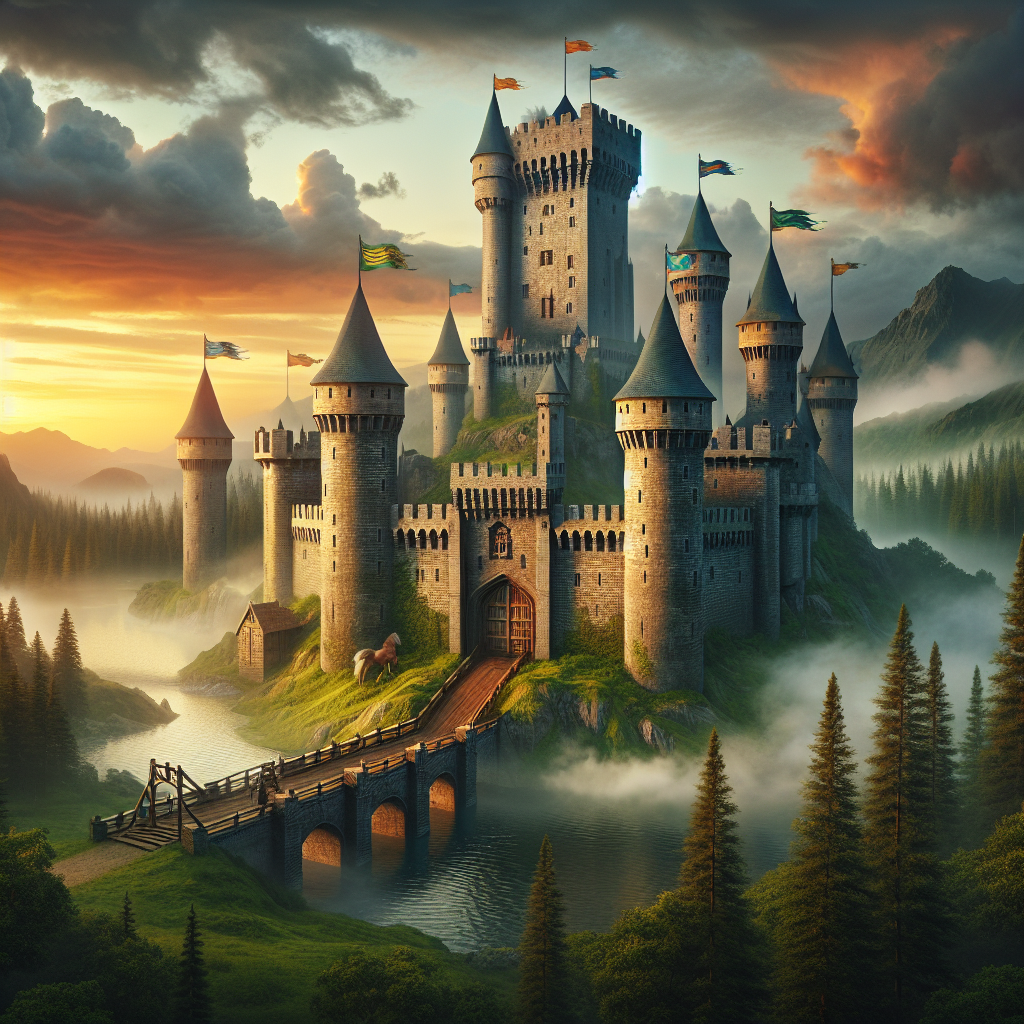
Bavaria's renowned fairy-tale castles have achieved global recognition as they officially join the UNESCO World Heritage list. Announced during the 47th session of the UNESCO World Heritage Committee in Paris, the decision honors the architectural brilliance and cultural impact of 19th-century palaces built by King Ludwig II.
Neuschwanstein Castle, one of the castles receiving this prestigious designation, began construction in 1869 but ultimately remained uncompleted due to King Ludwig II's untimely death in 1886. Despite its unfinished state, Neuschwanstein has become an iconic tourist attraction, attracting 1.4 million visitors annually. The castle's unique design even inspired the famed Disney castle logo.
Markus Soeder, Bavarian state premier, hailed the UNESCO designation as a global accolade, emphasizing Neuschwanstein's status as 'Bavaria's landmark par excellence.' Soeder highlighted that while the castle might evoke comparisons to Disney, it remains a cultural and artistic original from Bavaria.


 Google News