

The Untold Story of NPK: Revolutionizing Agriculture
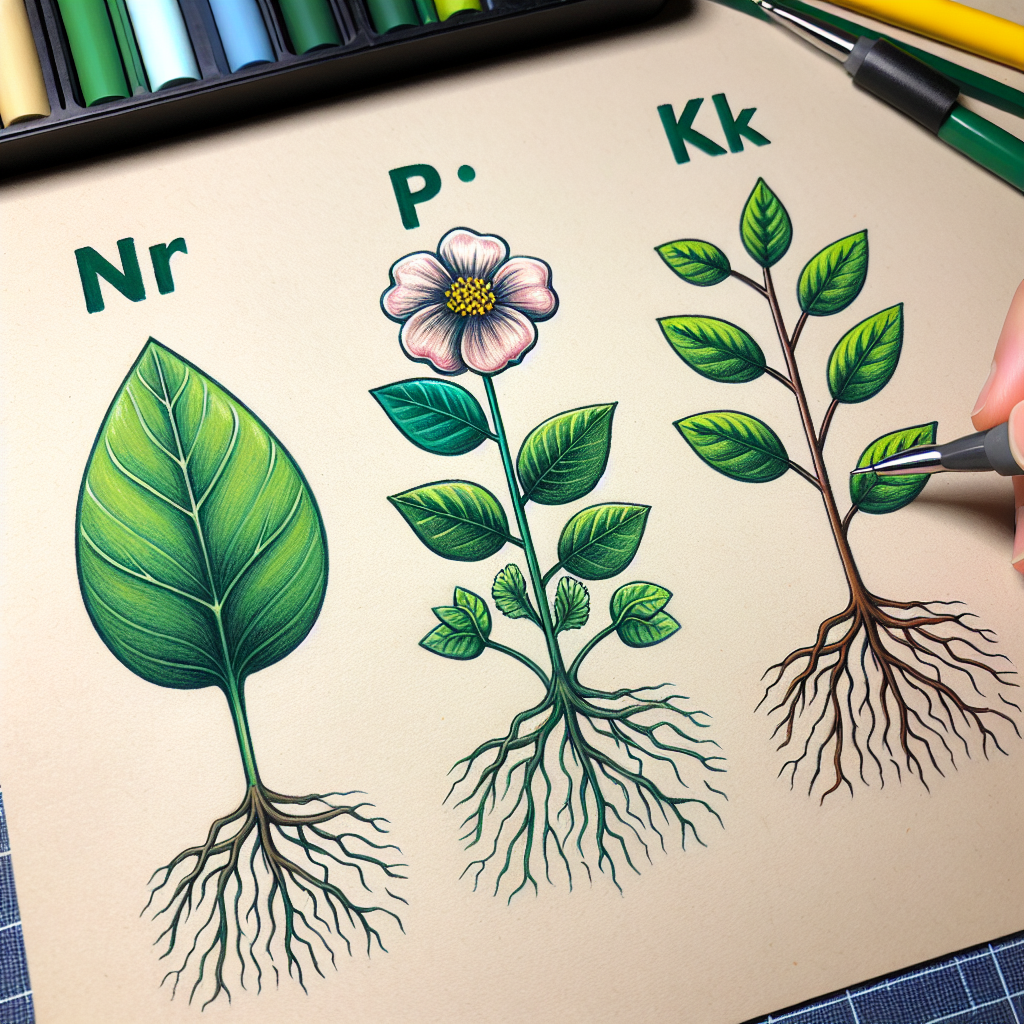
NPK, a vital trio of nutrients—Nitrogen, Phosphorus, and Potassium—plays a crucial role in enhancing soil quality and boosting agricultural yield. This nutrient combination has significantly contributed to modern farming practices and overall food security. Understanding NPK's impact is essential for sustainable agriculture.
- Country:
- United States
NPK, an abbreviation for Nitrogen, Phosphorus, and Potassium, represents a groundbreaking trio of nutrients essential for soil enhancement and agricultural productivity. These components work in harmony to boost crop yields and improve soil quality, making them indispensable in modern farming.
The impact of NPK on agriculture cannot be overstated. By optimizing soil health, farmers can significantly increase their produce, thereby supporting food security on a global scale. This nutrient combination has become a cornerstone of sustainable farming practices.
With the growing importance of sustainable agriculture, it is crucial to understand how NPK contributes to farming ecosystems. Its role in revolutionizing agricultural practices is a testament to the continuous advancements in agronomy.


 Google News