

UN Women Report Reveals Dire Conditions and Security Threats for Displaced Women and Girls in Haiti
The situation, exacerbated by ongoing political instability, escalating gang violence, and the hurricane season, is threatening the well-being of women and girls on the Caribbean island.
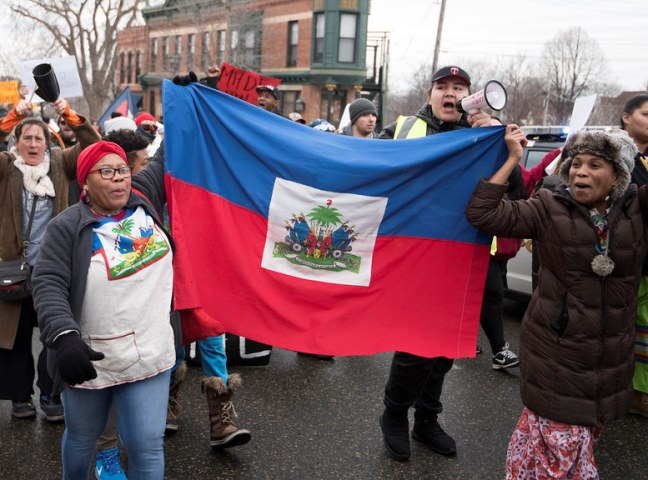
A recent report by UN Women has highlighted the alarming living conditions and lack of security faced by 300,000 displaced women and girls in Haiti. The situation, exacerbated by ongoing political instability, escalating gang violence, and the hurricane season, is threatening the well-being of women and girls on the Caribbean island.
The report reveals that women and girls account for 54 percent of the 580,000 internally displaced people in Haiti. The new UN Women Rapid Gender Assessment, conducted in the six most populated and diverse Internally Displaced Persons (IDP) sites in Port au Prince, shows that makeshift camps lack basic human necessities and place women and girls at heightened risk of sexual and gender-based violence. The survey found that most camps have no lighting or locks in essential areas like bedrooms and toilets, exposing residents to daily threats from armed gangs. The constant danger of stray bullets and other security risks underscores the urgent need for improved protection measures in the camps.
Sexual violence and aggression against women and girls are reportedly being used in most camps as a deliberate tactic to control women's access to the limited humanitarian assistance available. With only 2 percent of women surveyed holding leadership roles in the management of displacement sites, the report stresses the urgency of ensuring the active participation of women and girls in decision-making processes and the implementation of immediate protection measures.
UN Women Executive Director Sima Bahous stated: "Our report tells us that the level of insecurity and brutality, including sexual violence, that women are facing at the hands of gangs in Haiti is unprecedented. It must stop now. We urge the newly appointed government to take measures to prevent and respond to the violence women and girls are subjected to, and to increase women's participation in the camps' management so that their security concerns are listened to and acted upon. Humanitarian aid must be safely distributed in line with the differentiated needs of women and girls."
The survey also found that over 88 percent of women interviewed have no source of income in the camps. As a result, over 10 percent said they had resorted to or considered sex work/prostitution to meet their needs at least once, and a further 20 percent knew at least one person who had done so. Additionally, 16 percent of women respondents reported feeling intimidated, harassed, or traumatized by violent armed gangs, and almost 70 percent said they were mentally affected by the upsurge in violence. Only 10 percent of women surveyed reported having access to health services in displacement camps.
UN Women is actively supporting women's organizations to reach displaced persons within host communities and camps. This includes projects supported by the Women's Peace and Humanitarian Fund, the UN Peacebuilding Fund, and Germany. Additionally, UN Women has trained police officers to improve the prevention of sexual and gender-based violence and provide services to survivors. Support for female entrepreneurs affected by road blockages and ongoing violence is also provided through the Women Economic Empowerment project funded by Norway, as they seek to protect their economic activities and safety.
UN Women calls on all stakeholders involved in the Multinational Security Support (MSS) mission to ensure the immediate protection of women and girls and to give Haitian women's organizations a leading role in managing these overcrowded displacement camps, where thousands of women and girls face daily risks.


 Google News