

FAO Calls for Urgent Action Against Rising Avian Influenza
The United Nations' Food and Agriculture Organization has warned about a significant increase in avian influenza cases in humans and animals across the Asia-Pacific. The H5N1 virus, now more widespread and affecting new species, poses a greater pandemic threat. Coordinated global response and improved surveillance are urgently needed.
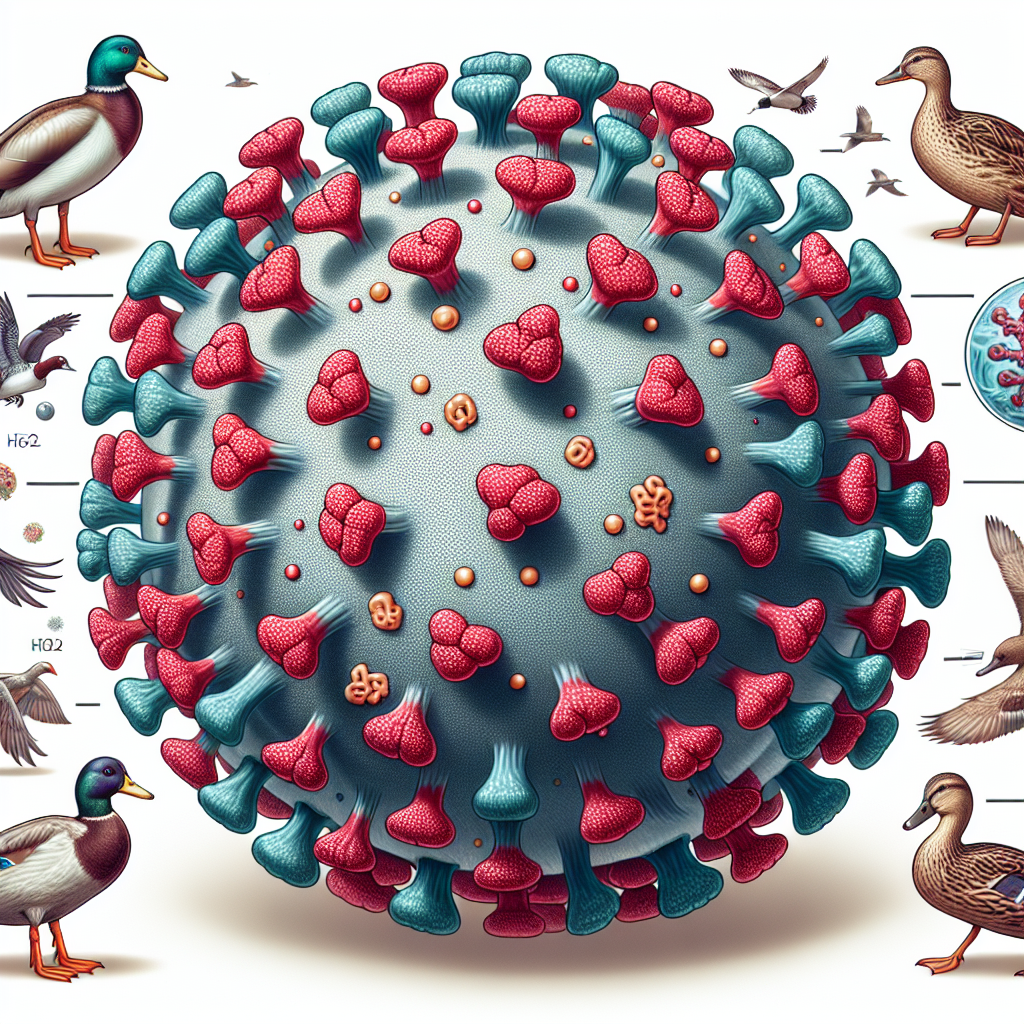
The United Nations' Food and Agriculture Organization (FAO) has issued an urgent call for action in response to an alarming rise in avian influenza cases affecting both humans and animals across the Asia-Pacific region.
The H5N1 virus has now spread to new areas, including South America and Antarctica, and is infecting previously unaffected species. Kachen Wongsathapornchai, regional manager of the FAO's Emergency Centre for Transboundary Animal Diseases, highlighted the recent increase in human infections and virus spread since late 2023.
Wongsathapornchai emphasized that novel A/H5N1 strains, which are more easily transmissible, increase the risk of a pandemic. Immediate and coordinated preventive actions are required, he said. The FAO noted 13 new human infections in Cambodia, with additional cases in China and Vietnam. Other regions including the Greater Mekong subregion, Indonesia, and the Philippines are also under increased scrutiny.
India, Nepal, and Bangladesh continue to battle outbreaks, while Thailand and Myanmar have been free of outbreaks for years. The FAO stressed the need for member nations to enhance surveillance, including full genome sequencing, to monitor the virus’s spread and evolution. The agency also called for transparent information sharing among governments, international organizations, and the private sector, and urged the poultry industry to strengthen biosafety measures.
The H5N1 strain has resulted in the deaths of billions of birds globally and has infected multiple mammal species. Australia, facing three simultaneous bird flu outbreaks, reported a human H5N1 case in May. Additionally, a rare H3N8 subtype claimed its first human fatality in China earlier this year. Scientists are increasingly concerned that gaps in surveillance may impede efforts to prevent a new pandemic.


 Google News