

Digital Divide: How Trade Barriers Hold Back Women Entrepreneurs
A UNCTAD report highlights the challenges women entrepreneurs face in e-commerce due to non-tariff measures. While e-commerce offers significant opportunities, women-led businesses encounter higher compliance costs and less access to support services. The report calls for comprehensive policies to address these gender-specific barriers and enhance women's participation in global trade.
 CoE-EDP, VisionRI
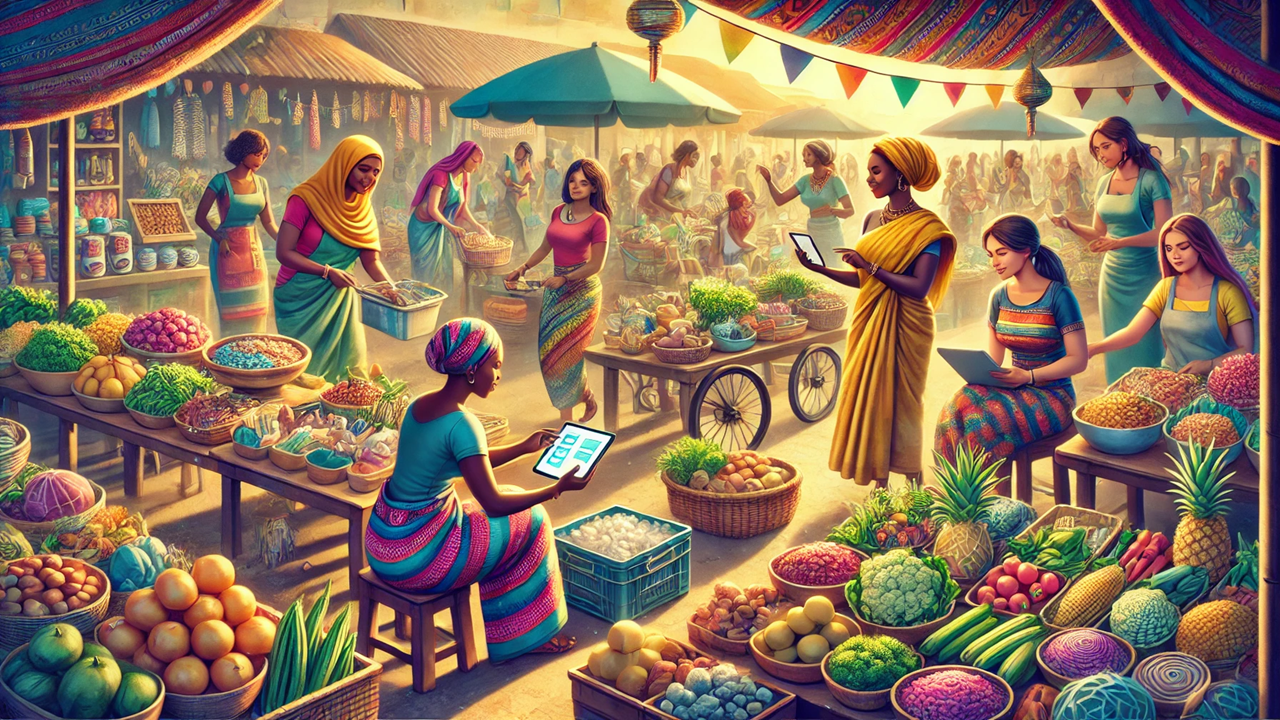
In the bustling world of e-commerce, women entrepreneurs in developing countries are carving out a space for themselves, yet they face unique challenges that threaten their success. A recent report by the United Nations Conference on Trade and Development (UNCTAD) titled "The Impact of Non-Tariff Measures on Women's E-Commerce Businesses in Developing Countries" sheds light on these obstacles and offers insights into potential solutions.
E-Commerce: A Double-Edged Sword for Women Entrepreneurs
E-commerce has revolutionized global trade, offering new opportunities for businesses worldwide. For women in developing countries, it promises a way to bypass traditional barriers, providing access to wider markets and reducing initial investment needs. The COVID-19 pandemic accelerated this trend, with online transactions skyrocketing. Yet, as e-commerce becomes more integral to the global economy, the hurdles women face become more apparent.
Women-led e-commerce firms often struggle with limited access to finance, legal barriers, and persistent gender stereotypes. These businesses are generally smaller and concentrated in less profitable sectors, which limits their growth potential. Platforms like Amazon and Alibaba offer some support, but the disparities in access and resources remain significant.
The Hidden Costs of Non-Tariff Measures
Non-tariff measures (NTMs) are regulatory barriers that countries impose to protect public health, safety, and the environment. While these measures are essential, they add layers of complexity and cost to international trade. For women entrepreneurs, these costs are disproportionately high due to pre-existing gender gaps.
NTMs such as sanitary and phytosanitary measures, technical trade barriers, and pre-shipment inspections are increasing globally. Women-led firms, particularly those in agriculture and textiles, face higher compliance costs. These costs include obtaining necessary certifications, navigating complex customs procedures, and meeting product standards.
Moreover, the digital nature of e-commerce introduces additional challenges. Small consignments and time-sensitive deliveries are the norm in e-commerce, making customs delays and regulatory compliance even more burdensome. The report highlights that women-led businesses spend about 50% more time clearing customs than their male counterparts, a disparity driven by lower digital literacy and smaller firm sizes.
Bridging the Support Gap
Support services play a crucial role in helping businesses navigate NTMs. However, women-led e-commerce firms often lack access to these services. E-commerce platforms can mitigate some challenges by offering logistics, marketing tools, and payment services. Yet, the utilization of these platforms by women entrepreneurs remains limited, especially for those running smaller businesses.
Institutional support is also lacking. Many women entrepreneurs cite a male-dominated business culture and insufficient institutional backing as significant barriers. In Uganda, for example, women-led ICT firms identified these issues as major hurdles in expanding their export capabilities.
Toward a More Inclusive E-Commerce Landscape
Despite the challenges, e-commerce remains a powerful tool for women's economic empowerment. To unlock its full potential, comprehensive solutions are needed to address the specific impacts of NTMs on women-led businesses. Policies should focus on,
- Enhancing access to finance and training for women entrepreneurs.
- Simplifying compliance procedures and providing clear, accessible information.
- Increasing institutional support and creating a more inclusive business culture.
- Leveraging digital tools to streamline trade facilitation and reduce administrative burdens.
The UNCTAD report underscores the importance of recognizing and addressing the gendered effects of NTMs. By doing so, we can create a more equitable and prosperous e-commerce landscape that empowers women entrepreneurs and drives inclusive growth in developing countries.
- FIRST PUBLISHED IN:
- Devdiscourse
ALSO READ
-
New Zealand Gives NZ$300,000 to Help Developing Countries Build Safer Food Trade
-
Türkiye Secures $400m ADB Loan for Resilient Homes and Women-Inclusive SMEs
-
Hidden Dangerous Goods Spark IATA Call for Stronger Safety Across Air Cargo Chains
-
From Training to Trading: Why Real Customer Demand Could Accelerate SME Digital Transformation
-
Tripoli Entrepreneurs Need Better Funding, Skills and Support to Help Businesses Grow


 Google News