

Govt Updates on Fertilizer Subsidy Schemes and Initiatives for Sustainable Agriculture
Since April 1, 2010, the Government has implemented the Nutrient Based Subsidy (NBS) scheme for Phosphatic & Potassic (P&K) fertilizers.
- Country:
- India
In a recent statement in the Lok Sabha, Union Minister of State for Chemicals and Fertilizers Smt Anupriya Patel outlined the government's various schemes and initiatives related to fertilizer subsidies and sustainable agriculture practices.
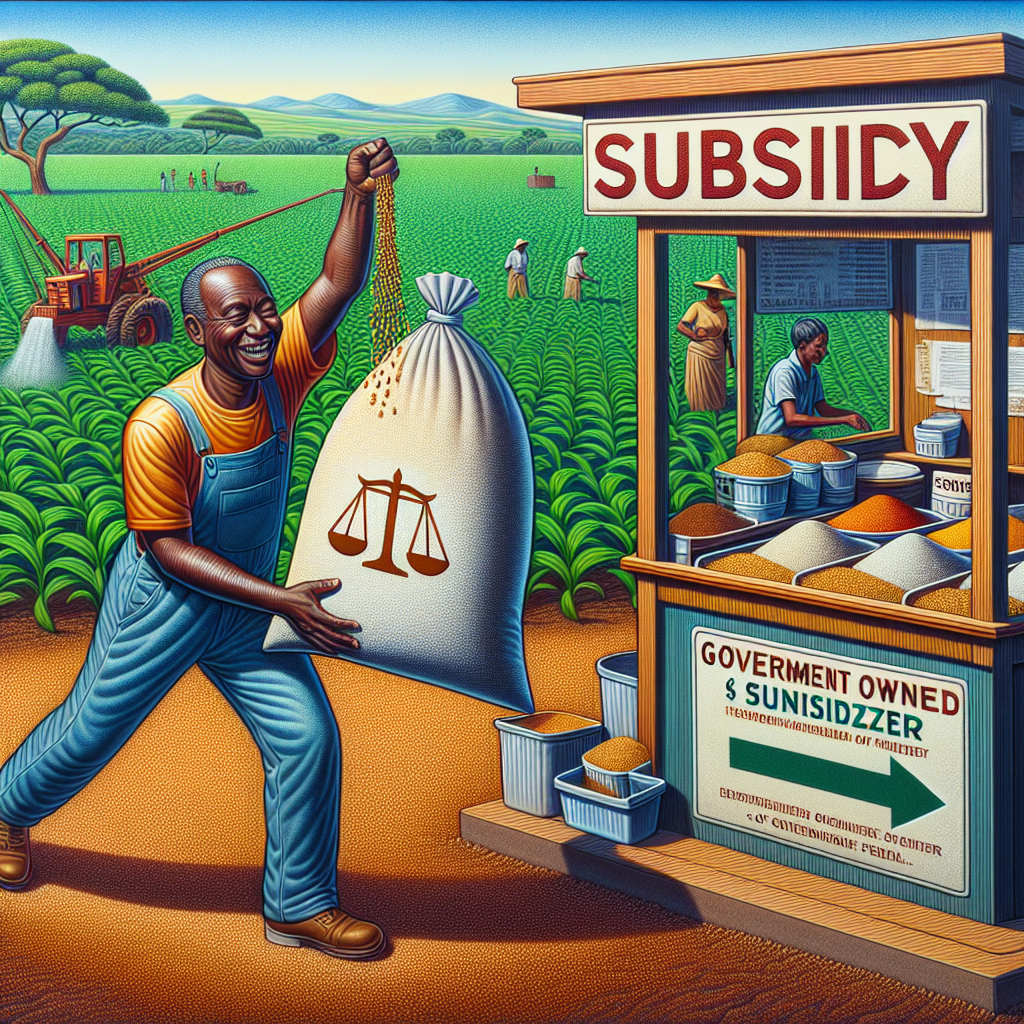
Since April 1, 2010, the Government has implemented the Nutrient Based Subsidy (NBS) scheme for Phosphatic & Potassic (P&K) fertilizers. This scheme provides a fixed subsidy amount, determined annually or bi-annually, based on the nutrient content of fertilizers, including Di-Ammonium Phosphate (DAP). The Maximum Retail Price (MRP) of these fertilizers is set by companies according to market conditions, with government oversight ensuring reasonable pricing. The P&K sector is decontrolled, allowing companies to produce or import fertilizers based on market dynamics.
To ensure affordable availability of DAP, the government has introduced special packages beyond the NBS subsidy. For the 2024-25 period, a one-time special package has been approved due to geopolitical challenges affecting DAP procurement. This package offers ₹3500 per metric ton to P&K fertilizer companies to maintain sustainable DAP prices for farmers. Additionally, guidelines are in place to ensure that MRPs set by P&K fertilizer companies remain reasonable.
Urea, another critical fertilizer, is provided to farmers at a statutorily fixed MRP of ₹242 per 45 kg bag, which has been unchanged since March 1, 2018. The government compensates urea manufacturers for the difference between the delivered cost and the net market realization, thus maintaining subsidized rates for farmers.
The Indian Council of Agricultural Research (ICAR) has highlighted the long-term impacts of chemical fertilizers on soil health and crop productivity. Research indicates that exclusive use of NPK fertilizers can lead to nutritional disorders and soil degradation. ICAR recommends balanced and integrated nutrient management practices that combine inorganic and organic fertilizers to sustain soil fertility and crop yields.
In June 2023, the government launched the "PM Programme for Restoration, Awareness Generation, Nourishment, and Amelioration of Mother-Earth" (PM-PRANAM). This scheme supports states and UTs in promoting sustainable fertilizer use, organic farming, and resource conservation technologies. Under PM-PRANAM, states/UTs can receive 50% of the subsidy savings from reduced chemical fertilizer use as a grant, aimed at encouraging balanced and sustainable agricultural practices.
Additionally, the government has approved Market Development Assistance (MDA) of ₹1500 per metric ton to promote organic fertilizers produced through the GOBARdhan initiative. This initiative includes support schemes like the SATAT scheme of the Ministry of Petroleum and Natural Gas, the 'Waste to Energy' program of the Ministry of New & Renewable Energy, and the Swachh Bharat Mission (Rural) of the Department of Drinking Water & Sanitation. The total outlay for this initiative is ₹1451.84 crore for FY 2023-24 to 2025-26, which includes ₹360 crore allocated for research funding.
These updates reflect the government's ongoing commitment to enhancing agricultural sustainability and supporting farmers through targeted subsidy schemes and initiatives.
ALSO READ
-
WTO Seeks Fresh Momentum as Fisheries and Agriculture Talks Test Path to Progress
-
Tanzania’s Growing Economy Puts Better Jobs at the Heart of Its Next Growth Chapter
-
African Development Bank Steps Up Push to Deliver Roads, Airport and Services in CAR
-
Nigeria Launches $5 Billion AgriConnect Plan to Back Farmers and Create 2.5m Jobs
-
World Bank Backs Türkiye’s Farmers With $750 M to Boost Rural Jobs and Growth


 Google News