

EU Law Challenges Cocoa Traceability in Ivory Coast and Ghana
A UN-backed report reveals that the traceability of cocoa in Ivory Coast and Ghana did not improve last year. This raises concerns about compliance with a new EU law banning imports of deforestation-linked commodities. The law's implementation could significantly impact the cocoa industry and small-scale farmers.
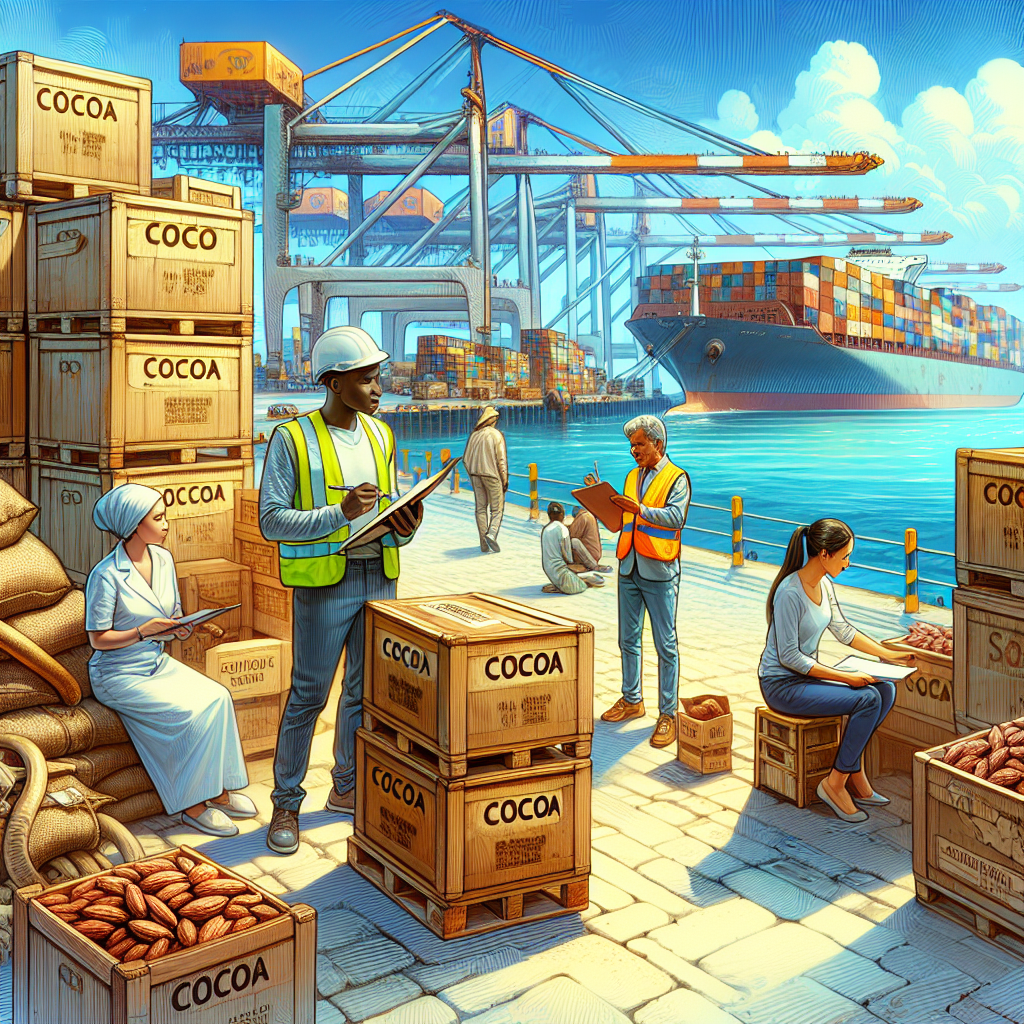
The volume of traceable cocoa in Ivory Coast and Ghana remained stagnant last year, according to a major UN-backed report. This development raises concerns about how these top cocoa growers will meet new EU regulations banning imports of deforestation-related commodities.
Starting next year, EU legislation will require importers to verify that their commodities are not sourced from deforested land. The Cocoa and Forests Initiative (CFI) report highlighted that 83% of Ghana's and 82% of Ivory Coast's directly sourced cocoa are traceable, showing no significant change from 2022.
The non-profit Trase indicated that only 35% of Ivory Coast's cocoa exports were directly sourced in 2022, with similar figures expected for Ghana. Pilot traceability systems in both countries are anticipated to improve figures by 2025 when the EU Deforestation Regulation takes effect.


 Google News