

Jim Kim resigns from World Bank Group, will join a firm to work for developing countries
Kristalina Georgieva, the World Bank's chief executive officer, will assume the role of interim president
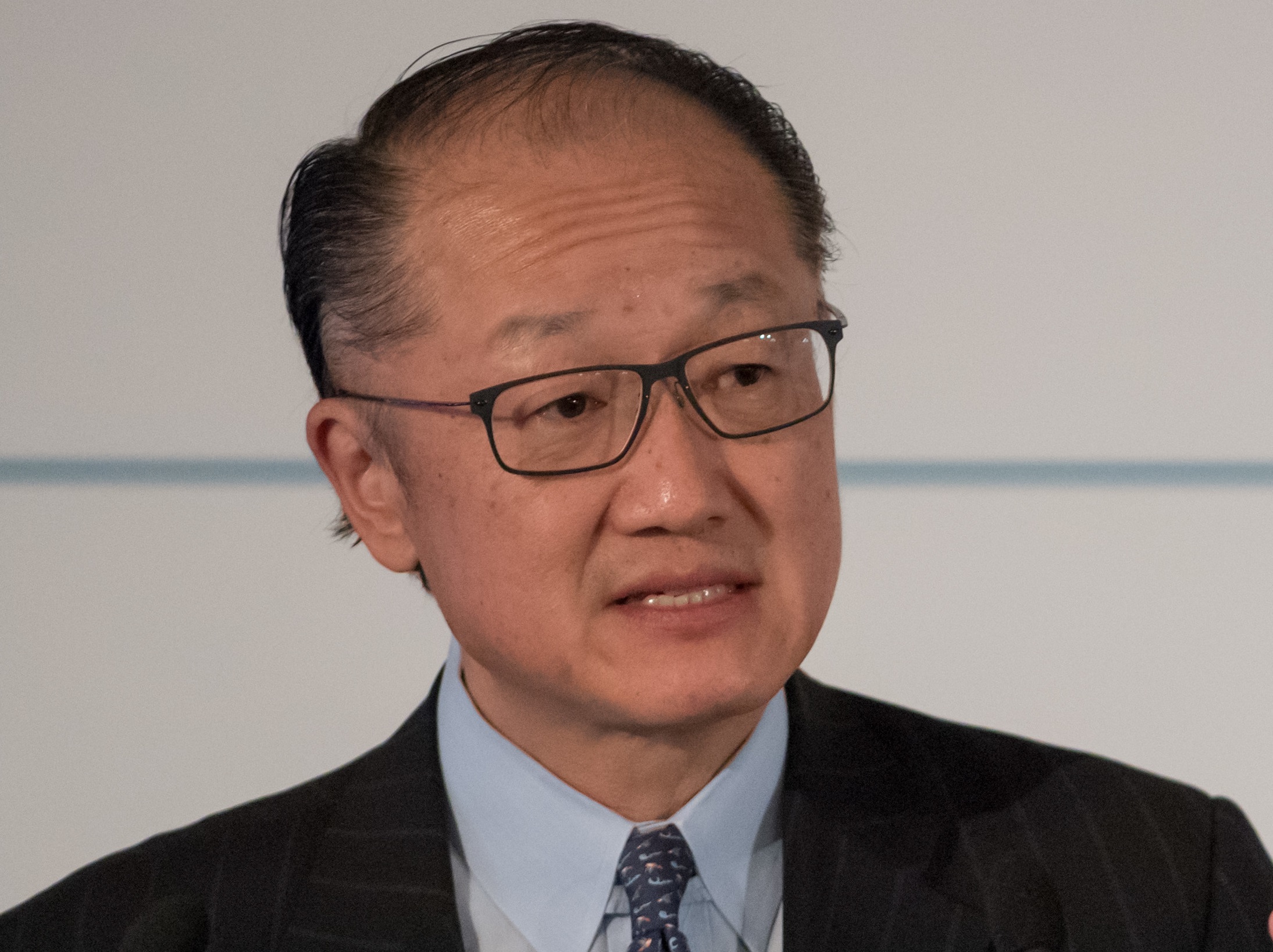
World Bank Group President Jim Yong Kim will resign effective Feb. 1, more than three years ahead of the expiration of his term in 2022, the multilateral lender said on Monday. Kim, 59, announced that he will immediately join a firm and focus on increasing infrastructure in developing countries, but the bank did not provide further details. In a tweet today, Jim intimated that he will be stepping down as Group president on February 1.
I will be stepping down as @worldbank Group president on February 1. It's been the greatest privilege I could have ever imagined to lead the dedicated staff of this great institution to bring us closer to a world that is finally free of poverty. https://t.co/jWGoihu7tu
— Jim Yong Kim (@JimYongKim) January 7, 2019
Kim, 59, a physician and public health advocate, was nominated by former U.S. President Barack Obama for a first and second term. Kim had pushed financing for green energy projects and largely dropped support for coal power investments, but had avoided public clashes with the Trump administration.
Two people familiar with Kim's announcement to the World Bank executive board said he was leaving of his own accord and was "not pushed out" by the Trump administration.
President Donald Trump, however, will wield strong influence in choosing Kim's successor as the United States holds a controlling share of the World Bank's voting rights. The bank president has traditionally been an American chosen by the U.S. administration.
Kim intends immediately to join a firm to focus on increasing infrastructure investment in developing countries, the bank said, without providing further details on the position.
Kristalina Georgieva, who in 2017 became the World Bank's chief executive officer, will assume the role of interim president when Kim departs. Georgieva, a Bulgarian national, had previously held senior European Union posts after serving 15 years at the World Bank, starting as an environmental economist in 1993.
The World Bank said Kim had emphasized that infrastructure finance was one of the greatest needs in the developing world and had pushed the bank to work with a new cadre of private sector partners on "sustainable, climate-smart infrastructure."
"The work of the World Bank Group is more important now than ever as the aspirations of the poor rise all over the world, and problems like climate change, pandemics, famine and refugees continue to grow in both their scale and complexity," Kim said in a statement. "Serving as president and helping position the institution squarely in the middle of all these challenges has been a great privilege."
ALSO READ
-
World Bank Backs Serbia’s Gas Network With $600M for Decade of Energy Upgrades
-
World Bank Backs Türkiye’s Farmers With $750 M to Boost Rural Jobs and Growth
-
Machine Learning Reveals Why Women’s Agency Measures Must Reflect Local Realities in Tunisia
-
Malawi’s Fragile Recovery Faces Jobs Test; Debt and State Firms Strain Economy
-
Ethiopia’s Justice Paradox: Fast Courts Face Staffing, Digital and Access Gaps as Cases Rise


 Google News