

SA’s MTBPS Unveils Key Spending Plans Amid Fiscal Pressures
Godongwana’s MTBPS presentation highlighted the government’s dedication to an “affordable fiscal policy” that balances immediate needs with longer-term fiscal prudence.
- Country:
- South Africa
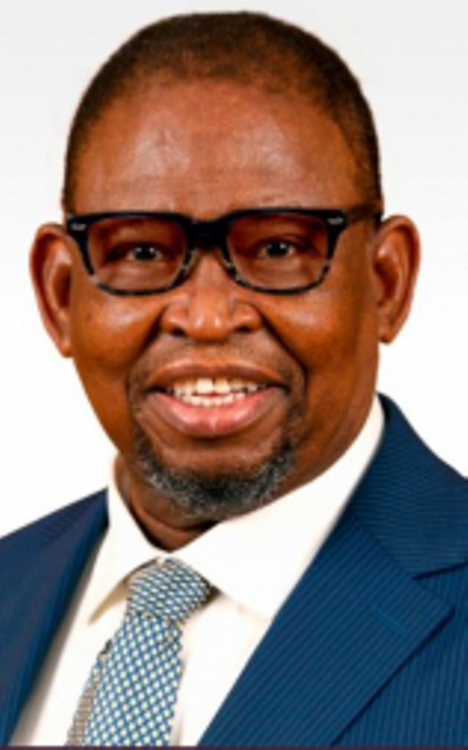
Finance Minister Enoch Godongwana has outlined the government's fiscal strategy for the 2024/25 financial year, forecasting an increase in non-interest expenditure, particularly to address social relief, infrastructure debt, and disaster response. Delivering the Medium-Term Budget Policy Statement (MTBPS) in Parliament, Godongwana cited rollovers, disaster aid, and SANRAL debt obligations as major contributors to the adjusted expenditure, alongside proposals aimed at managing the public service wage bill.
Key Drivers of Increased Expenditure
The government has allocated an additional R2.1 billion in rollovers from the prior fiscal year, alongside R2.7 billion for the COVID-19 Social Relief of Distress Grant and R2.1 billion for urgent disaster relief. Notably, a special appropriation will support the South African National Roads Agency (SANRAL) in addressing debt tied to the Gauteng Freeway Improvement Programme (GFIP), assisted by a R3.8 billion contribution from the Gauteng Provincial Government. This expenditure boost comes amid lower-than-expected revenue projections.
"Despite weaker revenue, our immediate spending pressures will be addressed," Godongwana affirmed, signalling the government's prioritization of social and infrastructure needs.
Offset Measures and Rising Debt-Service Costs
National Treasury indicated that the increases in spending are balanced against declared unspent funds, projected underspending, contingency reserves, and provisional allocations. However, debt-service costs have risen by R6.7 billion relative to the 2024 Budget.
In the medium term, main budget non-interest expenditure will increase by a net R32.4 billion over the next two years. The budget provisions include:
Early Retirement Measures: An allocation of R11 billion across 2025/26 and 2026/27 to facilitate early retirement and curb public service wage growth.
SANRAL GFIP Debt Repayment: R10.1 billion is allocated for SANRAL debt repayment and maintenance needs, to be supported by the Gauteng Province, and R3.2 billion as a national government contribution for 2025/26.
SANDF Deployment: R3.5 billion to sustain the South African National Defence Force's operations in the Democratic Republic of the Congo.
Public Sector Wage Bill Strategy
To address the public sector wage bill, which has declined from 35.7% of consolidated spending in 2013/14 to 32.1% in 2023/24, Treasury plans to reinitiate early retirement measures without penalties, with an R11 billion allocation over the next two years to support this plan. The early retirement program aims to further reduce wage costs, targeting a decrease to 31.4% of consolidated spending by 2027/28.
The government has also entered negotiations for the 2025/26 wage agreement, expected to conclude in time for the 2025 Budget. National Treasury emphasized its commitment to balanced negotiations that respect budget constraints while maintaining fair compensation for public sector employees.
Broader Fiscal Responsibility and Economic Outlook
Godongwana's MTBPS presentation highlighted the government's dedication to an "affordable fiscal policy" that balances immediate needs with longer-term fiscal prudence. Amid rising expenditure ceilings—up by R16.8 billion annually for 2025/26 and 2026/27—National Treasury reiterated its resolve to manage debt responsibly and to foster sustainable economic growth through sound fiscal management.
The statement reinforces the government's dual approach to address social demands while curbing expenditure growth, reflecting ongoing efforts to support South Africa's economic stability and reduce debt amid challenging economic conditions.


 Google News