

Kurdish Oil Exports: A New Front in U.S.-Iran Tensions
The U.S. administration under President Trump is exerting pressure on Iraq to restart Kurdish oil exports, amidst threats of sanctions. This move aims to counterbalance a potential decline in Iranian oil exports. The announcement was driven by U.S. pressure, despite Iraqi governmental denials.
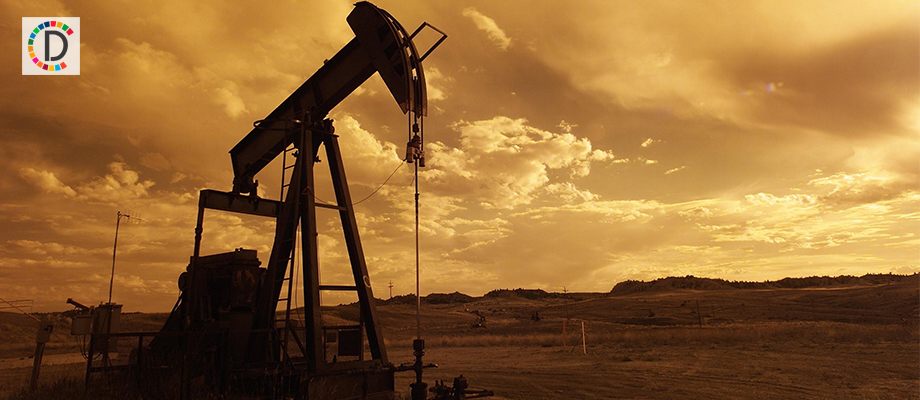
The U.S. administration is ramping up efforts to pressure Iraq into restarting Kurdish oil exports, aligning with its campaign to cut Iranian oil exports to zero. This strategy, part of Trump's 'maximum pressure' campaign, seeks to isolate Iran economically while benefiting global oil supply.
Iraq's oil minister announced the resumption of exports from Kurdistan, ending a two-year standoff that slashed output by over 300,000 barrels per day. Sources cite mounting pressure from the U.S. as a crucial factor for this development, despite statements from the Iraqi government refuting any threats of sanctions.
Meanwhile, the intricacies of the restart remain unclear, including unresolved technical issues and payment mechanisms. A continued halt of Kurdish exports not only impacts Iraq's economy but also challenges OPEC+ commitments, as stakeholders seek clarity on future operations.
ALSO READ
-
US Approves Potential Sale of F-35 Jets to Saudi Arabia, Shifting Middle Eastern Power Dynamics
-
US Eyes Controversial F-35 Deal to Bolster Saudi Defense
-
Trump's Battle to Shape the Kennedy Center Sparks Legal Drama
-
Health Crisis: Pennsylvania's Measles Outbreak Sparks Federal Dispute
-
Pennsylvania’s Measles Outbreak Spurs Clash with Federal Authorities


 Google News