

Catastrophic Earthquake in Myanmar Puts Millions of Children in Peril
Myanmar Earthquake Triggers Widespread Destruction as UNICEF Urgently Appeals for Global Aid.
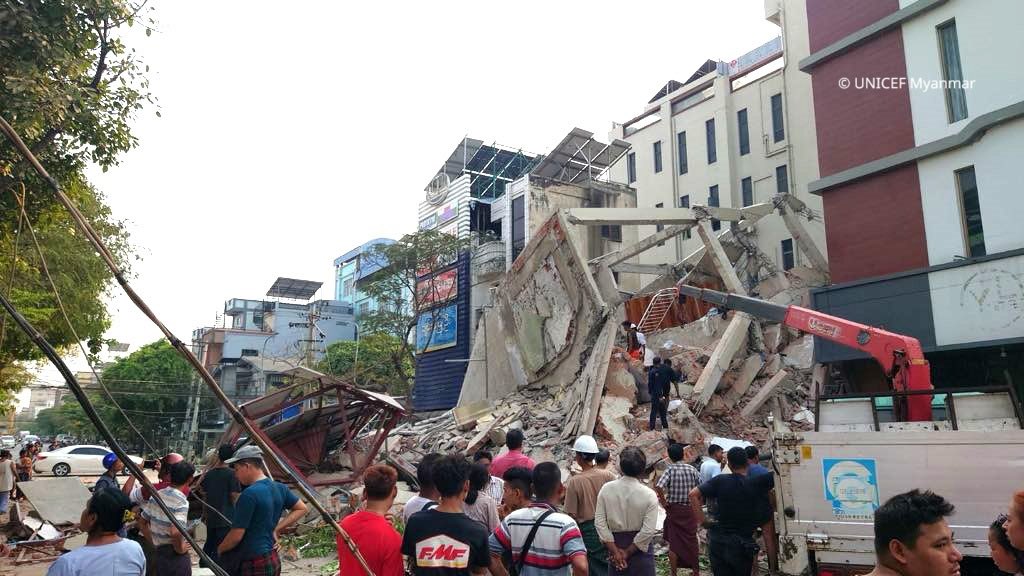
A devastating 7.7 magnitude earthquake struck Myanmar on 28 March, unleashing widespread devastation across central parts of the country and deepening an already catastrophic humanitarian crisis. With thousands dead, injured, or displaced, the disaster is taking a particularly brutal toll on children—millions of whom are now in urgent need of life-saving assistance.
According to official reports, more than 1,600 people have died and over 3,400 have been injured, many of them children. These figures are expected to rise significantly as search and rescue operations continue and access improves to more remote and severely affected areas. The hardest-hit regions include Mandalay, Nay Pyi Taw, Sagaing, Bago, and Shan, where entire communities have been reduced to rubble.
"This earthquake is another brutal blow to children in Myanmar—many of whom were already living through conflict, displacement, and deprivation," said Catherine Russell, UNICEF's Executive Director. "In minutes, they lost loved ones, homes, and access to essential services. The needs are massive and rising by the hour."
A Country in Collapse: Earthquake Hits Fragile Nation
Before the earthquake, Myanmar was already facing one of the most complex humanitarian emergencies in the world. Over 6.5 million children were in need of assistance, and one in every three displaced persons in the country was a child. Ongoing internal conflict, economic collapse, and a fractured healthcare system had left the population dangerously vulnerable. The earthquake has now pushed these fragile systems to the breaking point.
Entire villages have been leveled. Critical infrastructure including hospitals, schools, and water supply systems has been badly damaged or destroyed. Landslides triggered by the quake have cut off key transport routes, and many communities are left without electricity, clean water, or mobile connectivity, further complicating relief efforts.
Heightened Risks for Children
Children have borne the brunt of this crisis. Many are now separated from their families, living in makeshift shelters or sleeping in the open, exposed to the elements. The risks of trauma, physical injury, disease outbreaks, malnutrition, and child trafficking are rising rapidly.
UNICEF is warning of a mounting mental health emergency as well, with children facing the devastating psychological effects of trauma, displacement, and loss. "Children in Myanmar are enduring a crisis on top of a crisis," said Russell. "The need for psychosocial support, protection, and safe spaces has never been more urgent."
UNICEF Mobilizes Massive Emergency Response
In the immediate aftermath of the disaster, UNICEF deployed emergency teams to the worst-hit areas to assess needs and begin the distribution of aid. As part of its initial response, UNICEF is mobilizing 80 metric tons of emergency supplies including:
-
Health kits and medical supplies
-
Tents and temporary shelter materials
-
Hygiene kits containing soap, disinfectants, and sanitary items
-
Water purification tablets and containers
-
Child protection kits and psychosocial support materials
UNICEF is working closely with local responders, NGOs, and community leaders to reach affected families—despite the enormous logistical challenges.
Desperate Need for Global Solidarity
Despite the dire situation, the humanitarian response remains critically underfunded. As of today, less than 10% of UNICEF's 2025 Humanitarian Action for Children (HAC) appeal for Myanmar has been met. This funding gap is severely hampering the ability of aid organizations to meet the growing needs on the ground.
UNICEF is urgently calling on the international community, including governments, donors, and the private sector, to step up their support. The organization is appealing for immediate funding to expand life-saving efforts in areas such as:
-
Clean water and sanitation
-
Emergency medical care
-
Nutrition and food assistance
-
Education in emergencies
-
Family tracing and reunification services
"UNICEF is scaling up our life-saving work, and the international community is responding," said Russell. "But more resources are urgently needed to save and protect the lives of children and their families. At the same time, we need safe, rapid, and unhindered humanitarian access to affected areas so we can assist those in desperate need."
How You Can Help
UNICEF encourages individuals and organizations around the world to contribute to the emergency relief effort. Donations can help provide urgently needed supplies, support frontline responders, and ensure long-term recovery for children and their families.
To donate or learn more about UNICEF's emergency response in Myanmar, visit unicef.org
As Myanmar reels from one of its worst natural disasters in recent history, the world must act now—before more lives are lost. The children of Myanmar are counting on it.
ALSO READ
-
Somalia Faces Deepening Hunger as Flood Threat Puts Lives and Farms at Risk
-
Nepal’s Floods Leave 14,000 Children Facing Disrupted Learning as Recovery Needs Grow
-
Drone Strikes Destroy Over 292,000 Textbooks Ahead of Sudan’s New School Year
-
Eritrea Secures $9.82 M Grant to Bring Water Closer and Strengthen Rural WASH
-
Haiti’s Children Face Deepening Malnutrition Crisis as Violence Cuts Off Vital Care


 Google News