

World Markets Stabilize Amid Easing Tariff Tensions
World markets and the dollar showed slight improvements after the Trump administration indicated a reduction in the impact of U.S. auto tariffs. Investor focus remains on tariff effects and economic data, while markets respond positively but remain cautious of a potential recession. Key company earnings and geopolitical factors, such as the U.S.-China trade war, continue to influence market sentiment.
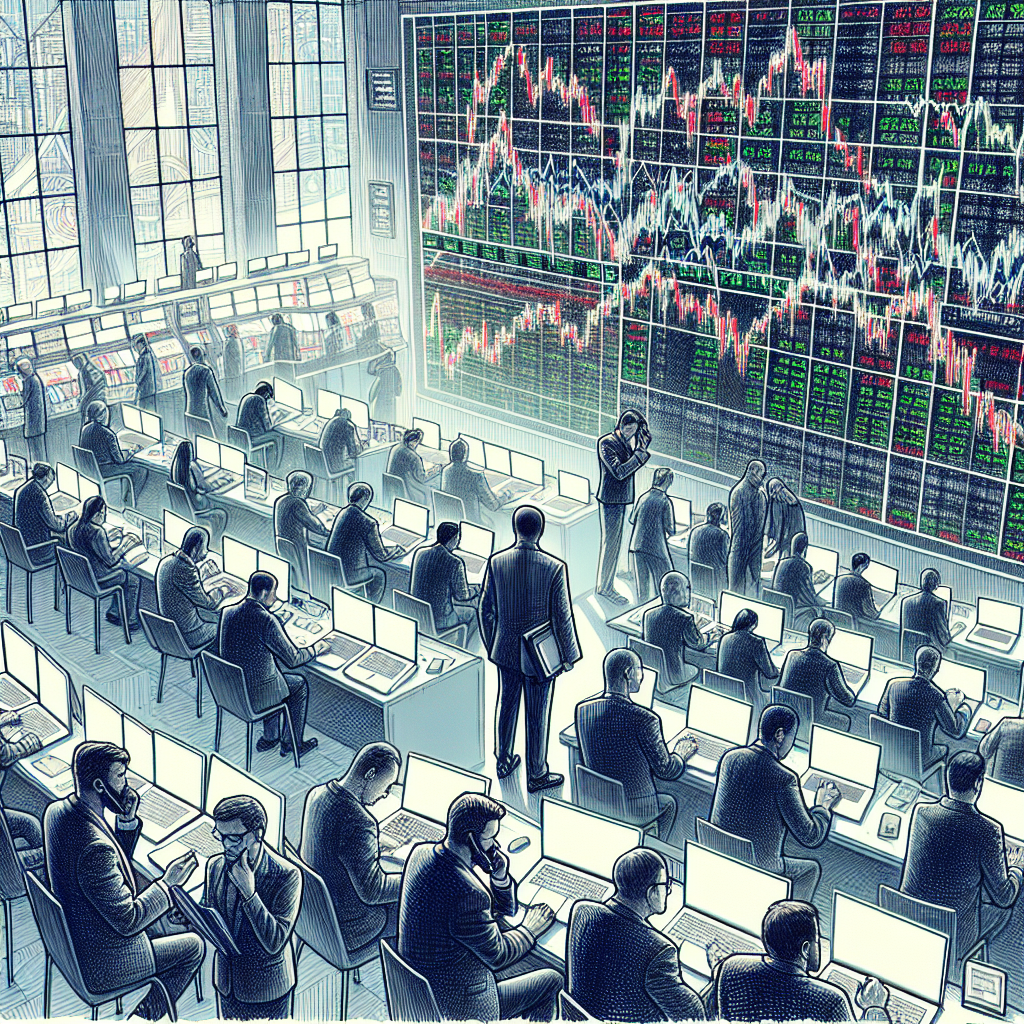
In a positive turn for world markets, stocks and the dollar saw a slight uptick on Tuesday following the Trump administration's plan to lessen the impact of auto tariffs. This move signals a potential shift in U.S. trade policy that previously caused substantial market fluctuations over the past month.
Attention now shifts to early economic indicators reflecting tariff impacts and corporate earnings. General Motors withdrew its annual forecast, citing trade war uncertainties. Additionally, the U.S. decision to curb duties on foreign parts shows a mixed influence on investor sentiment.
Economic forecasts remain cautious, with analysts observing signs of trade war stress on supply chains and global markets. Despite positive responses, concerns about a broader economic downturn persist, as highlighted by various economic data and earnings reports.


 Google News