

Reflecting on the Emergency: A Dark Chapter in Indian Democracy
At a program commemorating the 50th anniversary of the Emergency, RSS General Secretary Hosabale described it as a severe blow to democracy. Union Minister Gadkari credited RSS for resisting authoritarianism, while highlighting the importance of understanding the period's truth and lessons. The event urged acknowledgment of past injustices to uphold democratic values.
- Country:
- India
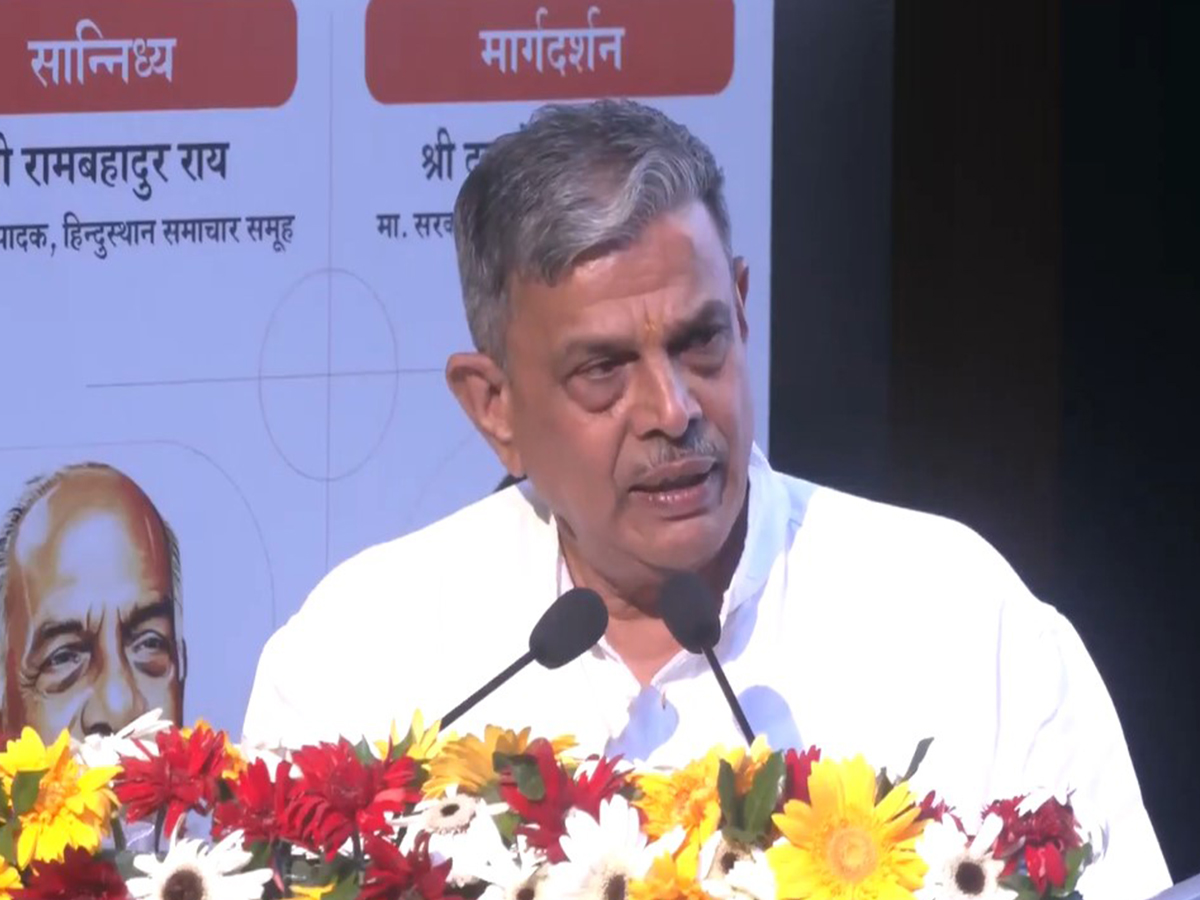
On Thursday, Rashtriya Swayamsevak Sangh (RSS) General Secretary Dattatreya Hosabale referred to the Emergency imposed on June 25, 1975, as a significant assault on Indian democracy. Speaking at an event at Dr. Ambedkar International Centre for its 50th anniversary, Hosabale criticized the forced inclusion of 'Socialism' and 'Secularism' in the Constitution, highlighting that civil liberties were severely oppressed.
Union Minister Nitin Gadkari emphasized the vital contributions of the RSS in opposing the Emergency, attributing the resilience of democracy to their efforts. He accused Indira Gandhi of altering constitutional fundamentals to maintain power, creating an atmosphere where fear suppressed democratic expression. Gadkari stressed educating the new generation about this truth.
Ram Bahadur Rai, Chair of the Indira Gandhi National Centre for the Arts, urged a deep understanding of the Emergency’s profound impact, viewing it not just as a political episode, but a period marked by authoritarian rule that led to the reinstatement of democracy by the people’s will.


 Google News