

Delhi Government Takes On Education Commercialization with New Fee Regulation Bill
The Delhi School Education (Transparency in Fixation and Regulation of Fees) Bill, 2025, tabled by Education Minister Ashish Sood, seeks to curb the commercial exploitation of education by regulating private school fees. It introduces a three-tier regulation system to ensure transparency, offering relief to parents burdened by arbitrary fee hikes.
- Country:
- India
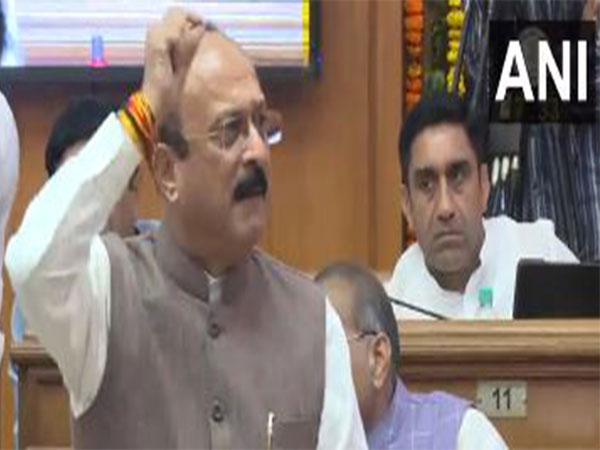
In a significant legislative move, Delhi's Education Minister Ashish Sood presented the "Delhi School Education (Transparency in Fixation and Regulation of Fees), Bill, 2025" on Monday in the Assembly. The bill targets the commercialization of education, aiming to stop profit-driven exploitation by regulating capricious fee increases in private schools across the national capital.
Highlighting its importance, Sood declared, "Education is not a commodity." The bill, introduced on day one of the Legislative Assembly's Monsoon session, promises a long-term solution to challenges faced by families due to steep private school fees. This session, starting Monday, may extend beyond August 8, based on legislative demands.
Addressing historical issues, Sood emphasized the sacred duty of education, referencing resolved national challenges like the Ram Mandir and Article 370. He identified rising private school fees as a persistent problem in Delhi, exacerbated by declining public school quality, shortage of institutions, and former governments' lack of action.
The bill mandates that private, unaided, recognized schools in Delhi submit projected fees every three years, with limited opportunities for revision. A regulation and appeal system spread across school, district, and state levels will oversee fee changes, preventing profiteering while accommodating operational costs.
Moreover, financial disclosures by schools will become mandatory, with steep fines for unlawful fee hikes or punitive actions against students. Penalties include potential cancellation of school recognition or government takeover in cases of repeated violations.
Calling it a "bottom-up approach," Sood mentioned the bill's focus on transparency and accountability, empowering parents in decision-making. "This legislation embodies a government of the people, by the people, for the people," he asserted.
ALSO READ
-
ADB’s $1.3 Billion Mongolia Plan Backs Better Healthcare, Schools and Disaster Readiness
-
Syria’s Returning Children Need Schools, Care and Safe Water to Rebuild Lives
-
IDB Sets Out Education Roadmap to Close LAC Learning Gaps
-
Lebanon’s Children Face Hunger, Lost Schooling and Work as Families Reach the Brink
-
UNICEF Praises Jordan’s Progress for Children as Funding Cuts Threaten Vital Services


 Google News