

Arctic Shortcut: China's Strategic Shipping Route to Europe
A Chinese container ship completed its first Arctic voyage to the UK, reducing transit time for Europe-bound goods. The Northern Sea Route, facilitated by global warming, offers a strategic alternative amid US-China trade tensions. Growing EU-China trade contrasts with declining US exports.
- Country:
- China
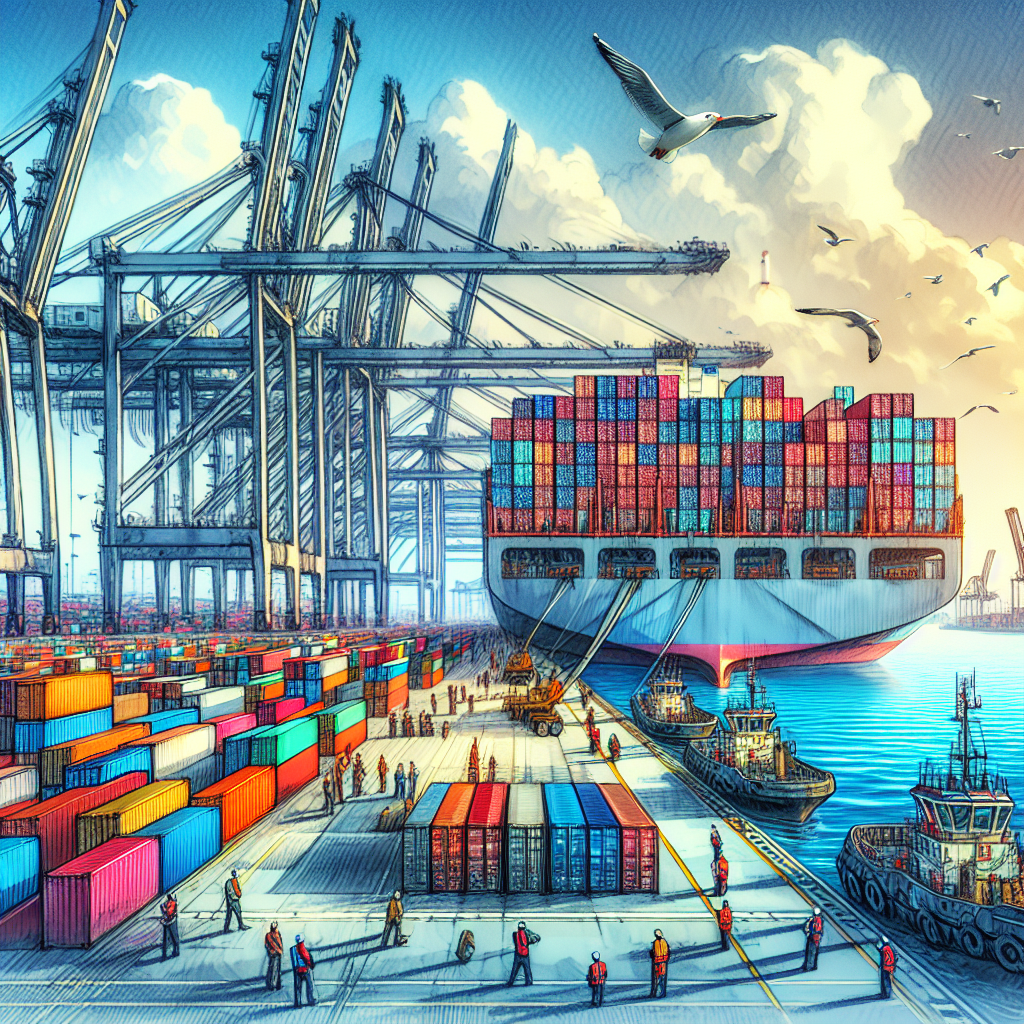
A Chinese container ship has successfully completed a landmark journey through the Arctic, arriving at a UK port and halving the typical transit time for goods such as electric vehicles and solar panels bound for Europe. The state-run Xinhua news agency reported that the Istanbul Bridge's maiden voyage, which was initially estimated to take 18 days, met a two-day delay due to a storm near Norway. Nonetheless, it arrived significantly ahead of the traditional 40 to 50 days required for voyages routed through the Suez Canal or around the Cape of Good Hope.
The newly navigable Northern Sea Route, entirely within Arctic waters and Russia's exclusive economic zone, is becoming a viable option for ships due to rising global temperatures. China is actively investigating faster maritime connections with the European Union in light of an ongoing trade war with the United States. The initiative underscores Beijing's strategy to diversify its export markets, which is critical for maintaining economic growth reliant on overseas markets.
Recent data show a contrasting trade trend: Chinese exports to Europe surged by 14% in September, whereas exports to the US fell by 27%. The rapid warming of the Arctic, happening at a rate four times faster than the world average, has led to a significant decrease in sea ice, creating new seasonal shipping opportunities. However, Arctic passage conditions remain unpredictable. The Istanbul Bridge, carrying approximately 4,000 containers from Zhoushan in China, made its UK arrival at Felixstowe, the largest container port in Britain, with additional scheduled stops in Germany, Poland, and the Netherlands.


 Google News