

Mission Against the Screwworm: Mexico's Ambitious Plan to Protect Cattle Industry
In the lowlands of southern Mexico, a swift effort to repurpose an old plant aims to combat the flesh-eating screwworm parasite threatening the cattle industry. With U.S. investment, Mexico plans to produce sterile flies, aiming to eradicate the pest and ease strained U.S.-Mexico cattle trade relations.
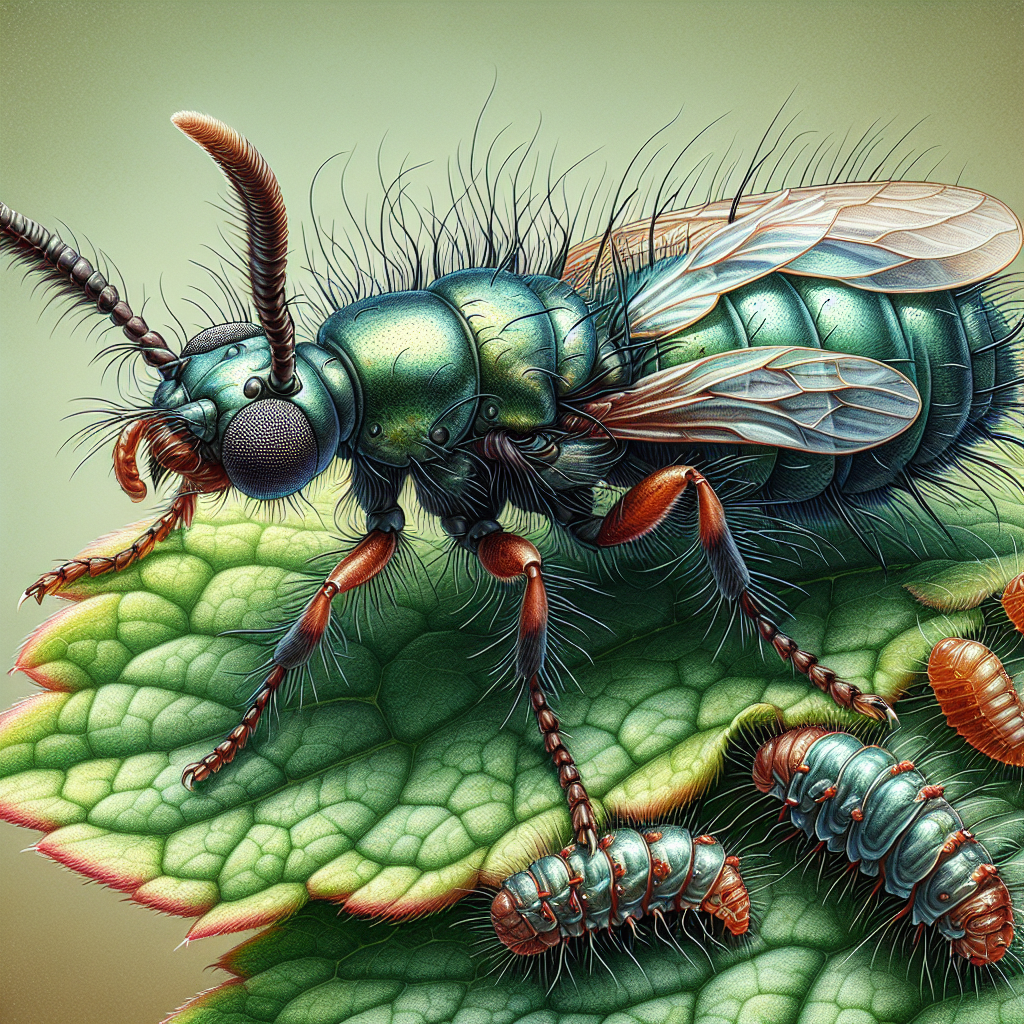
Deep within the humid lowlands of southern Mexico, a critical effort is underway to repurpose a plant as engineers, veterinarians, and entomologists race against time. The goal? To eradicate the flesh-eating screwworm parasite threatening the nation's cattle industry and escalating tensions with the United States over livestock trade.
The transformation of a once fruit fly control facility into a specialized laboratory marks Mexico's urgent drive to produce domestically sterile screwworm flies. This tried-and-tested method aims to release sterile males into the wild to collapse the parasite population. The plant renovation is seen as essential as the current outbreak moves northwards, straining Mexico-U.S. relations.
With a $21 million contribution from the U.S. towards the $51 million facility in Chiapas, the plant is set to commence operations by July 2026. On-site officials detail the complex epidemiological process of breeding millions of flies, sterilizing them with radiation, and strategically releasing them to combat the ongoing screwworm threat.
ALSO READ
-
Mexico’s Women Searchers Face Murder and Disappearance as UN Demands State Protection
-
Forever Chemicals Fuel Unequal Pollution Burden as UN Expert Calls for Urgent Bans
-
UNESCO and Natura Rally Partners in Mexico to Put Education at the Heart of Progress
-
Oaxaca Children Become Heritage Guardians Through Play, Exploration and Local Stories
-
Screwworm Resurgence Threatens U.S.-Mexico Livestock Trade


 Google News