

U.S. Embarks on $80 Billion Nuclear Reactor Revival
In a historic move, the U.S. government collaborates with private companies to build $80 billion worth of nuclear reactors, bolstering its energy dominance. As AI-driven power demands escalate, nuclear energy gains renewed focus. Critics, however, caution about waste disposal challenges, questioning its sustainability.
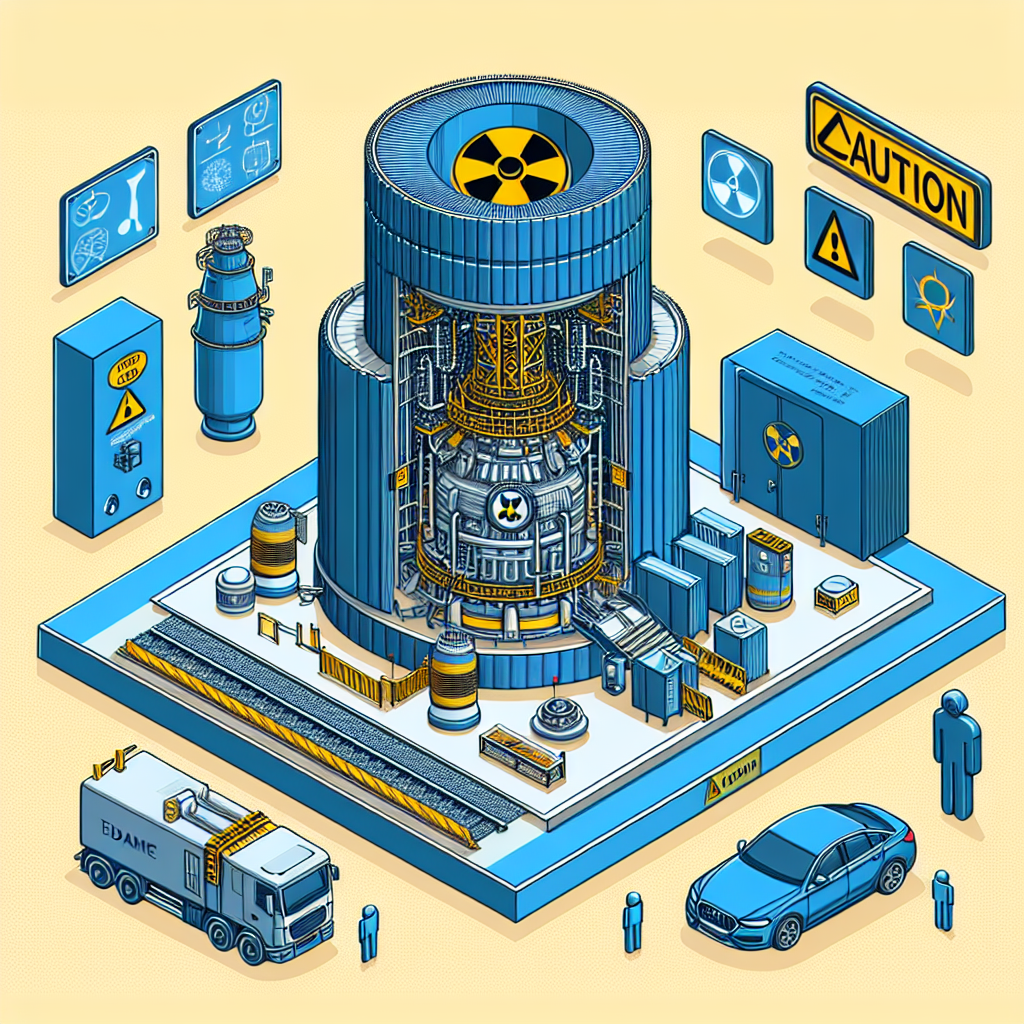
The United States is set to initiate a new era of nuclear energy development with an $80 billion investment plan partnered by the government and three pivotal companies: Westinghouse Electric, Cameco, and Brookfield Asset Management. This venture is an integral part of President Donald Trump's energy dominance strategy, marked by a major push in atomic energy.
In light of expanded demands from AI-driven data centers, the U.S. government's initiative aims at financing and permit facilitation for the construction of advanced nuclear plants. However, challenges loom, as previous projects have faced significant delays and budget overruns, raising concerns about cost containment and practical execution. Criticism also revolves around the absence of a permanent radioactive waste repository, a persistent issue in nuclear power debates.
Momentum for nuclear continues to build, with major tech firms like Google and Microsoft leading power agreements with next-gen nuclear tech providers. A recent executive order seeks a substantial boost in reactor capacity, signaling a potential resurgence in nuclear infrastructure. In parallel, market dynamics showed a 15% surge in Cameco's premarket shares following the consortium's acquisition activity and strategic advancements.


 Google News