

Trump Tariffs: Reshaping Global Trade Dynamics
The U.S. Supreme Court is reviewing the legality of Trump's global tariffs, initially imposed using the International Emergency Economic Powers Act. The tariffs, a strategic tool in trade negotiations, impact businesses like OTC Industrial Technologies, which are recalibrating supply chains amid economic uncertainties.
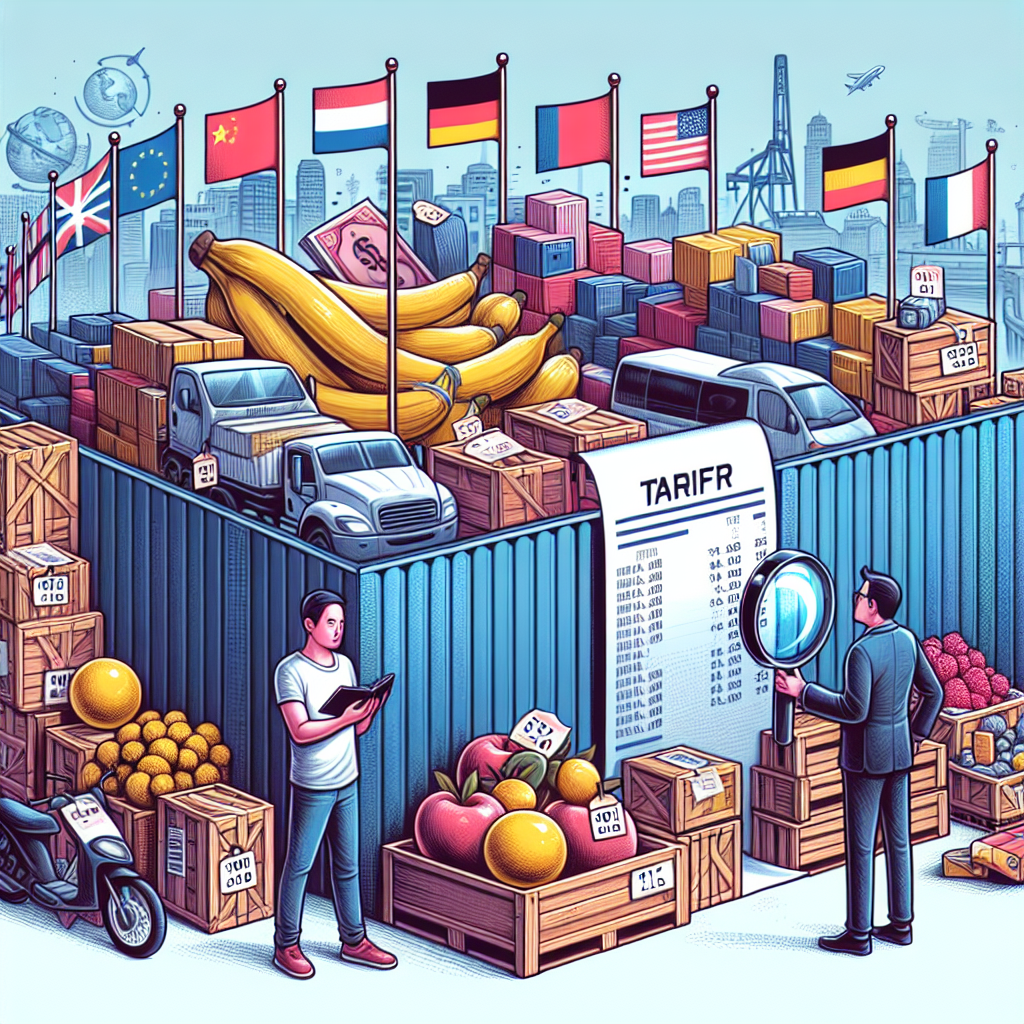
The ongoing trade tensions spurred by President Donald Trump's tariffs have significantly disrupted global supply chains. Businesses, economies, and legal entities globally are now grappling with the implications as the U.S. Supreme Court evaluates the legality of these tariffs.
Initially aimed at rectifying the U.S. goods trade deficit and counteracting political grievances, Trump's approach leverages the controversial 1977 International Emergency Economic Powers Act. Lower court decisions have previously deemed this move an overreach of authority, yet Trump's administration remains steadfast in maintaining tariffs through alternative legal measures.
As companies adapt, major trading partners have responded with both concessions and strategic retaliations. These developments, combined with potential refunds of vast tariff revenues, threaten to introduce volatility in financial markets, adding further tension to an already complex economic landscape.


 Google News