

Bulgaria's Presidential Veto Sparks Debate Over Lukoil Refinery Control Amid Sanctions
Bulgaria's President Rumen Radev vetoed legal changes allowing the government to seize Lukoil's Burgas oil refinery, citing constitutional and financial risks. Despite expanded powers for operational oversight due to U.S. sanctions, Radev's primarily ceremonial role means parliament may override the veto. Bulgaria has requested a sanctions exemption from the U.S.
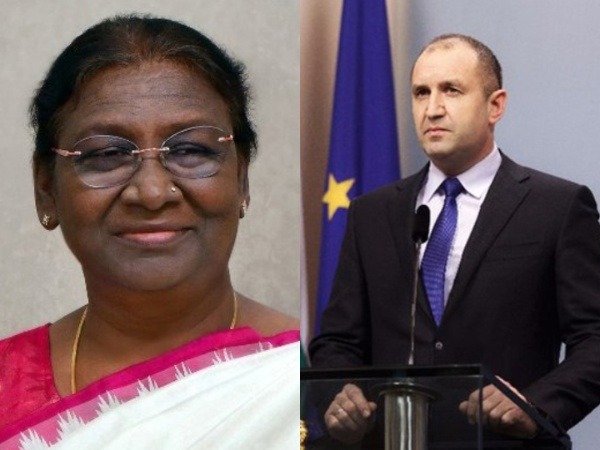
Bulgaria's President Rumen Radev on Wednesday exercised his veto power against legislative changes that aimed to enable the government to seize control of Lukoil's Burgas oil refinery. The move, designed to mitigate the effects of U.S. sanctions, has now been returned to parliament for further scrutiny.
Radev highlighted that the proposed legal adjustments fail to provide safeguards against potential future financial claims against the state and contravene the Bulgarian constitution. He warned that the changes could pose significant risks to public finances.
Despite the president's largely ceremonial role, which allows parliament to potentially override his veto, the situation highlights the ongoing impact of U.S. and British sanctions on Russian oil giants Lukoil and Rosneft. Meanwhile, Bulgaria has sought a sanctions exemption from the U.S., underscoring the urgency of the matter amid concerns for fuel supplies in the country.


 Google News