

Germany's Sputtering Export Engine: A Fragile Industrial Recovery
German exports fell by 2.5% in November, surprising analysts, while industrial output rose by 0.8%. Despite signs of stabilization, concerns persist over long-term growth due to challenging international trading conditions. Tensions with the U.S. and increased reliance on China are notable factors affecting Germany's economic landscape.
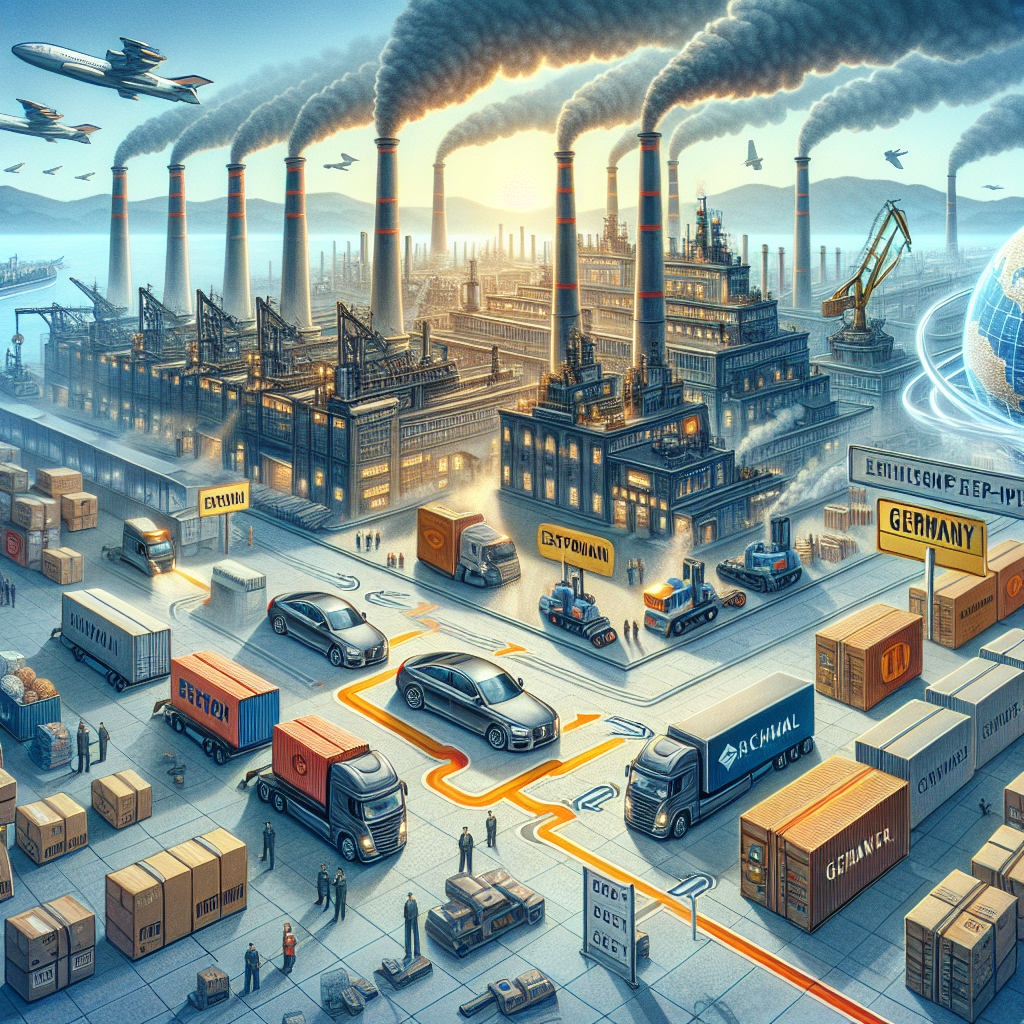
German exports took an unexpected plunge in November by 2.5%, catching analysts off guard, even as industrial output recorded a modest rise, official data revealed Friday. These trends point to the dual challenges Europe’s largest economy faces: declining foreign demand against a backdrop of domestic industrial stability.
Despite the industrial sector’s third consecutive month of growth at 0.8%, Deutsche Bank economist Marc Schattenberg highlights a significant decline in exports to fellow EU countries and the U.S., illustrating a sputtering former growth engine. Troubling trading conditions, notably U.S. tariff policies, exacerbate Germany’s export difficulties.
Volker Treier of the German Chamber of Commerce warns of persistent problems with the U.S., Germany's key export market. Meanwhile, imports from China surged, partially offsetting this decline. As Germany's trade surplus dwindles, economists remain cautious about long-term recovery prospects in the face of persistent global trade challenges.


 Google News