

Tensions Rise as U.S. Armada Heads Toward Iran, Threatening Energy Markets
President Trump has announced that the U.S. is deploying a naval armada towards Iran, escalating tensions over Iran's nuclear program. This move risks destabilizing critical energy infrastructure. Iran, home to extensive gas reserves and oil production facilities, faces ongoing Western sanctions impacting its energy exports.
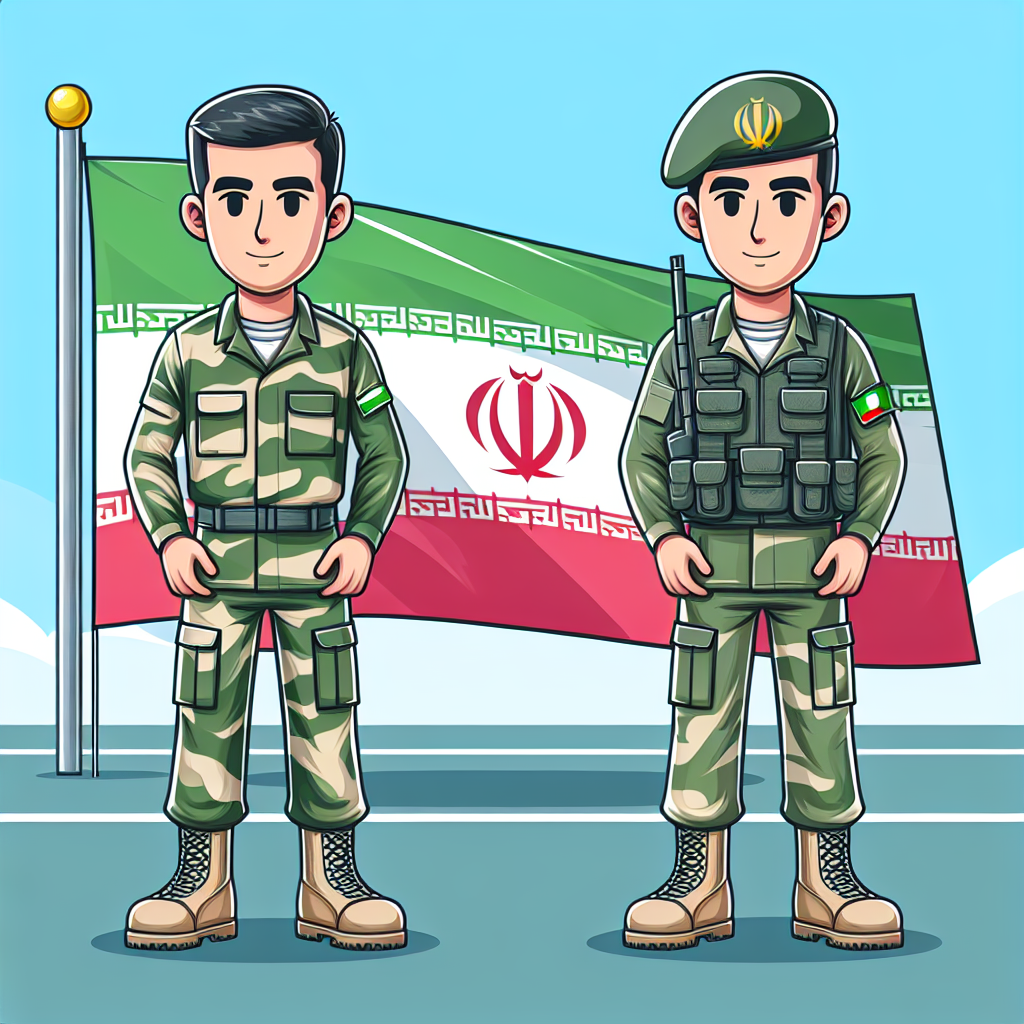
The geopolitical arena is heating up as President Donald Trump declared on Thursday the deployment of an 'armada' toward Iran, heightening tensions following recent anti-government protests in the country. Trump's warning to Tehran focuses on its nuclear activities and alleged violence against protestors. Tehran claims the U.S. is inciting unrest.
The unfolding situation is raising alarms about potential impacts on global energy infrastructure. Iran, boasting the world's largest gas reserves in South Pars, shares this resource with Qatar. Although primarily consumed domestically due to sanctions, Iran's total gas production reached 276 billion cubic meters in 2024.
Iran's oil production, crucial to global markets, remains under pressure from sanctions. Despite these challenges, its oil exports have seen a rise, driven by demand from Chinese refiners. As diplomatic strategies unfold, the oil and gas sector, particularly shipments through the Strait of Hormuz, hangs in a delicate balance amid potential U.S. military actions.
ALSO READ
-
Poverty in the Line of Fire: UN Experts Demand Iran End Border Courier Killings
-
Iran’s Civilians Trapped Between State Repression and Deadly Strikes, UN Warns
-
Lee Jae Myung's Diplomatic Milestones: Balancing Amidst Global Tensions
-
Diplomatic Moves: Takaichi's UN Meeting with Trump
-
Trade War Chessboard: Agriculture, Energy, and Rare Earths in Focus


 Google News