

World Youth Skills Day celebrated at UN and across the world to raise awareness
The day is important because rising youth unemployment is seen as one of the most significant problems facing economies and societies in today’s world, for developed and developing countries alike.
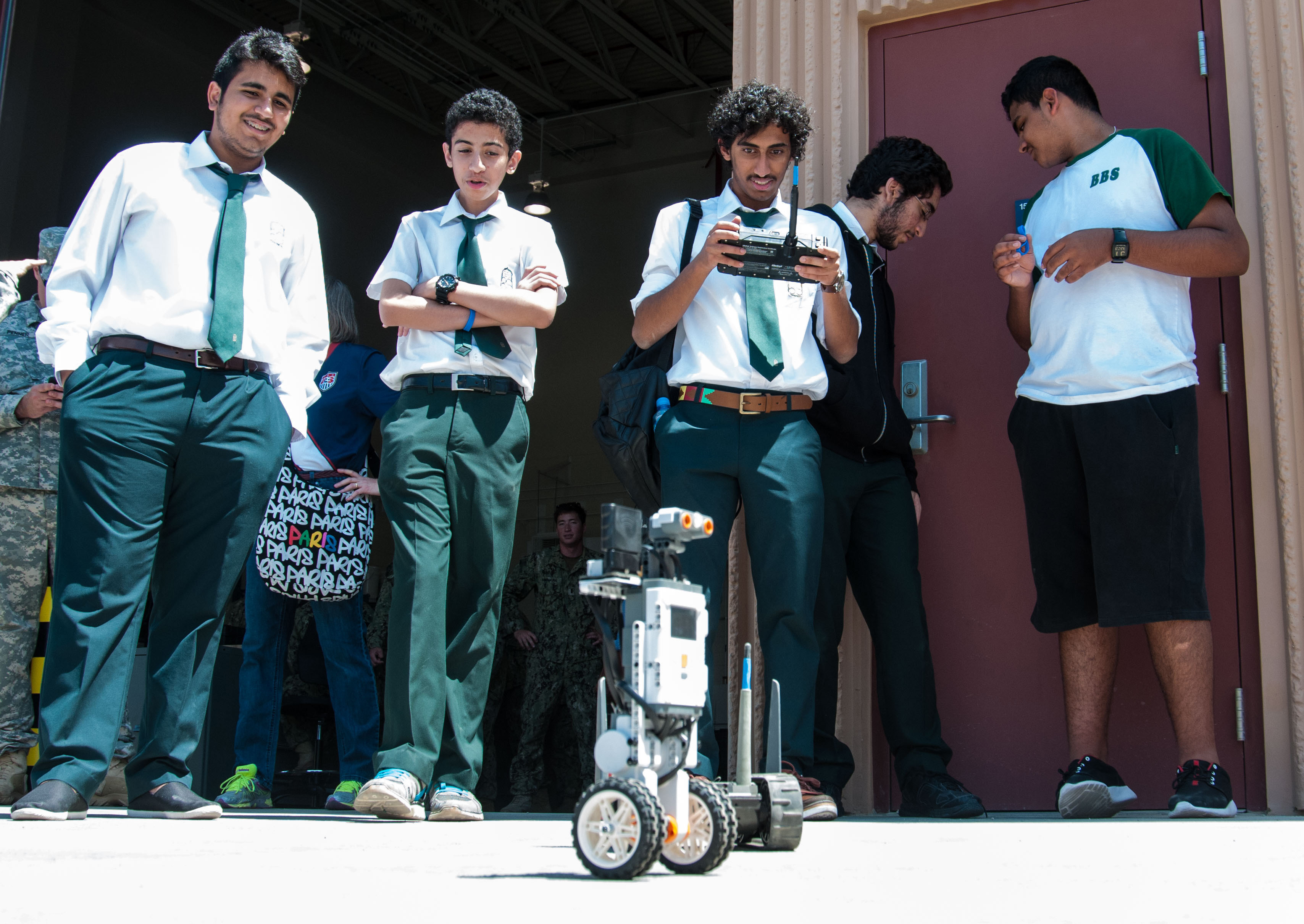
At UN Headquarters, and across the globe, events are taking place on Monday to celebrate World Youth Skills Day – marked each year on 15 July – to raise awareness about the importance of youth skills development.
The day is important because rising youth unemployment is seen as one of the most significant problems facing economies and societies in today's world, for developed and developing countries alike.
Some 73 million young people are currently unemployed, with 40 million joining the labor market each year. To tackle the problem, at least 475 million new jobs need to be created over the next decade.
Skills for all
However, data suggests that many graduates are ill-prepared for the world of work, and the UN is working to ensure that as many young people as possible have the skillset to prosper in the job market.
Education and training are a central part of the UN's 2030 Agenda for Sustainable Development, which aims to end poverty and inequality, whilst preserving the planet. Goal 4 of the Agenda is to "Ensure inclusive and equitable quality education and promote lifelong learning opportunities for all".
A significant aspect of Goal 4 is the development of technical and vocational education and training. Improving access to these skills is expected to address economic, social and environmental demands, by helping youth and adults develop the skills they need for employment, decent work, and entrepreneurship.
The UN believes that these skills can equip youth with the skills required to access the world of work, and start their own businesses; and make young people more resilient in the face of a market that demands more flexibility, helping to increase productivity and increase wage levels.
They can also reduce access barriers to the world of work, through work-based learning, and ensuring that skills gained are recognized and certified; and offer skills development opportunities for low-skilled people who are unemployed.
ALSO READ
-
Cambodia’s Career Fair Draws Young Jobseekers to Explore 35,000 Opportunities
-
World Bank Backs Tonga’s Push for Better Jobs and Business Growth With $15M Grant
-
ADB Approves $100 Million to Build Job Skills for Young Sri Lankans
-
Japanese Lawmakers Visit India to See Worker Protection and Skills Projects in Action
-
Indonesian Employers Seek a Stronger Voice in OECD Reforms on Jobs, Skills and Business


 Google News