

What you need to know about the coronavirus right now
This is a question we all need answered," Harris told a news briefing. The virus is believed to have emerged in a wholesale market in China's central city of Wuhan late last year after jumping the species barrier from the animal kingdom to infect humans.
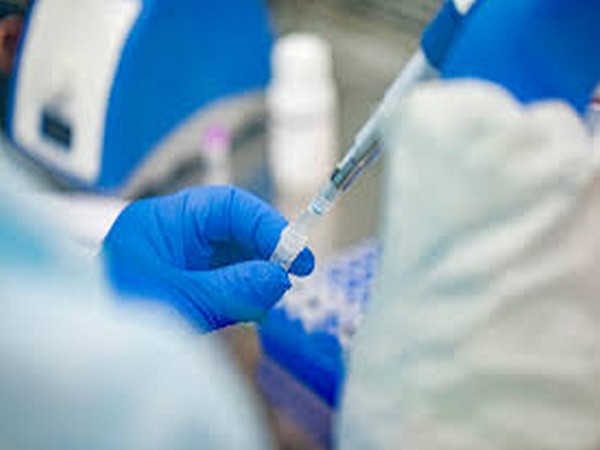
Here's what you need to know about the coronavirus right now:
WHO team in China to begin an investigation
A two-member advance team of the World Health Organization (WHO) experts is in China to help pinpoint the origins of the virus. The specialists in animal health and epidemiology will work with Chinese scientists to determine the scope and itinerary of the investigation, said WHO spokeswoman Margaret Harris, declining to identify them. "We know it's very, very similar to the virus in the bat, but did it go through an intermediate species? This is a question we all need to be answered," Harris told a news briefing.
The virus is believed to have emerged in a wholesale market in China's central city of Wuhan late last year after jumping the species barrier from the animal kingdom to infect humans. Fourth in the world for most new cases
Florida reported a record increase of more than 15,000 new virus cases in 24 hours on Sunday, as the Trump administration renewed its push for schools to reopen and anti-mask protests were planned in Michigan and Missouri. If Florida were a country, it would rank fourth worldwide for the newest daily cases, after the United States, Brazil, and India, according to a Reuters analysis.
Health officials have pleaded with the public to wear masks to limit the virus spread, but the issue has become politically divisive in the United States, unlike many other countries with far fewer infections and deaths. Many Americans still refuse to wear a mask, which health experts say helps stop transmission of the virus that has killed more than 134,000 Americans.
Outbreaks on U.S. military bases Japan and the United States are sharing infection information after about 62 cases at three U.S. military bases from July 7 to Sunday provoked ire in the southernmost prefecture of Okinawa, a top Japanese official said on Monday.
"I can't help but have strong doubts about the U.S. military's measures to prevent infections," said Okinawa Governor Denny Tamaki, pointing to reports of personnel leaving the base for beach parties and visits to nightlife districts around Independence Day on July 4. On its Facebook page for Pacific bases, the Marine Corps said it was prohibiting off-base activity for all installations across Okinawa, except essential needs such as medical appointments approved by a commanding officer.
Inspiring confidence in air travel The Dallas-Forth Worth International Airport (DFW), the home base of American Airlines, is working with the airline to roll out a self-check-in for luggage, with all its restrooms to be entirely touch-free by the end of July, using technology developed by Infax Inc.
From hands-free sinks, soap, and flushing toilets to paper towel dispensers, all will have sensors to warn of low supplies. Last year DFW rolled out biometric boarding for international flights based on facial recognition and hopes to widen the VeriScan technology to arrivals too, making use of a traffic lull for work with U.S. Customs and Border Protection, DFW chief executive Sean Donohue said.
The airport is also testing new sanitization technology that uses ultraviolet to keep germs out of the HVAC circulation. It has deployed electrostatic foggers and hired a "hit team" of 150 people to physically sanitize high-touch areas in terminals.
ALSO READ
-
WHO and KEI Explore Community Rights in Traditional Medicine Research and Innovation
-
Cholera Deaths Rise 30% as WHO Reports Highest Annual Toll in More Than Two Decades
-
World Leaders Push for Fairer Pandemic Protection as COVID’s Heavy Toll Drives Action
-
WHO Sets 2027 Southern Hemisphere Flu Vaccine Formula as Viruses Shape Risks
-
WHO Expands Quality Checks for Contraceptives and AI Tools That Help Spot Tuberculosis


 Google News