

WHO Sets 2027 Southern Hemisphere Flu Vaccine Formula as Viruses Shape Risks
Experts from WHO Collaborating Centres and Essential Regulatory Laboratories meet twice a year to review global surveillance findings and recommend vaccine compositions for upcoming influenza seasons.
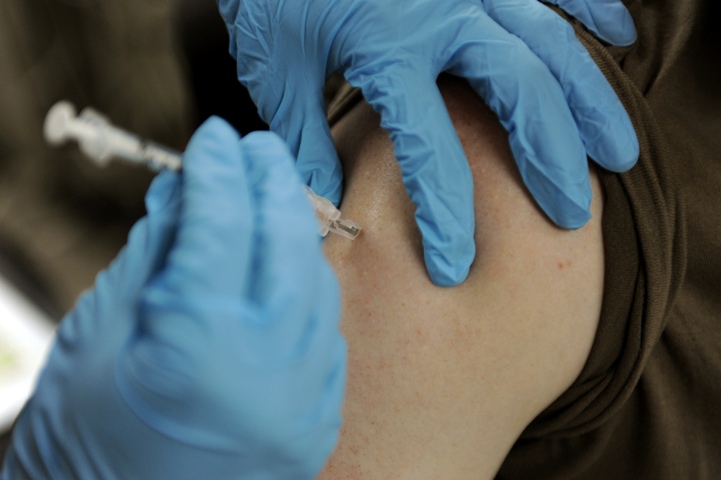
The World Health Organization has recommended the virus strains to include in influenza vaccines for the Southern Hemisphere's 2027 flu season, giving manufacturers and national regulators the guidance needed to prepare for another year of seasonal infections. Announced after an international consultation, the recommendations reflect the continuing evolution of influenza viruses and the need to update vaccines regularly. Seasonal flu causes substantial illness and many hospitalizations each year, making a close match between vaccine composition and the viruses expected to circulate an important part of protection against severe illness and death.
Tracking changing viruses to prepare for the next season
Experts from WHO Collaborating Centres and Essential Regulatory Laboratories meet twice a year to review global surveillance findings and recommend vaccine compositions for upcoming influenza seasons. Their assessments draw on the Global Influenza Surveillance and Response System (GISRS) and other sources, helping national vaccine regulatory agencies and pharmaceutical companies develop, produce and license vaccines. This process connects information gathered by laboratories across the world with decisions about the vaccines that will become available for the following season.
Surveillance from February to August 2026 found influenza A(H1N1)pdm09, A(H3N2) and influenza B viruses circulating in varying proportions across every region. Influenza A viruses were the most common in most regions, with influenza B dominating in Northern and Western Africa, North America and Eastern Asia. These geographical differences form part of the evidence experts review when assessing which viruses upcoming vaccines should cover, with recommendations reflecting the broader picture of influenza activity.
The recommended strains depend on how vaccines are made
For egg-based vaccines, WHO recommends three components: an A/Missouri/11/2025 (H1N1)pdm09-like virus, an A/Darwin/1454/2025 (H3N2)-like virus, and a B/Tokyo/EIS13-175/2025 (B/Victoria lineage)-like virus. This combination covers the two influenza A subtypes and the influenza B lineage specified in the recommendation, giving manufacturers using egg-based production a defined composition for vaccines intended for the 2027 southern hemisphere season.
For vaccines made using cell culture, recombinant protein or nucleic acid technologies, the recommended components are an A/Missouri/11/2025 (H1N1)pdm09-like virus, an A/Darwin/1415/2025 (H3N2)-like virus, and a B/Pennsylvania/14/2025 (B/Victoria lineage)-like virus. The H1N1 recommendation is shared across both groups, with different named H3N2 and B/Victoria components specified for these production methods. The precise strain designations provide the technical guidance needed to develop and assess vaccines for the coming season.
Animal influenza remains part of pandemic preparedness
The consultation examined influenza viruses circulating in animals, particularly those that have infected people, because these zoonotic viruses remain a significant concern for their potential to cause pandemics. WHO's twice-yearly meetings include detailed assessments of these threats and the selection of new candidate vaccine viruses from contemporary zoonotic influenza viruses. These candidates can support rapid vaccine manufacturing if a pandemic threat emerges, with information on newly selected candidates available through WHO's published recommendations.
Dr Maria Van Kerhove, WHO's Director for Epidemic and Pandemic Management, credited nearly 75 years of GISRS work with demonstrating the value of international cooperation in public health. Countries and laboratories sharing data, viruses and expertise make timely vaccine recommendations possible and strengthen the ability to detect and respond to emerging influenza threats. That cooperation underpins both the routine work of preparing seasonal flu vaccines and the continuing effort to keep vaccine options ready for viruses that could pose a wider danger.
ALSO READ
-
World Leaders Push for Fairer Pandemic Protection as COVID’s Heavy Toll Drives Action
-
WHO Expands Quality Checks for Contraceptives and AI Tools That Help Spot Tuberculosis
-
WHO Brings Global Experts Together to Strengthen Herbal Medicine Quality and Safety
-
El Niño Health Alarm: Rising Heat, Floods and Hunger Put Communities on High Alert
-
WHO Expands Contraceptive Choices as New Male Methods Become Reality


 Google News