

COVID-19: welcoming 2021 with public celebrations will land S Africans in jail
South Africans who insist on ringing in the New Year with public celebrations at midnight on Thursday will spend the first day of 2021 in jail, Police Minister Bheki Cele has warned, as the country recorded a new high of daily COVID-19 infections.
- Country:
- South Africa
South Africans who insist on ringing in the New Year with public celebrations at midnight on Thursday will spend the first day of 2021 in jail, Police Minister Bheki Cele has warned, as the country recorded a new high of daily COVID-19 infections. The outspoken and often-controversial officer told a gathering of police staff in Durban on Wednesday that the liquor prohibition announced by President Cyril Ramaphosa on Monday evening as part of the heightened COVID-19 lockdown restrictions will remain in place.
''There is no December 31st (partying this year). By 9 o'clock everyone should be in bed. So it is important to note that for that to happen we (the South African Police Service) need to monitor that,'' he said. South Africa has recororded a high of almost 18,000 COVID-19 infections overnight.
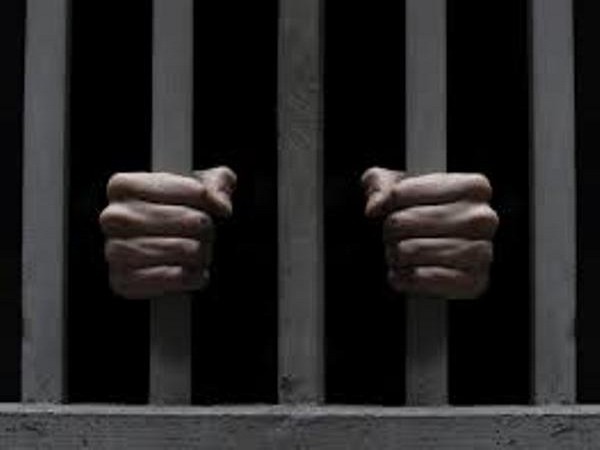
''Make sure that you lock them in! Usually you help them and show them home. This time we will give them a home. Our stations may be full, but we will make room for them,'' Cele said. Under the adjusted level three regulations, all indoor and outdoor gatherings are prohibited until January 15, except for funerals, which may not be attended by more than 50 people, with proper social distancing plans in place.
Other measures include beaches at major holiday spots being closed, a ban on alcohol sales and public consumption, and a curfew of 9 pm. to 6 am., all imposed with immediate effect, Cele said. He was referring to the hundreds of thousands of South Africans who usually gather on the evening of December 31 on beaches, in streets, and in public parks and taverns to ring in the New Year, much of it with free flowing liquor.
Hinting that the army might be called in to assist the police in enforcing the regulations, Cele said that those who are found on the streets during the curfew hours after 9 pm will be taken to holding cells. ''(The police) would usually tell you to go home. But we will give you a home. If we find you between 9pm and 6am out there, we will make sure we give you a home (in a cell) and you will go and greet a magistrate, which might give you a criminal record or keep you in prison for up to 6 months. It is important that (at) one minute past 9pm, everyone is in their house,'' said Cele.
The police minister also had strong warnings on alcohol consumption. ''Wherever your alcohol is now, it must stay there. No bottle, no can in your car boot, or taking alcohol from next door to next door. You will only keep the alcohol where it is at the present moment. You will be arrested on that one,'' he said.
Cele's colleague, Cooperative Governance Minister Nkosazana Dlamini-Zuma, added a warning about the wearing of masks in public, which is now legally compulsory, with conviction for non-compliance of up to six months in prison following an arrest. ''We don't want to arrest you – so always wear a mask,'' Dlamini-Zuma said, adding that while this seemed like a very harsh punitive measure, it was essential to protect all South Africans.
''Wearing a mask is not just protecting yourself but your loved ones and everybody else. The government does not want to arrest anyone or take anyone to prison. So please, just wear your mask and there will be no problem and the police won't do anything,'' the minister said. ''The positivity rate, being an indicator of the rapidity of the spread, remains of major concern,'' Health Minister Dr Zweli Mkhize said in a statement on Wednesday in which he confirmed that 17,710, a 33 per cent positivity rate from tests conducted, and 465 deaths overnight were the highest since the start of the pandemic in South Africa.
President Ramaphosa said that the Level 3 restrictions in South Africa's five-level COVID-19 lockdown plan will be reviewed on January 15 , but analysts say the exponentially rising infection rate and expected further increases as people start returning to their homes and workplaces from next week after the holidays are unlikely to have made an effective enough impact by then unless there is massive cooperation from the public on non-pharmaceutical interventions.


 Google News