

Health News Roundup: BioNTech pledges African access to its future cancer drugs; Singapore resumes border reopening after pause due to Omicron outbreak and more
The drug, zuranolone, also met the study's secondary goal of showing an improvement in symptoms when administered with a standard of care antidepressant, compared to a combination of placebo and antidepressants over a two-week period, the drugmakers said on Wednesday. EU lawmakers water down warnings on alcohol as cause of cancer EU lawmakers watered down their warning to Europeans over alcohol's links to cancer, stressing only excessive consumption as a risk factor and recommending labels should include advice on moderate drinking rather than a blunter health message.
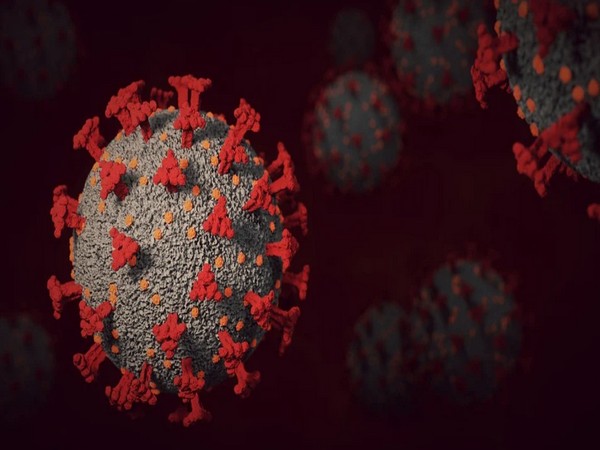
Following is a summary of current health news briefs.
BioNTech pledges African access to its future cancer drugs
Germany's BioNTech, which is preparing to produce its COVID-19 vaccine or other disease-preventing shots in Africa, said that novel cancer therapies it is working on will in the future be available on the continent at affordable prices. "We pledge as BioNTech to develop our cancer medicines also according to the needs of the African people and enable affordable access to our immunotherapies to African states and African people," the company's chief executive said at a news conference on Wednesday.
Singapore resumes border reopening after pause due to Omicron outbreak
Singapore will expand quarantine-free travel to Hong Kong, Qatar, Saudi Arabia, and the United Arab Emirates this month, its health ministry said on Wednesday, resuming border reopening after a pause due to an outbreak of the coronavirus. The city-state will also restore and increase quotas under its vaccinated travel program, which had been reduced in December to deal with the Omicron variant.
First woman reported cured of HIV after stem cell transplant
A U.S. patient with leukemia has become the first woman and the third person to date to be cured of HIV after receiving a stem cell transplant from a donor who was naturally resistant to the virus that causes AIDS, researchers reported on Tuesday. The case of a middle-aged woman of mixed race, presented at the Conference on Retroviruses and Opportunistic Infections in Denver, is also the first involving umbilical cord blood, a newer approach that may make the treatment available to more people.
BioNTech to ship mRNA vaccine factory kits to Africa
Germany's BioNTech has developed a vaccine factory-made from shipping containers that it plans to ship to Africa as assembly kits to ease what the World Health Organization has described as huge disparities in global COVID-19 vaccine access.
The factory prototype will be instrumental in helping the biotech firm deliver on a pledge made last year to Rwanda, South Africa, Senegal and the African Union to secure mRNA vaccine production on the continent, where inoculation rates have fallen far behind other parts of the world.
Xi tells Hong Kong's leaders to control COVID as infections spiral
China's President Xi Jinping has told Hong Kong's leaders that their "overriding mission" was to stabilize and control a worsening COVID-19 outbreak, pro-Beijing media reported, as infected patients lay in beds outside overwhelmed hospitals. The daily tally of COVID infections in the global financial hub rose to more than 40 times the level at the start of February as health authorities reported a record 4,285 confirmed new infections on Wednesday and another 7,000 preliminary positive cases.
Exclusive-Short AstraZeneca shelf life complicates COVID vaccine rollout to world's poorest
The relatively short shelf life of AstraZeneca Plc's COVID-19 vaccine is complicating the rollout to the world's poorest nations, according to officials and internal World Health Organization documents reviewed by Reuters. It is the latest headache to plague the COVAX vaccine-sharing project, co-led by the WHO and aimed at getting shots to the world's neediest people.
Somali doctors open war-scarred nation's only public blood bank
When Somalia's biggest bomb blast killed more than 500 people in 2017, Dr. Ahmed Abdikadir Mohamed watched helplessly as many of the injured bled to death. Exactly one year later, in October 2018, Mohamed opened Benadir Blood Service, Somalia's first public blood bank since 1991.
Omicron surge was more deadly in Japan after booster delay, critics say
A Japanese government delay in rolling out COVID-19 booster shots left it more vulnerable than other rich countries when the Omicron variant brought a surge of deaths, say experts, local governments and a former vaccine czar. The issue could mean political trouble for Prime Minister Fumio Kishida as nearly 30% of the population is aged 65 or older, and so at greater risk from the coronavirus without the protection of the booster.
Sage's depression drug meets main goal in late-stage study
Sage Therapeutics and Biogen Inc said their drug in combination with a standard of care antidepressant met the main goal of showing rapid and significant reduction in depressive symptoms in a late-stage study. The drug, quinolone, also met the study's secondary goal of showing an improvement in symptoms when administered with a standard of care antidepressant, compared to a combination of placebo and antidepressants over a two-week period, the drugmakers said on Wednesday.
EU lawmakers water down warnings on alcohol as cause of cancer
EU lawmakers watered down their warning to Europeans over alcohol's links to cancer, stressing only excessive consumption as a risk factor and recommending labels should include advice on moderate drinking rather than a blunter health message. The European Parliament's resolution is non-binding but could guide new rules from the European Commission, such as those due in 2023 on labeling of alcoholic drinks and possible tax revisions to discourage consumption.


 Google News