

Poliovirus found in London sewage, but risk of contraction considered low
They believe this is also what happened this time, with the key difference being that the virus has also probably spread between closely linked people and evolved into what is known as "vaccine-derived poliovirus", which can cause disease. Investigations into community transmission were ongoing, the agency said.
- Country:
- United Kingdom
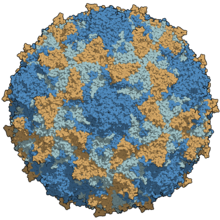
The poliovirus has been detected in several sewage samples in the British capital, the first sign since the 1980s that the virus could be spreading in the country.
Authorities have not found any cases of polio, which causes paralysis in children in under 1% of infections. The UK Health Security Agency (UKHSA) said the risk was low because of high vaccination coverage. The agency nevertheless encouraged parents to get their children vaccinated after the discovery of the virus during routine wastewater surveillance – particularly those who may have missed shots during the COVID-19 pandemic.
Nationwide vaccination levels are above the 90% needed to prevent outbreaks, but London's coverage rates among the under-twos has dipped below that in recent years. The National Health Service in the city will begin contacting parents of children under five who are not immunised.
Polio, spread mainly through contamination by faecal matter, used to kill and paralyse thousands of children annually worldwide. There is no cure, but vaccination brought the world close to ending the wild, or naturally occurring, form of the disease. UKHSA said it usually finds between one and three samples of poliovirus in sewage annually, but they have previously been one-offs. This year, one sample was found in February at the Beckton Treatment Works in east London, and there has also been ongoing detection at the same plant, which serves around 4 million people, since April.
In the past, UKHSA said the detections occurred when an individual vaccinated overseas with the live oral polio vaccine returned or travelled to the country, and briefly shed the virus in their faeces. They believe this is also what happened this time, with the key difference being that the virus has also probably spread between closely linked people and evolved into what is known as "vaccine-derived poliovirus", which can cause disease.
Investigations into community transmission were ongoing, the agency said. While this kind of event is effectively unheard of in Britain, vaccine-derived poliovirus is a known, albeit rare, threat globally in countries with low immunisation coverage. It can cause outbreaks, and Ukraine and Israel recently reported cases.
Outbreaks are more common in countries including Nigeria and Yemen. The last polio case in the UK was in 1984, and "wild" polio is now only found in Afghanistan and Pakistan, with imported outbreaks reported in Malawi and Mozambique in 2022.
ALSO READ
-
Pakistan Lawyers Rearrested Hours After Bail as UN Experts Demand Immediate Release
-
Yemen’s Civilians Face Fresh Horror as Fighting Displaces 125,000 and Kills Children
-
UNDP Urges Recovery From Day One as 160 Million People Risk Being Trapped in Crisis
-
Yemen Violence Displaces 130,000 as Shelters Fill and Aid Funding Runs Short
-
Japan-Backed ILO Projects Help 23,000 Workers Gain Rights and Fight Child Labour


 Google News