

New WHO Guidelines Aim to Revolutionize HIV Testing Worldwide
The World Health Organization's "Consolidated Guidelines on Differentiated HIV Testing Services" provide a strategic framework for improving HIV testing services globally. Key recommendations include promoting self-testing, utilizing network-based testing approaches, and leveraging virtual interventions while ensuring confidentiality. The guidelines emphasize strategic planning, quality assurance, and tailored approaches for priority populations to achieve the goal of ending the HIV epidemic by 2030.
 CoE-EDP, VisionRI
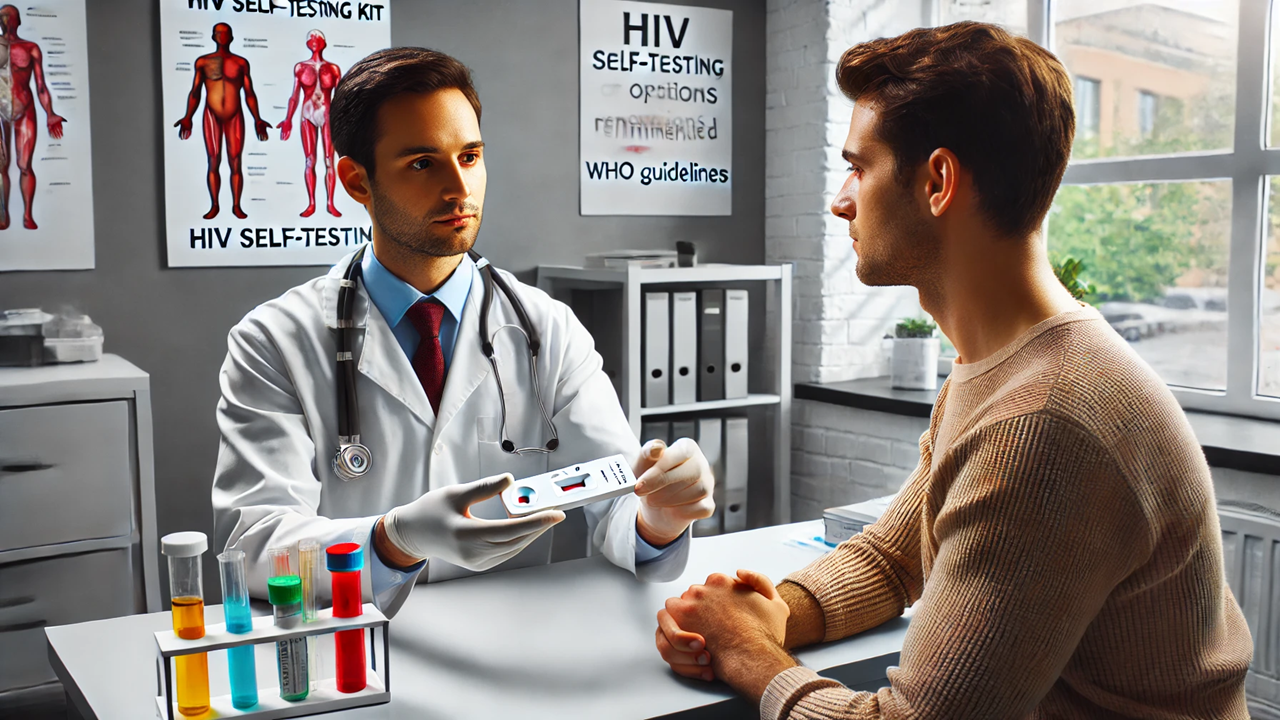
In a significant move to combat the global HIV epidemic, the World Health Organization (WHO) has released the "Consolidated Guidelines on Differentiated HIV Testing Services." These guidelines bring together updated and new strategies aimed at improving HIV testing services (HTS) across diverse settings and populations, striving to achieve the ambitious goal of ending the HIV epidemic as a public health threat by 2030.
Embracing Self-Testing and Network-Based Approaches
One of the groundbreaking recommendations in the WHO guidelines is the endorsement of HIV self-testing. This approach empowers individuals to test themselves in private, increasing access to testing for those who might not visit a healthcare facility. Self-testing is particularly emphasized as a tool for those on pre-exposure prophylaxis (PrEP), aiding in initiation, re-initiation, and ongoing use.
Additionally, the guidelines advocate for network-based testing services, where individuals can refer partners, family members, and social contacts for testing. This strategy aims to broaden the reach of HTS, ensuring that more people, especially those in high-risk networks, get tested and linked to necessary care and prevention services.
Virtual Interventions and Confidentiality
In response to the evolving digital landscape, the WHO emphasizes the importance of virtual interventions in HTS. Online platforms can facilitate the distribution of self-test kits, offer telehealth consultations, and provide counseling services. This virtual approach is not only convenient but also critical in maintaining confidentiality, which is paramount in HIV testing and counseling.
Confidentiality extends to network-based and virtual services, where ensuring the security of data and devices is crucial. By protecting personal information, the WHO aims to build trust and encourage more individuals to get tested without fear of privacy breaches.
Strategic Planning and Quality Assurance
Strategic planning is a cornerstone of the new guidelines, highlighting the need for tailored HTS approaches based on local epidemiology and population needs. Countries are encouraged to conduct situational analyses to identify gaps in existing services and prioritize high-risk populations and geographic areas.
Quality assurance is another critical aspect, with the WHO advocating for robust quality management systems. The guidelines stress the importance of the three-test strategy and retesting before antiretroviral therapy (ART) initiation to prevent misdiagnoses, which can have severe individual and public health consequences.
Reaching Priority Populations
The guidelines provide specific recommendations for various priority populations, including key populations (such as men who have sex with men, sex workers, and people who inject drugs), men, adolescents, pregnant and postpartum women, infants, children, and couples. Each group faces unique challenges and requires tailored HTS approaches to ensure they are effectively reached and linked to care.
For instance, the guidelines highlight the need to improve access to HTS for men, who often lag in testing rates. Similarly, adolescents and young people, as well as pregnant and breastfeeding women, are identified as groups that require expanded and integrated services.
The release of these comprehensive guidelines marks a significant step in the global fight against HIV. By consolidating and updating HTS strategies, the WHO aims to close the HIV testing gap, diagnose 95% of all people with HIV, and link them to treatment and care. This approach not only targets the current needs but also sets a foundation for reducing HIV infections by 90% through increased testing and linkage to prevention services for those at high risk.
- FIRST PUBLISHED IN:
- Devdiscourse
ALSO READ
-
World Leaders Push for Fairer Pandemic Protection as COVID’s Heavy Toll Drives Action
-
WHO Sets 2027 Southern Hemisphere Flu Vaccine Formula as Viruses Shape Risks
-
WHO Expands Quality Checks for Contraceptives and AI Tools That Help Spot Tuberculosis
-
WHO Brings Global Experts Together to Strengthen Herbal Medicine Quality and Safety
-
El Niño Health Alarm: Rising Heat, Floods and Hunger Put Communities on High Alert


 Google News