

Pandemic Readiness: Global Health’s Urgent Call for Equitable Access to Medical Countermeasures
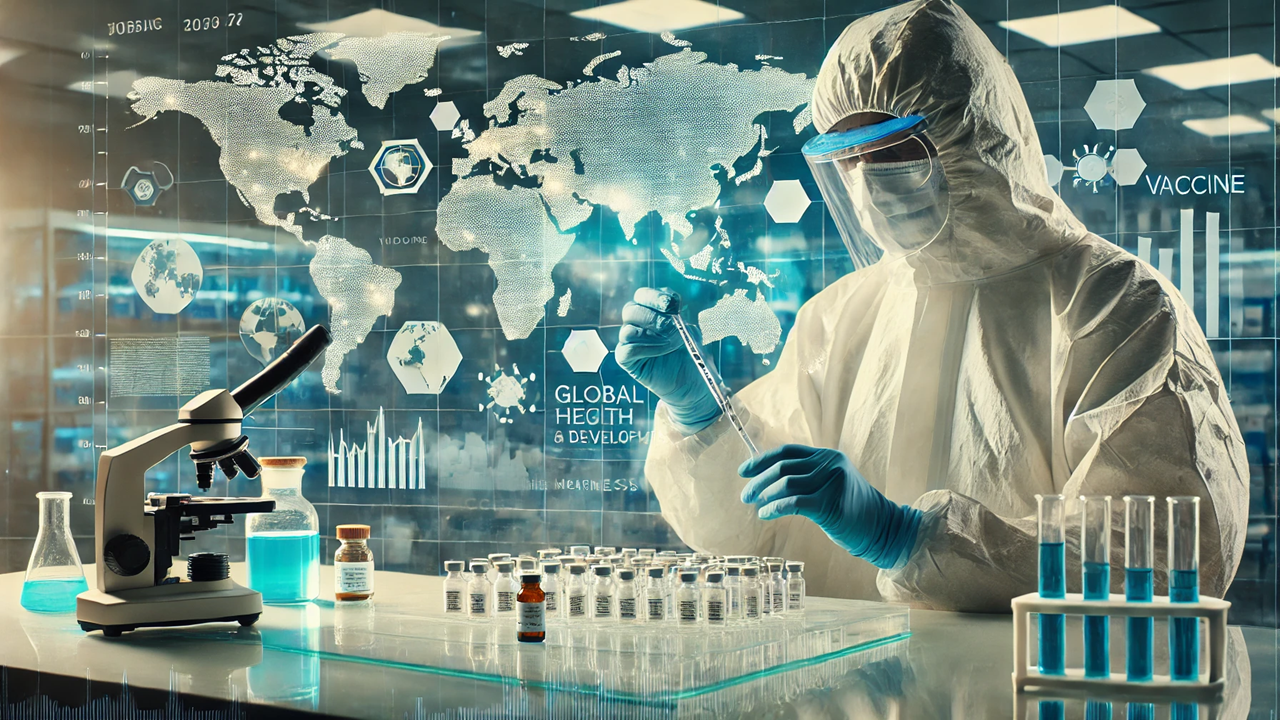
The WHO's recent report highlights the urgent need for global preparedness against future pandemics by ensuring equitable access to medical countermeasures (MCMs). The report stresses the importance of diversified manufacturing, ongoing R&D, ethical allocation, and robust financing mechanisms. It calls for global cooperation to create a resilient health security framework, ready to confront both known and unknown pandemic threats.
 CoE-EDP, VisionRI
The New Landscape of Pandemic Preparedness
As the world emerges from the shadow of COVID-19, global health experts are sounding an urgent call for action to bolster pandemic preparedness. The recent World Health Organization (WHO) report, "Defining Access to Countermeasures: Landscape Report, Executive Summary," paints a detailed picture of the current state of medical countermeasures (MCMs) and the critical steps needed to ensure global readiness for the next health emergency.
The report underscores a simple yet powerful truth: equitable access to vaccines, diagnostics, therapeutics, and other essential health products is not just a moral imperative; it is a cornerstone of effective pandemic response. However, turning this equity into reality demands more than just good intentions. It demands coordinated global efforts, sustained investments in research and development (R&D), and the expansion of manufacturing capabilities, especially in low- and middle-income countries (LMICs).
Bridging the Gaps in Global Health Security
The report highlights the establishment of the i-MCM-Net, an interim networked mechanism designed to enhance collaboration and coordination for equitable access to MCMs. This network is pivotal in ensuring that the global community can respond swiftly and effectively to future pandemic threats.
One of the critical areas identified is the need for ongoing R&D across all potential pandemic threats, including the ominous "Pathogen X," an unknown pathogen that could emerge as the next global threat. The importance of prototype pathogen research and the use of advanced technologies like artificial intelligence in vaccine development cannot be overstated. These innovations will be crucial in rapidly developing and deploying effective countermeasures when the next pandemic strikes.
The report also emphasizes the need to expand and diversify manufacturing capabilities around the world. During the COVID-19 pandemic, the world witnessed the vulnerabilities of a supply chain concentrated in a few regions. Expanding manufacturing capabilities, particularly in LMICs, will not only enhance global supply chain resilience but also ensure that no region is left behind when critical health products are needed.
A Call for Ethical Allocation and Efficient Delivery
One of the key lessons from the COVID-19 pandemic is the need for improved demand forecasting, stockpiling, and procurement practices. The WHO report calls for the development of clear, ethical, and transparent allocation frameworks for MCMs, particularly during health emergencies. These frameworks must prioritize the most vulnerable populations to ensure that life-saving interventions reach those who need them most.
The report also emphasizes the importance of strong health systems, community engagement, and equity-focused delivery mechanisms for MCMs. In many regions, the challenges of delivering these essential health products were compounded by logistical hurdles and systemic inequities. To overcome these barriers, the report advocates for continued investments in health system strengthening and workforce capacity, ensuring that the infrastructure is in place to deliver MCMs to the last mile.
Financing the Future of Pandemic Preparedness
Financing remains one of the major challenges in ensuring access to MCMs. The report identifies the need for more dedicated and flexible funding mechanisms at both national and international levels. Rapid and substantial financial resources are crucial for scaling up manufacturing, conducting R&D, and maintaining stockpiles that can be deployed at a moment's notice.
The call for action is clear: the world must not only prepare for known threats like pandemic influenza and novel coronaviruses but also be ready to confront the unknown. This readiness will require unprecedented global cooperation, with governments, international organizations, and private sector partners working in tandem to build a robust and resilient health security framework.
The Time to Act is Now
As the WHO report concludes, the time to act is now. The COVID-19 pandemic has shown us the devastating consequences of being unprepared. By investing in equitable access to medical countermeasures and strengthening global health systems, we can ensure that the world is better equipped to handle future pandemics. The question is not if another pandemic will occur, but when. And when it does, we must be ready to respond swiftly, effectively, and equitably.
- FIRST PUBLISHED IN:
- Devdiscourse
ALSO READ
-
People Are Living Longer, but WHO Figures Reveal Growing Cost of Poor Health
-
Netherlands and WHO Strengthen Health Partnership as Crises Put Care Under Pressure
-
Cholera Deaths Rise 30% as WHO Reports Highest Annual Toll in More Than Two Decades
-
World Leaders Push for Fairer Pandemic Protection as COVID’s Heavy Toll Drives Action
-
WHO Sets 2027 Southern Hemisphere Flu Vaccine Formula as Viruses Shape Risks


 Google News