

Menopausal Osteoarthritis: A Growing Concern on a Global Scale
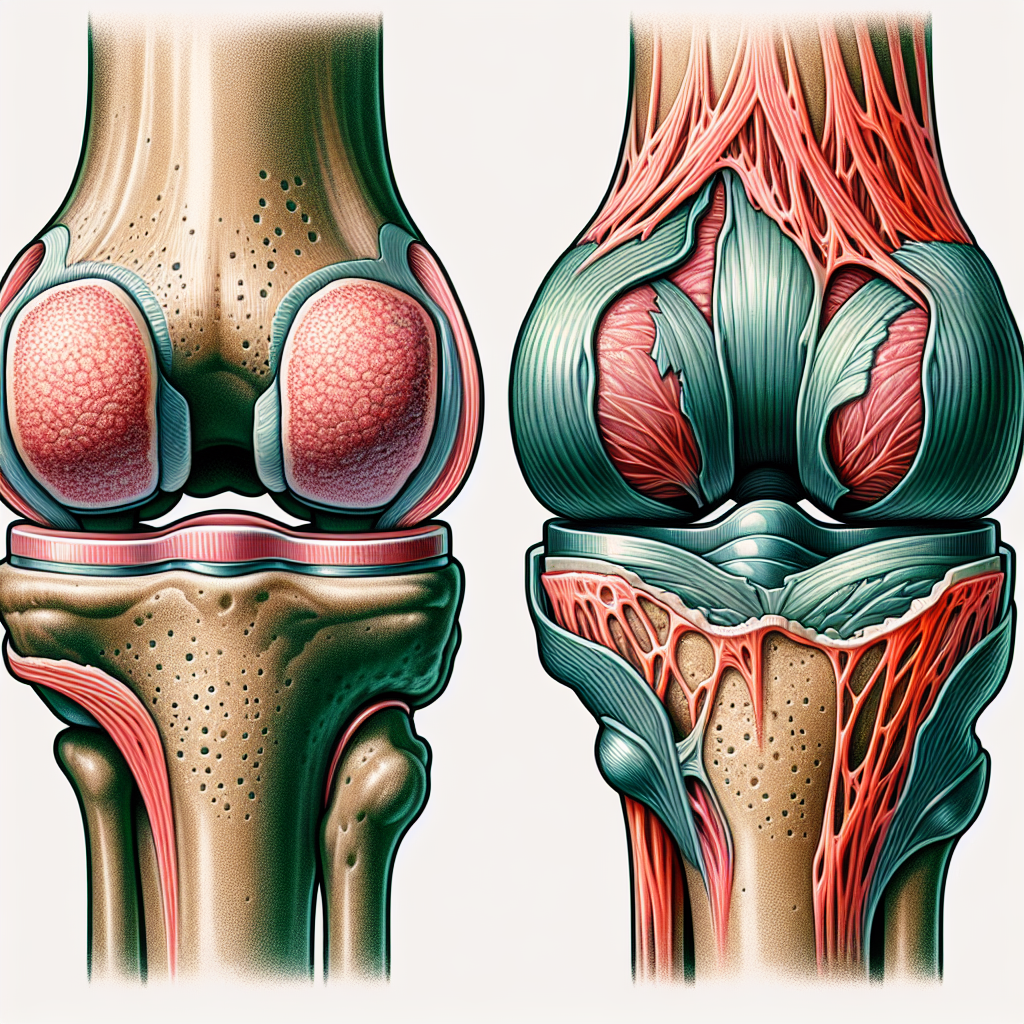
A study highlights a 130% increase in osteoarthritis among menopausal women over three decades. Factors such as excess weight and lifestyle changes contribute significantly. East and Southeast Asia see rapid growth in cases, while advanced diagnostics in high-income regions aid in detection.
- Country:
- India
A new study has revealed a staggering 130 per cent increase in cases of osteoarthritis and related disabilities among menopausal women across the globe in the past 30 years. The study, published in the British Medical Journal (BMJ) Global Health, attributes about a fifth of the disability duration to excess weight or body mass index.
Researchers, including those from Hangzhou Medical College in China, emphasize that declining oestrogen levels during menopause significantly impact skeletal health and joint stability. Knee and hand osteoarthritis pose the most substantial loss in healthy living, with osteoarthritis estimated to affect up to 600 million people globally by 2020.
The study reports East Asia and the high-income Asia Pacific as regions experiencing the fastest increase in osteoarthritis burden. Rapid population aging, increased obesity due to urbanization, and advanced healthcare diagnostics contribute to these trends. The findings stress the importance of lifestyle adjustments to manage BMI for controlling the disease's impact.


 Google News