

Africa’s vaccine safety systems under strain; experts demand urgent reforms
Despite representing 18% of the global population, Africa accounts for less than 2.5% of global clinical trials. This discrepancy means vaccines administered in African contexts are often based on safety and efficacy data gathered elsewhere, weakening region-specific risk detection. The AACVS noted that, during the Mpox outbreak, weak surveillance systems and delayed data access led to poor validation of vaccine safety profiles.
 COE-EDP
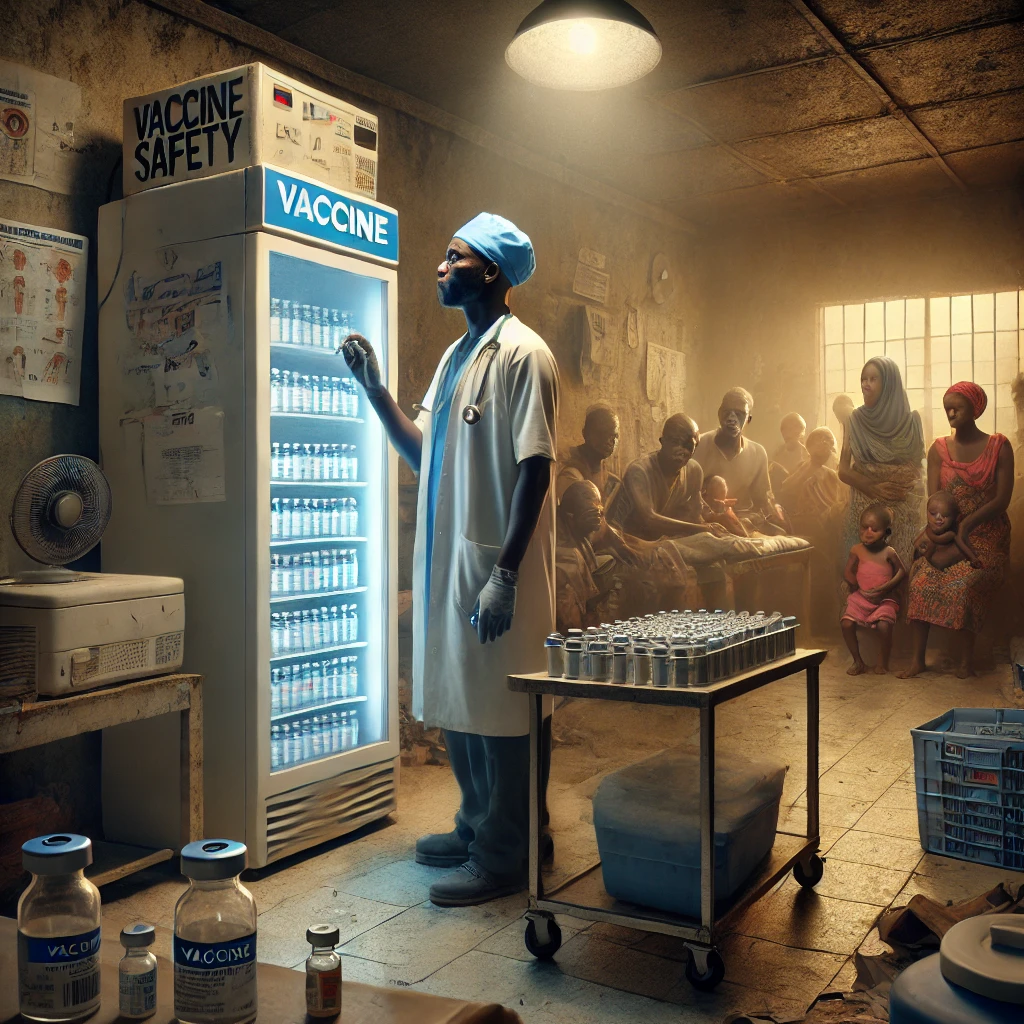
The African continent is at a pivotal juncture in vaccine deployment, facing both historic opportunities and systemic vulnerabilities. As new vaccines for malaria, meningitis, and Mpox enter the public health pipeline, glaring deficiencies in safety monitoring infrastructure threaten to undermine public confidence and immunization success. These concerns were laid bare at the 8th meeting of the African Advisory Committee on Vaccine Safety (AACVS), held virtually in April 2025 and coordinated by the World Health Organization's Regional Office for Africa.
The event, summarized in the peer-reviewed conference report titled "Strengthening Vaccine Safety Systems, Research, and Regional Collaboration in Africa: A Call to Action" and published in Vaccines (2025), outlines urgent gaps in pharmacovigilance and proposes a continent-wide roadmap for securing vaccine safety amid ongoing and future health emergencies.
Why is Africa lagging in vaccine safety monitoring?
Despite representing 18% of the global population, Africa accounts for less than 2.5% of global clinical trials. This discrepancy means vaccines administered in African contexts are often based on safety and efficacy data gathered elsewhere, weakening region-specific risk detection. The AACVS noted that, during the Mpox outbreak, weak surveillance systems and delayed data access led to poor validation of vaccine safety profiles.
The MenFive meningitis vaccine, recently introduced in parts of Africa, illustrated this concern sharply. Safety signals that emerged during rollout were not listed in the original product literature, underscoring the disconnect between initial data and real-world effects. The absence of harmonized, ready-to-implement safety protocols during new vaccine introductions further complicates effective surveillance.
Existing pharmacovigilance systems are fragmented, underfunded, and slow to detect or respond to adverse events. Reports remain reactive, rather than preventive, while safety data is inconsistently shared among manufacturers, national regulators, and immunization programs. These breakdowns result in delays in signal detection, regulatory response, and public communication - an alarming shortfall during periods of health crisis.
What structural reforms are needed to close the safety gap?
The AACVS issued a comprehensive call for structural reforms aimed at transforming Africa's vaccine safety ecosystem. First, it recommended institutionalizing sustainable pharmacovigilance funding mechanisms. Countries are urged to integrate safety surveillance into national vaccine plans and ensure that manufacturers financially contribute to post-market safety research. Current practices allow manufacturers to bypass accountability, with limited obligation to update safety profiles using African real-world data.
Second, the report stresses the need for a continent-wide safety surveillance framework. Such a model would enable rapid, real-time detection and sharing of adverse events. This includes standardized early safety study protocols and the establishment of emergency-ready monitoring infrastructure that can be deployed alongside new vaccine rollouts. Citing successful models from the European Medicines Agency and U.S. FDA, the Committee emphasized that pre-approved safety surveillance kits tailored to specific vaccines are now a public health necessity.
Further, national regulatory authorities must be empowered through technical training, digital tools, and regional cooperation platforms. The report proposes the use of artificial intelligence and machine learning to streamline adverse event prediction, monitoring, and decision-making. It also recommends enhanced interoperability between electronic health records systems to facilitate seamless and timely data flow.
Importantly, the AACVS recommends defining and enforcing legal responsibilities for vaccine manufacturers. This includes updating product inserts with African-specific safety data, ensuring liability for adverse events, and co-financing surveillance activities under the oversight of independent regulatory agencies.
How can public trust be rebuilt amid misinformation and hesitancy?
Trust remains a fragile currency in Africa's immunization efforts. The AACVS highlighted that widespread misinformation, especially on social media, is exacerbating vaccine hesitancy. Despite the proven benefits of vaccines, negative narratives, often fueled by the lack of transparent safety data, are undermining public confidence.
The Committee urges governments and public health agencies to invest in community-centered, evidence-based communication strategies that begin well before vaccine rollout. These strategies should involve healthcare workers, patient groups, and local influencers to disseminate culturally sensitive and demographically informed messages. Real-time monitoring of digital misinformation using AI-driven analytics was also recommended as a tool for proactive risk communication.
Equally important is the development of region-led vaccine research and development (R&D) pipelines. The report stresses that Africa must not remain a passive consumer of global science. Instead, it should prioritize endemic diseases like malaria and tuberculosis in its vaccine R&D agenda, while ensuring that innovations are tested and validated within the continent's unique epidemiological contexts. Strengthened collaborations across countries and institutions can facilitate this shift.
- FIRST PUBLISHED IN:
- Devdiscourse


 Google News