

SA Bolsters HIV/TB Fight with R753M Boost, Plans Early Rollout of Lenacapavir
The Minister’s address was particularly notable for the announcement of a planned rollout of lenacapavir, a biannual injectable treatment for pre-exposure prophylaxis (PrEP) against HIV.
- Country:
- South Africa
In a critical move to sustain and strengthen South Africa's fight against HIV and tuberculosis (TB), the National Treasury has allocated R753 million to the Department of Health, under Section 16 of the Public Finance Management Act (PFMA). This emergency allocation follows the significant withdrawal of health funding by the United States government, including its renowned PEPFAR (President's Emergency Plan for AIDS Relief) programme.
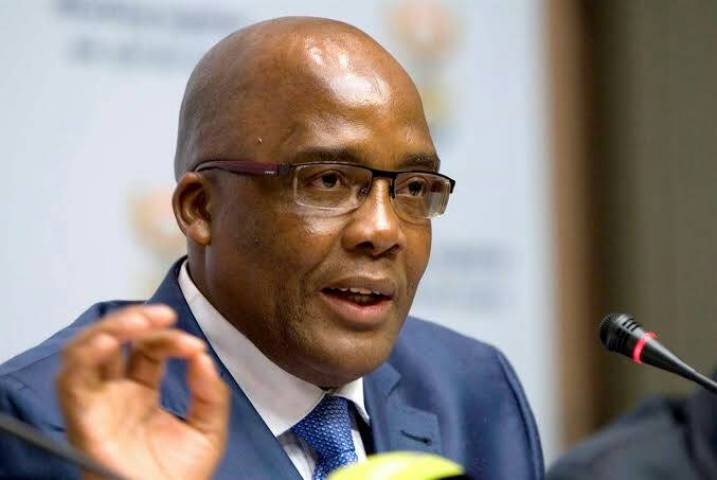
Announced by Health Minister Dr Aaron Motsoaledi during the Budget Vote presentation in Parliament, the funding is designed to bridge the immediate shortfall in national HIV and TB programmes and introduce next-generation prevention strategies such as lenacapavir, a long-acting injectable drug.
Breaking Down the Allocation: Health System Support Across Multiple Levels
Of the R753 million, a substantial R590 million will be directed toward service delivery across South Africa's provinces. This will be channeled through the HIV/AIDS component of the District Health Programme Grant, ensuring continuity in antiretroviral treatment, testing services, and prevention initiatives at the local level.
An additional R32.1 million is earmarked for the National Department of Health, specifically for strengthening the Central Chronic Medicine Dispensing and Distribution (CCMDD) Programme and bolstering pharmaceutical supply chain management.
Furthermore, R132 million will be allocated to the South African Medical Research Council (SAMRC) to advance research in HIV, TB, and public health innovation. These funds will also support the integration of new HIV prevention technologies into the healthcare system.
New Global Partnerships: R600 Million Boost for Research and Innovation
Dr Motsoaledi also announced a landmark funding collaboration involving the Bill & Melinda Gates Foundation and the Wellcome Trust, both of which have pledged R100 million each to support health research in South Africa. As a condition, each R100 million is to be matched by R200 million from the National Treasury.
Treasury has agreed, resulting in a total research fund of R600 million, which will be managed by the SAMRC. The first tranche of R132 million has already been committed, with the remainder to be distributed over the next three years.
This funding is intended to support innovative, evidence-based responses to the evolving HIV epidemic and enhance South Africa's scientific leadership in infectious disease research. Discussions are already underway among researchers and university institutions to determine how the funds will be utilized.
Addressing the Fallout from PEPFAR Withdrawal
The emergency funding follows the withdrawal of an estimated R7.9 billion in annual funding by the U.S. for South Africa's HIV programmes, including through PEPFAR, a programme established by former U.S. President George W. Bush in 2003. The move posed a serious threat to the sustainability of HIV prevention and treatment programmes in the country.
Dr Motsoaledi framed the R753 million Treasury allocation as a strategic intervention to "prevent the collapse of critical services," asserting that the government is "more determined than ever to end the scourge of HIV/AIDS as a public health threat."
Lenacapavir: A Game-Changer in HIV Prevention
The Minister's address was particularly notable for the announcement of a planned rollout of lenacapavir, a biannual injectable treatment for pre-exposure prophylaxis (PrEP) against HIV. He lauded it as the "most significant advancement in HIV prevention in decades."
Developed by Gilead Sciences, lenacapavir offers six-month protection against HIV with just two injections a year—addressing adherence challenges linked to daily oral PrEP regimens. The Global Fund has now signed an access agreement with Gilead to procure the drug for eligible countries.
Dr Motsoaledi confirmed South Africa's intention to be among the first African nations to receive the drug:
"We have already begun our planning, and we aim to offer lenacapavir to young women and all high-risk populations who wish to remain HIV-free."
He emphasized that this rollout could be transformational for women and girls, who have long borne the brunt of South Africa's HIV epidemic.
Timeline and Implementation Strategy
The first shipment of lenacapavir is expected to reach an African country by end of 2025, and the Department of Health is working to ensure South Africa is ready. Preparations include:
-
Mapping out target populations, especially young women
-
Developing clinical protocols and training modules
-
Ensuring pharmaceutical readiness via the CCMDD programme
-
Collaborating with research institutions to monitor real-world effectiveness
South Africa's Renewed Commitment to Ending HIV/AIDS
Despite global funding disruptions, the South African government remains steadfast in its HIV response, with new partnerships, domestic funding mechanisms, and scientific innovation forming the pillars of its strategy.
This latest allocation not only addresses immediate gaps but also signals a long-term national commitment to sustainable health financing, local ownership of HIV/TB programmes, and a future free from HIV/AIDS.
"Today is a historic day," the Minister said. "We are taking a bold step forward—backed by innovation, partnership, and purpose—to safeguard the health of our people and our nation's future."


 Google News