

Senegal Eliminates Trachoma: A Major Milestone in Africa’s Public Health Journey
Trachoma, a bacterial eye infection that can lead to blindness if untreated, has plagued Senegalese communities for over a century.
- Country:
- Senegal
Senegal has been officially validated by the World Health Organization (WHO) as having eliminated trachoma as a public health problem. This achievement marks a historic milestone not just for Senegal but for the global fight against neglected tropical diseases (NTDs). With this validation, Senegal becomes the ninth country in WHO's African Region to reach this landmark and the 25th globally.
A Victory Against a Century-Old Burden
Trachoma, a bacterial eye infection that can lead to blindness if untreated, has plagued Senegalese communities for over a century. Historical evidence shows its presence since the early 1900s, with surveys in the 1980s and 1990s confirming it as a leading cause of blindness in the country.
Senegal formally joined the WHO Alliance for the Global Elimination of Trachoma in 1998. A rigorous mapping process began with the first national survey in 2000, culminating in 2017 with complete disease mapping supported by the Global Trachoma Mapping Project and Tropical Data. These efforts enabled targeted intervention and strategic planning under Senegal's National Program for Blindness Prevention (PNLC) and later, the National Program for the Promotion of Eye Health (PNPSO).
SAFE Strategy: A Proven Model for Elimination
Senegal's success in eliminating trachoma is attributed to the effective implementation of WHO's SAFE strategy — an integrated approach consisting of:
-
Surgery to treat trichiasis (the late stage of trachoma leading to blindness),
-
Antibiotics (notably azithromycin, donated by Pfizer through the International Trachoma Initiative),
-
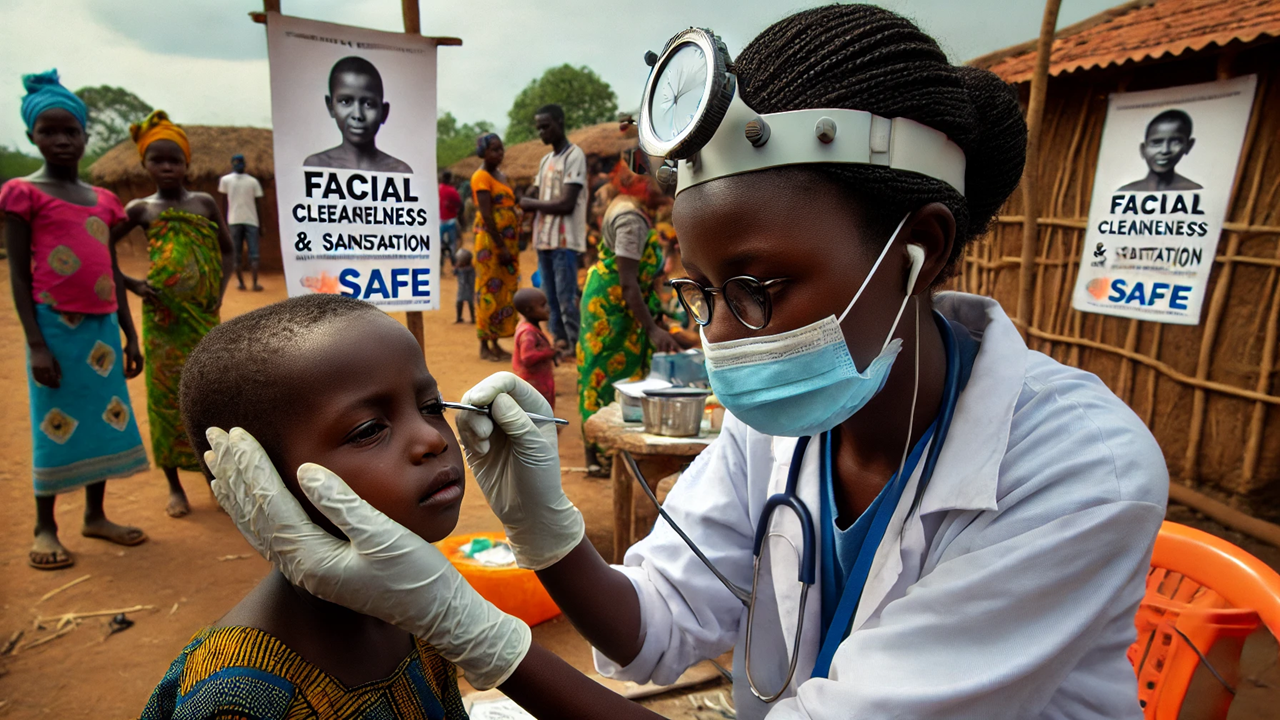
Facial cleanliness promotion through public awareness efforts,
-
Environmental improvements, particularly access to clean water and sanitation.
This approach reached 2.8 million people across 24 health districts, drastically reducing trachoma prevalence in endemic communities.
A Continuum of Public Health Success
Senegal's trachoma elimination is its second success story against a neglected tropical disease. In 2004, it was certified free of dracunculiasis (Guinea-worm disease). These achievements reflect sustained national commitment and effective partnerships with global health stakeholders.
Health Minister Dr. Ibrahima Sy hailed the elimination as a "victory," noting that it comes 21 years after the country's success with Guinea-worm disease. "This milestone reminds us that our overarching goal remains a Senegal free from neglected tropical diseases," he stated, while also highlighting the country's ongoing progress against onchocerciasis and sleeping sickness (human African trypanosomiasis).
WHO and Global Recognition
WHO Director-General Dr. Tedros Adhanom Ghebreyesus commended Senegal's achievement, calling it "yet another sign of the remarkable progress being made against neglected tropical diseases globally."
Dr. Jean-Marie Vianny Yameogo, WHO Representative in Senegal, emphasized the historical significance:
"Trachoma has cast a shadow over communities in Senegal for more than a century. Today, we close a chapter that began over 100 years ago — united with pride, gratitude and resolve."
WHO will continue to support Senegal in monitoring communities previously affected by trachoma to ensure the disease does not return.
Global Context: Trachoma in the African Region
Despite Senegal's progress, trachoma remains endemic in 32 countries, affecting approximately 103 million people worldwide. The burden is heaviest in the WHO African Region, which accounts for 90% of global cases as of April 2024, with 93 million people still living in at-risk areas — a significant decline from 189 million in 2014.
Countries still requiring WHO-validated intervention in Africa include:
-
Algeria, Angola, Burkina Faso, Cameroon, Central African Republic, Chad, Côte d'Ivoire, DRC, Eritrea, Ethiopia, Guinea, Kenya, Mozambique, Niger, Nigeria, South Sudan, Tanzania, Uganda, Zambia, and Zimbabwe.
Additionally, Botswana, Guinea-Bissau, and Namibia claim to have reached elimination thresholds, pending WHO verification.
Looking Ahead: A Model for NTD Elimination
Senegal's elimination of trachoma is a clear signal of what is possible through political will, international collaboration, and community engagement. It sets a benchmark for the remaining countries in Africa and beyond still battling trachoma and other neglected tropical diseases.
With sustained efforts, continued surveillance, and global solidarity, the vision of a trachoma-free world — and ultimately, a world free from NTDs — becomes increasingly attainable.
ALSO READ
-
People Are Living Longer, but WHO Figures Reveal Growing Cost of Poor Health
-
Netherlands and WHO Strengthen Health Partnership as Crises Put Care Under Pressure
-
Longer Lives, Unequal Care: UN Report Exposes Gaps in Support for Older People Globally
-
Kazakhstan Connects Over 200 Health Workers With Global Clinical Research Experts
-
Higher Tobacco Taxes Cut Smoking and Show How Health Levies Can Change Daily Lives


 Google News