

AfDB Approves $46M for Sokoto Health Project to Transform Nigeria’s Healthcare
Beyond healthcare, the project is expected to generate approximately 2,500 direct and indirect jobs, contributing to economic recovery and community empowerment.
- Country:
- Nigeria
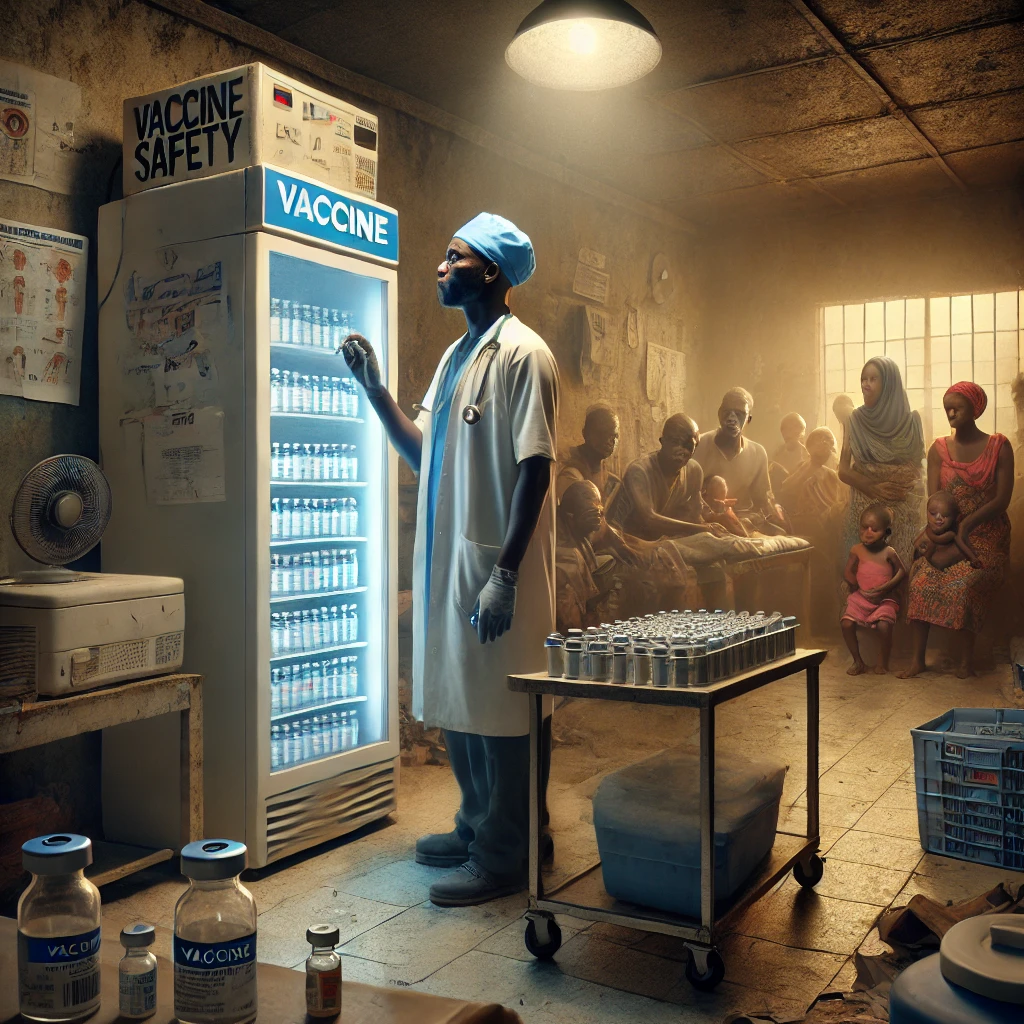
In a decisive move to overhaul Nigeria's fragile healthcare system and bring quality medical care to underserved populations, the African Development Bank Group (AfDB) has approved a $46 million loan to support the Sokoto State Health Infrastructure Project. The initiative is a major investment in health equity, human development, and climate-resilient infrastructure in northwestern Nigeria, one of the country's most health-challenged regions.
With this funding, the Bank aims to boost healthcare access, improve maternal and child health outcomes, and significantly expand medical training and pharmaceutical logistics in Sokoto—a state where health indicators have long lagged behind national benchmarks.
A State in Urgent Need of Health Reform
The urgency of intervention in Sokoto State is underscored by stark data:
-
Only 1 in 20 children in the state is fully immunized.
-
Infant mortality is at a shocking 104 per 1,000 live births, nearly double Nigeria's national average of 63.
-
Only 14% of health facilities have functional infrastructure.
-
There is just 1 doctor per 8,285 people, far below the WHO's recommended ratio of 1:1,000.
These figures reflect not only the dire condition of the health system but also the long-term consequences of infrastructure neglect, human resource shortages, and underinvestment in public health.
A Transformative Vision: Hospitals, Clinics, and Medical Training
The AfDB's investment will finance the delivery of climate-smart, resilient healthcare infrastructure across all three levels of medical care:
-
Tertiary Level: Construction and equipping of a 1,000-bed teaching hospital to serve as the flagship institution for clinical care, training, and research.
-
Secondary Level: Development of three zonal hospitals with a combined 450-bed capacity, providing advanced referral care across multiple districts.
-
Primary Level: Establishment of six strategically located primary healthcare centers to increase rural access and reduce the disease burden at the community level.
The project also includes:
-
Rehabilitation of health training institutions, including nursing and midwifery schools.
-
Creation of 700 additional training slots annually to expand the regional healthcare workforce.
-
Establishment of a modern medical warehouse to improve pharmaceutical storage, supply chain efficiency, and inventory management.
-
Integration of renewable energy systems and electronic health platforms for energy-efficient, data-driven service delivery.
"This investment illustrates our commitment to continue working with the Government to fill critical infrastructure gaps in Nigeria's health system while building resilient, climate-adapted healthcare facilities," said Abdul Kamara, AfDB's Director General for Nigeria. "We are building hope and creating pathways to better health outcomes for millions of Nigerians."
Economic Impact: Jobs and Inclusion at the Core
Beyond healthcare, the project is expected to generate approximately 2,500 direct and indirect jobs, contributing to economic recovery and community empowerment. In line with AfDB's gender and youth inclusion priorities:
-
60% of new jobs will target youth.
-
30% of employment opportunities will be reserved for women.
This labor-intensive approach ensures that the health sector serves as a driver for inclusive growth in Sokoto, particularly important in a region where unemployment and gender disparities remain high.
Policy Alignment and Strategic Partnerships
The project aligns with Nigeria's National Development Plan (2021–2025) and the Federal Government's Health Sector Renewal Investment Initiative, both of which prioritize healthcare access, decentralization, and system modernization.
It also builds upon AfDB's growing portfolio in the health sector, where the institution has already financed four major health infrastructure projects worth $117.68 million across Nigeria. The Sokoto project is designed to leverage ongoing collaborations with development partners including:
-
United Nations Children's Fund (UNICEF)
-
World Health Organization (WHO)
-
United States Agency for International Development (USAID)
-
Federal and State Ministries of Health
These partnerships will enable coordinated programming and technical support to ensure the sustainability, effectiveness, and scalability of the intervention.
Sustainability at the Core of Healthcare Delivery
The project incorporates several climate-resilient features, such as:
-
Use of renewable energy technologies (e.g., solar power) to reduce carbon emissions and improve off-grid service delivery.
-
Deployment of electronic health record (EHR) systems for more efficient data management and patient care.
-
Infrastructure designs that emphasize green construction practices, energy efficiency, and sustainability.
This dual focus on climate adaptation and digital health is part of a broader effort to future-proof health systems across the continent in the face of climate change, population growth, and rising healthcare demands.
A Model for State-Level Healthcare Transformation
The Sokoto State Health Infrastructure Project represents a model for regional health system reform, especially in fragile or underserved areas. By combining infrastructure, workforce training, health system governance, and innovation, the project offers a comprehensive blueprint for improving health outcomes in low-resource settings.
As AfDB continues to champion "High 5" development priorities, including "Improve the Quality of Life for the People of Africa," this investment illustrates the Bank's ongoing dedication to health equity, resilience, and inclusive prosperity.
ALSO READ
-
African Development Bank Steps Up Push to Deliver Roads, Airport and Services in CAR
-
DRC Pushes Electricity Reforms to Protect Household Budgets and Unlock Power Investment
-
AfDB and Germany Join Forces to Connect Africa Through Better Rail
-
Morocco Secures €270 Million for Airport Upgrades as Passenger Demand Keeps Growing
-
AfDB Shifts Focus in CAR From Funding Projects to Fixing Delivery Bottlenecks


 Google News