

The Surge of Caesarean Deliveries in South Asia: A Call for Regulatory Reform
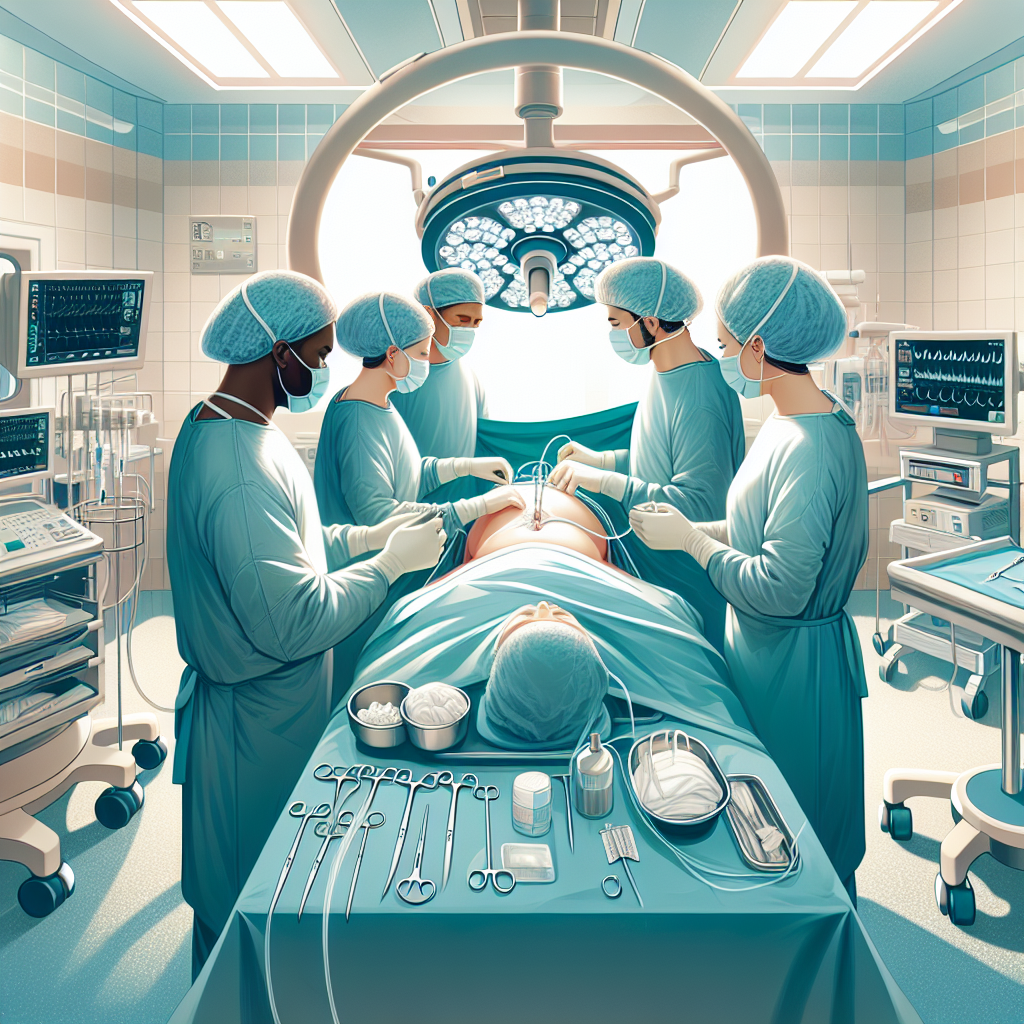
The increase in caesarean deliveries in South Asia, notably in India, surpasses WHO recommendations, prompting researchers to urge regulatory actions in the private healthcare sector. Financial strain on families and unnecessary medical risks are highlighted, emphasizing the need for policy changes to ensure procedures are medically justified.
- Country:
- India
The rate of caesarean deliveries in India has escalated alarmingly, jumping from 8.5% in 2005 to 21.5% in 2021, well above the World Health Organization's recommended thresholds. This uptick has spurred researchers to urge governmental policy interventions, particularly tighter regulation of private healthcare practices.
Mothers opting for a C-section face higher healthcare costs and prolonged hospital stays. Babies delivered via C-section are at greater risk for conditions like asthma and diabetes. Despite being crucial for certain medical conditions, the rise in unnecessary caesarean deliveries points to systemic issues in healthcare practices.
Researchers stress the importance of policy reforms, including enhancing regulatory oversight and antenatal counselling, to make sure caesarean deliveries are performed based on medical necessity, not socio-economic or institutional pressures. This call includes addressing financial incentivization and insufficient insurance coverage that push C-section rates upward.


 Google News