

Mashatile: SA Seeks New Funding and Community-Led Action to Fight HIV/Aids
The announcement comes amid international donor cuts, particularly from the United States, which has long been a leading supporter of HIV programmes in South Africa.
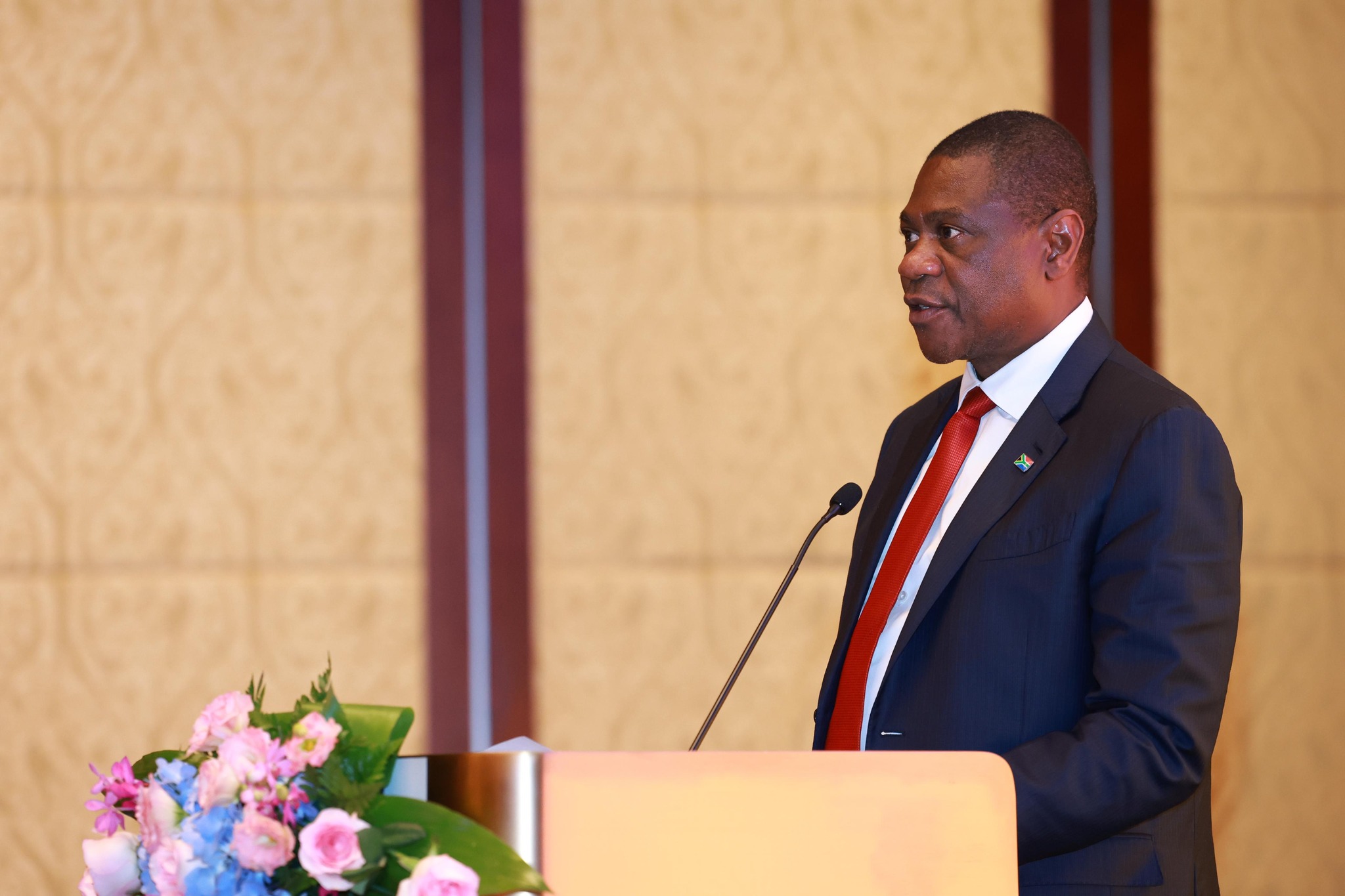
- Country:
- South Africa
Deputy President Paul Mashatile has announced that South Africa is intensifying efforts to secure domestic funding and launch national campaigns to safeguard its progress in the fight against HIV/Aids. The announcement comes amid international donor cuts, particularly from the United States, which has long been a leading supporter of HIV programmes in South Africa.
Responding to U.S. Funding Cuts
Speaking at the 12th South African AIDS Conference at Emperor's Palace in Kempton Park, Mashatile acknowledged the potential impact of U.S. President Donald Trump's administration's decision to reduce foreign aid, including funding through the President's Emergency Plan for AIDS Relief (PEPFAR).
PEPFAR funding has historically played a critical role in supporting local nonprofits and provincial health departments with testing, treatment, and community outreach. Its cuts have raised concern about the sustainability of South Africa's HIV response, given that the country carries the world's highest HIV burden.
"Let me reiterate that as government, we acknowledge the impact of US funding cuts on our response; even so, the government is diligently working to preserve our achievements in the fight against HIV/Aids. While these accomplishments may be momentarily jeopardised, we will prevail," Mashatile said.
Exploring Partnerships Beyond Aid
Mashatile, who also serves as Chairperson of the South African National AIDS Council (SANAC), highlighted that government is seeking to cushion the blow of donor reductions by mobilising domestic resources and forging partnerships with BRICS nations as well as the private sector.
BRICS, a bloc of major emerging economies including Brazil, China, Russia, India, South Africa and new members such as Egypt, Ethiopia, Indonesia, Iran, and the UAE, presents opportunities for collaborative investment in health infrastructure and research.
According to Mashatile, diversifying sources of support will ensure South Africa sustains its HIV programmes and avoids dependency on a single donor.
Community-Centred Approach to HIV Response
The conference, held under the theme "Unite for Change – Empower Communities and Redefine Priorities for HIV/AIDS", brought together researchers, advocates, and policymakers from across Africa and beyond.
Mashatile stressed that empowering communities must be central to the next phase of South Africa's HIV response. "To empower communities and redefine priorities for HIV/Aids, our strategies must prioritise giving power and resources to those who are most affected. This means moving away from a top-down, clinic-centred approach and towards one that is community-owned and driven," he explained.
This approach aligns with the National Strategic Plan for HIV, TB, and STIs (NSP 2023–2028), which calls for universal access to healthcare, community-driven solutions, and sustained destigmatisation campaigns.
Progress and Challenges on UNAIDS Targets
South Africa has made substantial progress towards meeting the UNAIDS 95-95-95 targets for 2030, which aim for 95% of people living with HIV to know their status, 95% of those diagnosed to be on treatment, and 95% of those on treatment to achieve viral suppression.
Currently, the country stands at 96-78-97 — surpassing the first and third goals but falling short on ensuring that those who test positive remain on treatment. This gap remains the most pressing challenge in the fight against HIV.
Health Minister Aaron Motsoaledi has launched a campaign to locate 1.1 million people who are HIV-positive but not receiving treatment. Running parallel to the End TB Campaign, the initiative aims to test five million people between 2025 and 2026.
The Burden of HIV and TB
South Africa remains the country most affected by both HIV and tuberculosis (TB) globally. Young women and adolescent girls between the ages of 15 and 24 continue to account for the highest number of new infections each week, highlighting the urgent need for targeted prevention and empowerment programmes.
Mashatile acknowledged these challenges but expressed confidence in the country's resilience and proven track record. "We are a resilient country with a brilliant track record in HIV management. Together, we can shape a future where HIV/AIDS is no longer a threat, but a distant memory of our collective strength and determination," he said.
A Call for Unity
The Deputy President concluded by urging all stakeholders — from government and civil society to researchers and community leaders — to strengthen collaboration and ensure the fight against HIV remains a national and continental priority.


 Google News