

Polio Eradication Remains Feasible Amidst Funding Challenges, Say Health Officials
Despite facing significant funding cuts, global health officials remain optimistic about eradicating polio. The Global Polio Eradication Initiative plans to focus on high-risk areas and collaborate with other health programs to combat the virus effectively. Although some activities will cease, the commitment to eradicating polio endures.
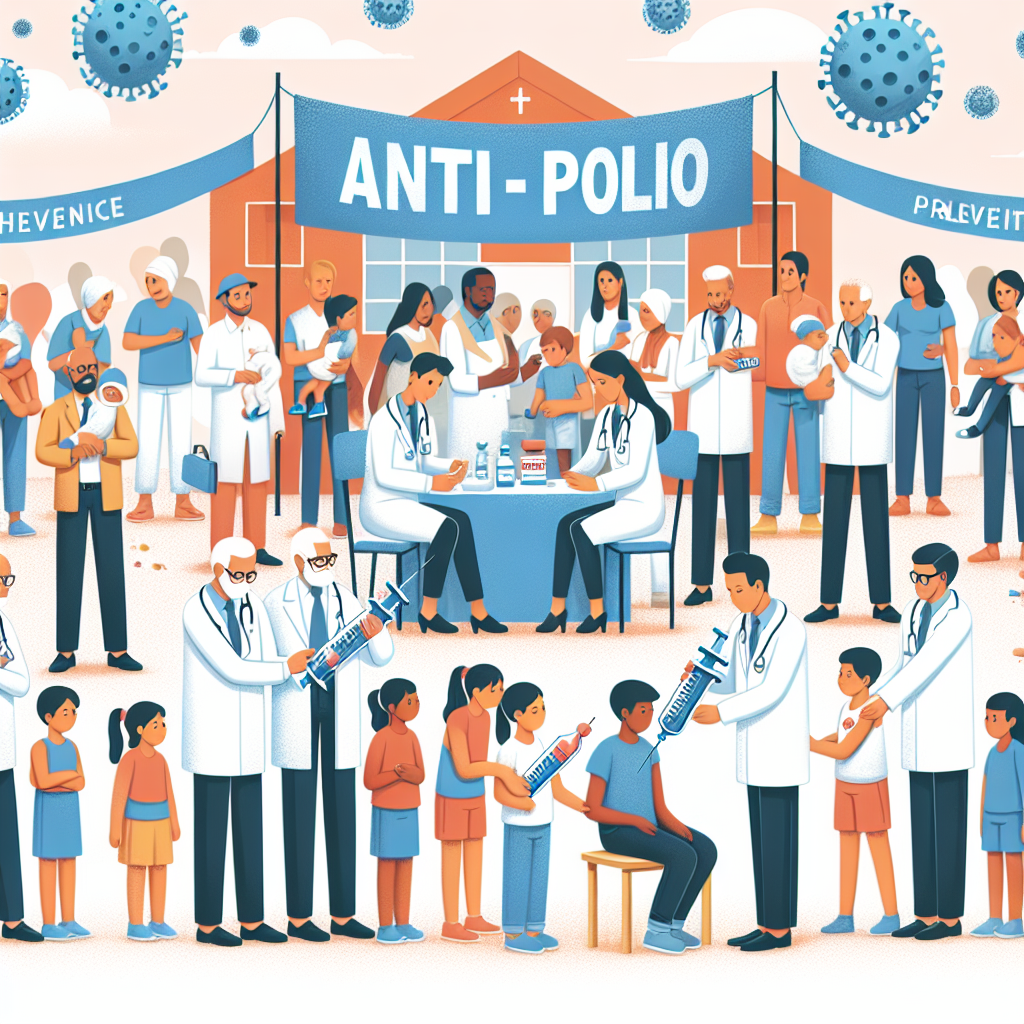
Global health officials remain steadfast in their goal to eradicate polio, even as significant funding cuts loom. The Global Polio Eradication Initiative, a partnership with entities like the World Health Organization and the Gates Foundation, faces a 30% budget cut in 2026 and a $1.7 billion funding gap until 2029.
Driven by a decrease in foreign aid from the United States and other wealthy donor governments, the initiative plans to sharpen its focus on surveillance and vaccination in regions with high transmission risk. Collaborative efforts with other health programs, such as measles campaigns, and strategies like fractional dosing are poised to stretch resources effectively.
Nevertheless, some activities will be halted, especially in lower-risk areas, unless outbreaks occur. Despite the challenges, WHO's Jamal Ahmed emphasizes that eradication is within reach if global commitment remains strong, ensuring no child is left unvaccinated. As of 2025, polio cases have dropped, with continued efforts in endemic regions like Afghanistan and Pakistan being crucial.


 Google News