

New Rules Ease Corneal Transplants to Boost Eye Donations Nationwide
Clinical Specular Microscopy, while beneficial in assessing the quality of donor corneal tissue, has often posed a financial and logistical challenge for smaller eye hospitals and community health centres.
- Country:
- India
In a major move aimed at enhancing equitable access to organ and tissue transplant services, the Ministry of Health and Family Welfare has formally notified the Transplantation of Human Organs and Tissues (Amendment) Rules, 2025. This amendment to the Transplantation of Human Organs and Tissues Act, 1994, is a critical reform under the National Organ Transplant Programme (NOTP) and focuses on widening the reach of corneal transplantation services across India.
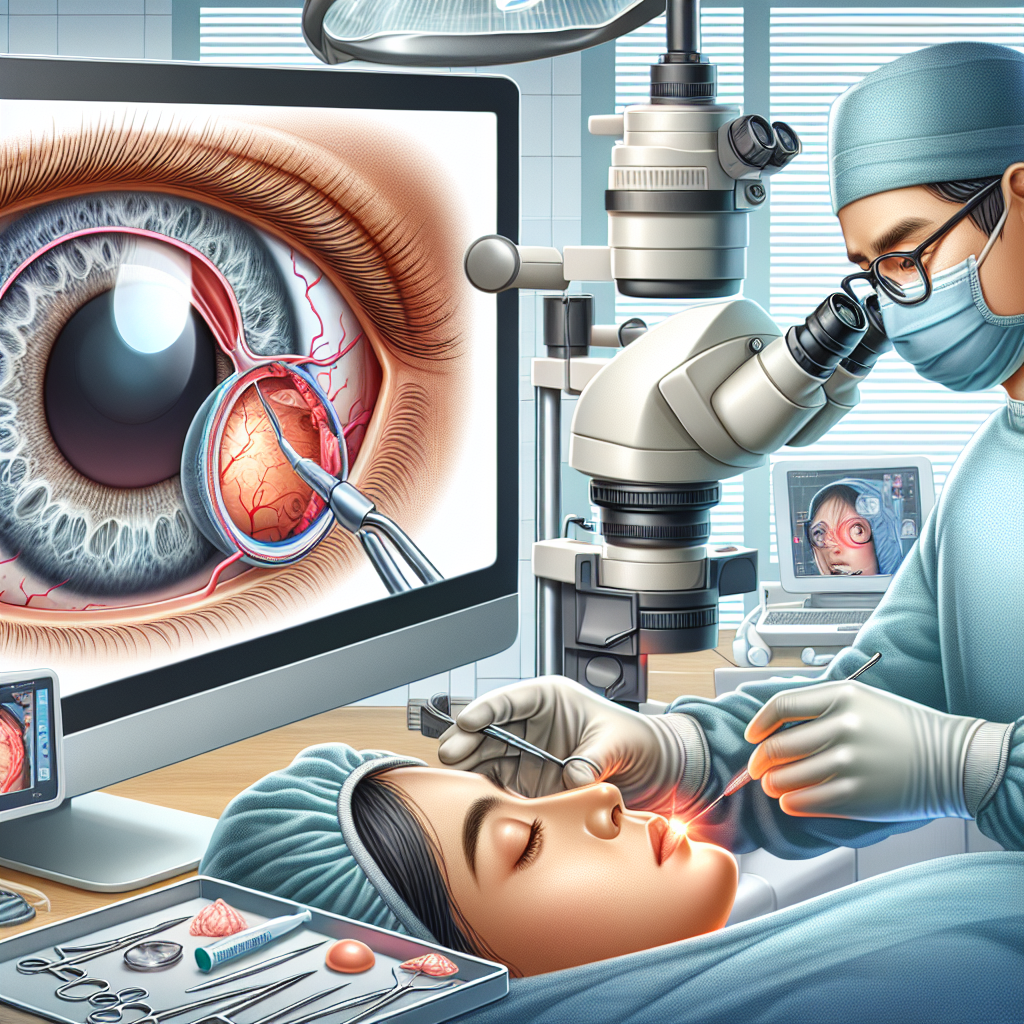
The most notable provision of the amendment is the removal of the mandatory requirement for Clinical Specular Microscopy equipment in corneal transplant centres—a change hailed as a game-changer for expanding eye donation and transplantation capabilities, especially in rural and semi-urban areas.
Removing Barriers to Accessibility in Eye Care
Clinical Specular Microscopy, while beneficial in assessing the quality of donor corneal tissue, has often posed a financial and logistical challenge for smaller eye hospitals and community health centres. The mandatory requirement of this expensive and specialized equipment had limited the number of accredited corneal transplant centres, particularly in under-resourced regions.
The newly notified rules are the result of extensive stakeholder consultations and expert recommendations. By removing this obligation, the government aims to make corneal transplant services more accessible and affordable, thus addressing a critical gap in India's eye care ecosystem.
"This progressive amendment reflects the government's commitment to expanding universal access to organ and tissue transplantation services, particularly for vulnerable populations," a senior Health Ministry official said.
Aligning with the Vision of Universal Health Equity
The amendment is in line with the Government of India's broader healthcare strategy—to provide inclusive, equitable, and quality health services to every citizen, irrespective of geography or socio-economic status. Under the umbrella of Ayushman Bharat and Universal Health Coverage goals, the revised rules are expected to revitalize the infrastructure for eye banking and corneal transplantation at the grassroots level.
By simplifying infrastructural norms, the amendment:
-
Encourages more eye banks and hospitals to register as corneal transplantation centres
-
Removes a significant cost barrier for new entrants into the eye care service sector
-
Promotes local access to advanced eye treatment, especially in rural belts
-
Enables timely use of donated corneas, reducing wastage due to logistic delays
Strengthening the National Organ Transplant Programme (NOTP)
The National Organ Transplant Programme, implemented by the Directorate General of Health Services under the Ministry of Health and Family Welfare, plays a pivotal role in promoting cadaveric organ and tissue donation, creating awareness, and standardizing transplantation services across the country.
The current amendment is expected to further strengthen the cornea-specific component of NOTP, which had been facing challenges such as:
-
Uneven geographical distribution of eye banks
-
Poor integration of eye donation services in smaller hospitals
-
Underutilization of donated corneas due to infrastructural deficits
-
Inadequate public awareness and access in Tier-II and Tier-III cities
By expanding the pool of eligible transplant centres, this reform is poised to enhance corneal utilization rates, thereby reducing the burden of preventable blindness in India.
Eye Donation in India: A Snapshot
India has one of the largest populations of visually impaired individuals, with an estimated 1.2 million people suffering from corneal blindness, including young children and working-age adults. Every year, thousands of patients are added to corneal transplant waitlists, but due to shortages in usable corneas and limited certified transplant centres, the demand often exceeds the supply.
As of 2024:
-
India collects approximately 60,000 to 70,000 corneas annually
-
Only 25,000–30,000 corneas are suitable and used for transplantation
-
The cornea utilization rate remains suboptimal at ~40–45%
With the 2025 rule amendment, the Ministry expects to improve collection, screening, and surgical output, thereby reducing the national backlog of corneal blindness cases.
Eye Care Experts Welcome the Move
Ophthalmologists and public health experts have welcomed the notification as a timely, rational, and evidence-based reform. Dr. Seema Rawat, a corneal surgeon at a Delhi-based public hospital, said:
"Clinical specular microscopy is valuable but not always essential. Its cost and maintenance have long excluded many hospitals from participating in corneal transplantation. This rule change will democratize access."
Others pointed out that manual and slit-lamp-based evaluation, already in use in many facilities, can offer sufficient assessment for safe transplantation, especially when handled by trained professionals.
Looking Ahead: Toward Eliminating Corneal Blindness
The Ministry plans to complement this amendment with a renewed focus on training, awareness campaigns, and capacity-building initiatives to ensure that more institutions and healthcare professionals can now participate in the cornea donation and transplantation ecosystem.
As India continues to push for eliminating avoidable blindness, this change in policy underscores the importance of flexibility, decentralization, and grassroots empowerment in delivering impactful healthcare.
With this amendment, the government has taken another step toward achieving the National Health Policy 2030 goals and realizing the vision of Netra Jyoti (Vision for All).


 Google News