

Wild Polio Virus Reemerges in Germany: A Public Health Concern
The detection of the wild polio virus in Germany's wastewater marks a setback in global efforts to eradicate the disease. No infections have been reported, and the risk remains low due to high vaccination coverage. Polio exists in two forms, with the wild type rarer and previously only found in Afghanistan and Pakistan.
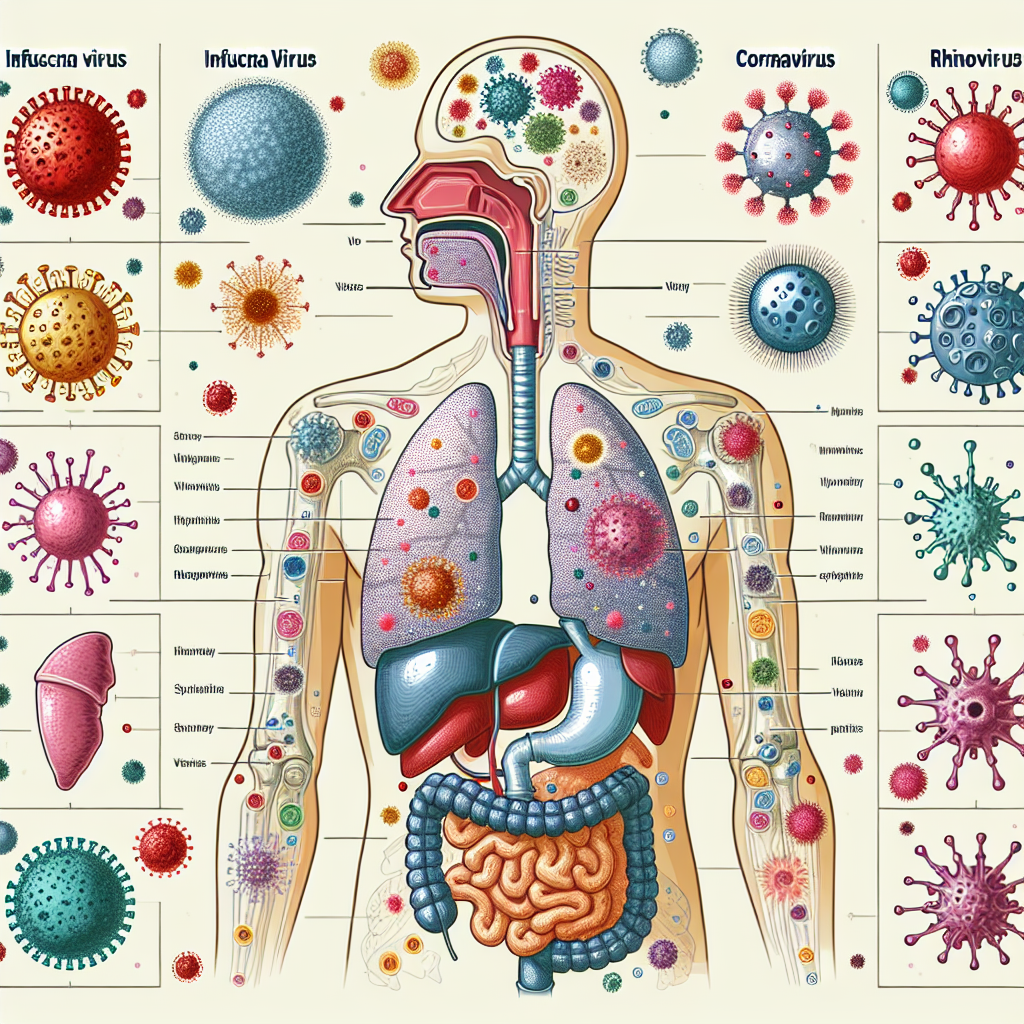
The resurgence of the wild polio virus in Germany, detected through routine wastewater sampling, poses a setback in the battle to eliminate the disease globally. While the virus has not caused any infections in the population, its presence in environmental samples is a cause for concern.
The Robert Koch Institute, Germany's primary public health body, reported the detection of wild poliovirus type 1 in a sewage sample. Despite the findings, the risk to the general population is stated to be 'very low' due to comprehensive vaccination coverage in the country.
Globally, two forms of polio circulate: the wild variety, now isolated to Afghanistan and Pakistan, and a vaccine-derived form that results from rare cases of mutated viruses from immunization. Testing of wastewater remains a key tool for tracking the virus's spread, with Germany having previously reported vaccine-derived polio traces.


 Google News