

WHO Issues First Global Guidelines on Managing Diabetes During Pregnancy
Diabetes during pregnancy—whether pre-existing (type 1 or type 2) or gestational diabetes—can pose immediate and long-term risks.
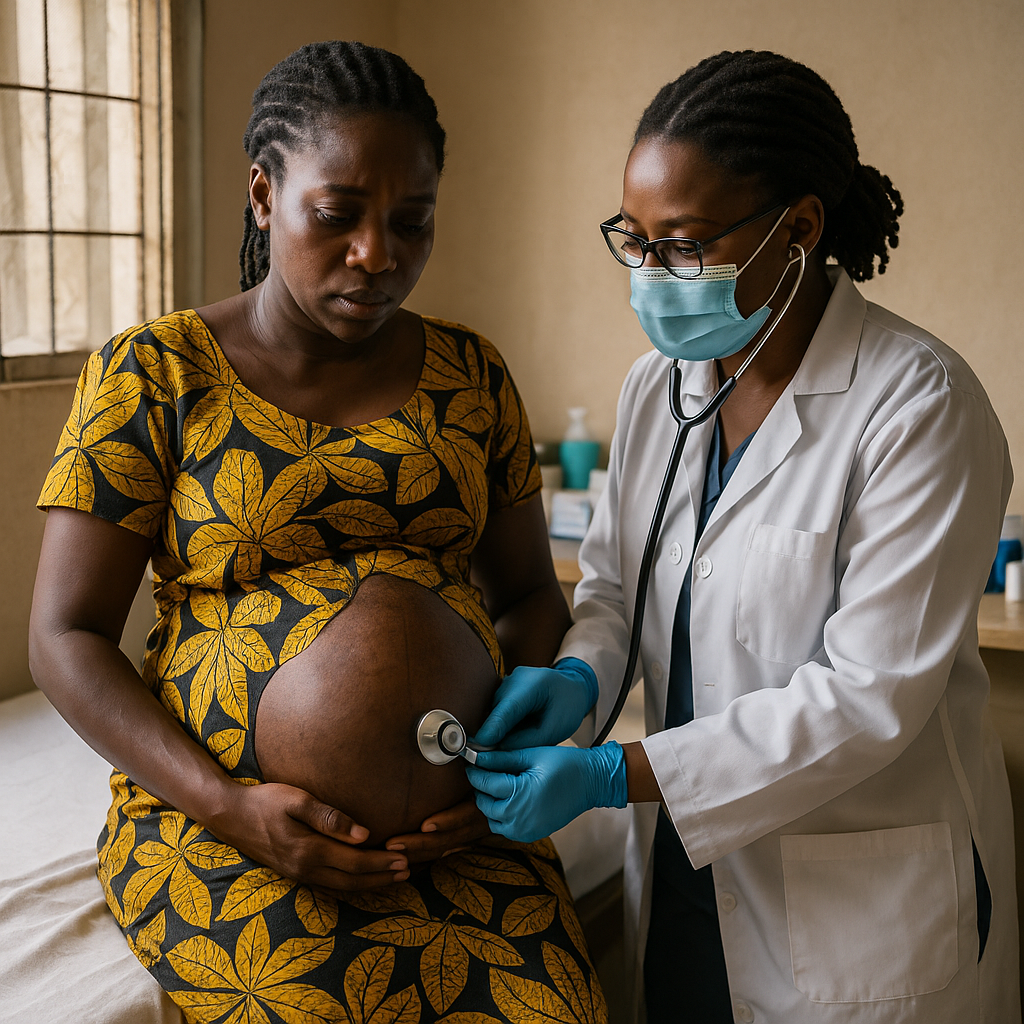
The World Health Organization (WHO) has released its first-ever global guidelines for the management of diabetes during pregnancy, marking a significant milestone in maternal and newborn health. The landmark recommendations address a growing global crisis that affects one in six pregnancies, or 21 million women each year, and carries serious consequences for both mothers and their children if left unmanaged.
Announced on World Diabetes Day 2025, the guidelines provide a comprehensive, evidence-based framework to help countries strengthen antenatal care systems, integrate diabetes management into routine pregnancy care, and improve health outcomes for millions of families worldwide.
A Major Step Forward for Maternal Health
Diabetes during pregnancy—whether pre-existing (type 1 or type 2) or gestational diabetes—can pose immediate and long-term risks. Without proper management, women face increased chances of:
-
Pre-eclampsia and severe hypertension
-
Stillbirth and neonatal death
-
Obstructed labour and birth injuries
-
Infections and complications during delivery
Children born to mothers with unmanaged diabetes face elevated risks of:
-
Macrosomia (excessive birth weight)
-
Preterm birth
-
Breathing complications
-
Low blood sugar after birth
-
Developing obesity and type 2 diabetes later in life
The risks are magnified in low- and middle-income countries, where shortages of trained healthcare workers, limited diagnostics, and lack of access to medications make timely detection and management more difficult.
WHO Director-General Dr Tedros Adhanom Ghebreyesus emphasized the significance of the new guidance:
"These guidelines are grounded in the realities of women's lives and health needs, and provide clear, evidence-based strategies to deliver high-quality care for every woman, everywhere."
What the New WHO Guidelines Recommend
The guideline package includes 27 key recommendations, addressing prevention, screening, treatment, and postpartum follow-up. The guidance focuses on four main areas:
1. Individualized Care and Healthy Lifestyle Support
Women should receive tailored advice on:
-
Nutrition and diet
-
Physical activity during pregnancy
-
Appropriate blood glucose targets
This recognizes that healthy living conditions vary widely across cultures, geographies, and socioeconomic contexts.
2. Optimal Monitoring
Effective diabetes management requires regular monitoring. WHO recommends:
-
Routine blood glucose checks during antenatal visits
-
Home monitoring when possible
-
Clear thresholds for intervention
This ensures early detection of complications and timely adjustments to treatment plans.
3. Personalized Treatment
Treatment guidance includes:
-
Insulin therapy for type 1 diabetes
-
Tailored medication regimens for type 2 diabetes
-
Specific criteria for initiating pharmacotherapy in gestational diabetes
-
Advice on safe and effective medications during pregnancy
The guidelines emphasize ensuring access to essential medicines such as insulin, oral glucose-lowering agents, testing strips, and glucometers.
4. Specialized Multidisciplinary Support
Women with pre-existing diabetes should be cared for by health teams with expertise in:
-
Endocrinology
-
High-risk pregnancy management
-
Nutrition counselling
-
Neonatal care
This integrated approach reduces risks for both mothers and newborns.
Integrating Diabetes Screening Into Routine Antenatal Care
The new WHO standard urges all countries to embed diabetes screening and counseling into regular antenatal care services. This includes:
-
Universal screening during pregnancy
-
Follow-up screening after childbirth
-
Postpartum support to reduce future diabetes risk
Early detection and consistent management can prevent complications and reduce long-term healthcare costs.
Diabetes: A Fast-Growing Global Health Challenge
Diabetes is among the world's fastest-growing diseases. More than 800 million people currently live with diabetes, with numbers rising sharply — particularly in countries with limited access to care.
Key global health concerns include:
-
Rising rates of obesity and physical inactivity
-
Limited access to insulin and monitoring tools
-
Weak primary healthcare systems
-
Growing burden of noncommunicable diseases on national health budgets
Without urgent action, diabetes will continue to fuel increases in cardiovascular disease, kidney disease, blindness, stroke, and premature mortality.
"Diabetes Across Life Stages": A Call for Universal Coverage
The guidelines were launched under the World Diabetes Day 2025 theme: "Diabetes Across Life Stages." This year's theme emphasizes:
-
A life-course approach to diabetes prevention and treatment
-
Ensuring every child, adolescent, adult, and older person has access to appropriate care
-
Investing in supportive environments and policies
-
Addressing inequalities that prevent millions from accessing essential health services
WHO's message is clear: diabetes affects families and communities across generations, and building resilient, integrated health systems is the only sustainable path forward.
Why These Guidelines Matter Now
Diabetes during pregnancy is rising rapidly worldwide due to:
-
Increased maternal age
-
Higher rates of overweight and obesity
-
Urbanization and lifestyle changes
-
Poor access to nutritious food
-
Limited access to diagnostics and care
In many countries, women are diagnosed late or lack the support needed to manage their condition. These new guidelines aim to:
-
Standardize global care practices
-
Improve early detection
-
Reduce maternal and newborn complications
-
Encourage investment in primary healthcare and essential medicines
-
Promote health equity and reduce preventable deaths
A Blueprint for Countries to Strengthen Care
The guidelines offer governments a roadmap for:
-
Updating national treatment protocols
-
Training healthcare professionals
-
Expanding access to testing and medicines
-
Scaling up community-based and digital health services
-
Improving postpartum follow-up to prevent type 2 diabetes
By adopting these recommendations, countries can significantly improve outcomes for mothers and children and reduce the long-term burden of diabetes.
The release of these guidelines marks a critical advancement for global maternal health, NCD prevention, and health equity. As diabetes cases rise worldwide, ensuring that every woman receives high-quality care during pregnancy is not only a medical necessity — it is a matter of human rights, dignity, and intergenerational health.
ALSO READ
-
World Leaders Push for Fairer Pandemic Protection as COVID’s Heavy Toll Drives Action
-
WHO Sets 2027 Southern Hemisphere Flu Vaccine Formula as Viruses Shape Risks
-
WHO Expands Quality Checks for Contraceptives and AI Tools That Help Spot Tuberculosis
-
KSrelief and UNDP Launch $5M Lifeline for Ukraine’s War-Affected Hospitals
-
WHO Brings Global Experts Together to Strengthen Herbal Medicine Quality and Safety


 Google News