

El Salvador, Costa Rica Lead World With First WHO-Standard Digital Yellow Fever IDs
The breakthrough marks a major milestone for the Americas and underscores the region’s leadership in advancing secure, interoperable digital health systems.
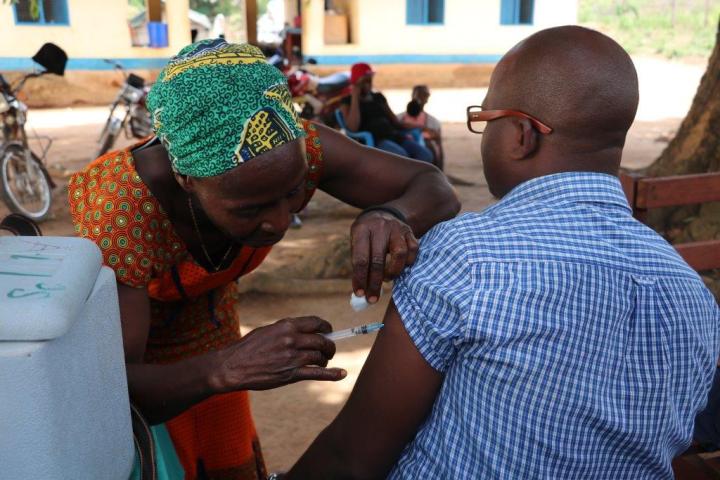
El Salvador and Costa Rica have achieved a global first in public health innovation, becoming the first region worldwide to issue digital yellow fever vaccination certificates fully aligned with the standards of the World Health Organization's Global Digital Health Certification Network (GDHCN). The breakthrough marks a major milestone for the Americas and underscores the region's leadership in advancing secure, interoperable digital health systems.
While this achievement signals a new era in global travel health documentation, WHO emphasized that the traditional international paper certificate remains required for travelers entering certain countries until global consultations on digital formats are completed. This ensures continuity, safety, and international compliance as digital certificates continue to roll out.
A Regional Triumph in Digital Health Transformation
The accomplishment is rooted in a larger movement to modernize health systems across Latin America and the Caribbean, driven in part by the Pan American Digital Health Roadmap — a collaborative initiative led by the Inter-American Development Bank (IDB) and the Pan American Health Organization (PAHO).
Both El Salvador and Costa Rica strengthened their digital infrastructure through:
-
National and regional connectathons
-
Technical cooperation via the Latin American and Caribbean Network for Digital Health (RACSEL)
-
Adoption of global standards for digital certification
-
Investments in cybersecurity and interoperability frameworks
These efforts enabled both countries to issue digital certificates that meet WHO's rigorous requirements for authenticity, privacy, and international recognition.
Leaders Celebrate a Milestone in Digital Public Health
Javier Guzmán, chief of the Health, Nutrition, and Population Division at the IDB, praised the achievement:
"This progress shows how regional cooperation and digital infrastructure can transform the way people access health services. The IDB will continue supporting countries to ensure secure, internationally recognized certificates become a reality throughout the region."
PAHO's head of information systems and digital health, Marcelo D'Agostino, highlighted the broader vision:
"Strengthening the digital health infrastructure will allow people to travel throughout the region in the future without duplicate vaccinations or paperwork. This is a step toward more equitable and efficient health care across Latin America and the Caribbean."
Global Health Regulations Enable Digital Innovation
Yellow fever vaccination certificates — and polio vaccination certificates for some destinations — are the only health documents officially recognized as entry requirements under the International Health Regulations (IHR, 2005).
Recent amendments to the IHR, which entered into force in September 2024, formally introduced the option to issue these certificates in digital or paper format. This shift helps safeguard:
-
Data security
-
Authenticity of vaccination records
-
International interoperability
-
Protection against fraud and counterfeit documents
Digital certification reduces opportunities for forged documents, improves record-keeping accuracy, and strengthens global health surveillance.
Improving Public Health Security and Reducing Costs
Digital vaccine certificates also help governments:
-
Collect real-time information on vaccination status
-
Optimize vaccine resource management
-
Avoid the high costs of duplicate vaccinations
-
Prevent informal and illegal markets in paper certificates
-
Strengthen emergency preparedness by tracking immunization gaps
For yellow fever — a mosquito-borne viral disease that can be fatal — these improvements are critical. As of early November 2025, Latin America recorded 295 human cases and 122 deaths across six countries.
A Milestone for Regional Cooperation: PH4H Initiative
This achievement also reflects the collaborative spirit behind PH4H (Pan American Highway for Health), a joint initiative led by the IDB, PAHO, and regional governments to build:
-
Connected
-
Safe
-
Reliable
-
Resilient
health systems across the Americas.
Within the WHO's GDHCN, the PH4H initiative established a trust domain enabling countries to mutually recognize and validate digital health certificates that follow global standards. This ensures compatibility and security across national health systems.
El Salvador and Costa Rica now serve as regional pioneers, inspiring other nations to adopt similar digital health innovations.
Continental Momentum Builds: 12 Countries Join the GDHCN PH4H Domain
During the regional event "Pan American Highway for Digital Health: Driving Innovation and Connection in the Americas", held in San Salvador with representatives from 26 countries:
-
The IDB and PAHO formally recognized the achievements of El Salvador and Costa Rica
-
Twelve more countries joined the GDHCN PH4H trust domain, expanding cooperation and setting the foundation for universal digital health certification in the region
The initiative is supported by the Government of Japan, highlighting global interest in strengthening digital public health governance.
A Blueprint for the Future of Global Travel and Health Security
As digital transformation reshapes health systems, El Salvador and Costa Rica's leadership demonstrates how coordinated regional strategies, shared standards, and international cooperation can modernize public health for the 21st century.
Their achievement lays the groundwork for a future where:
-
Vaccination records are secure, portable, and universally recognized
-
Health data systems are interoperable across borders
-
Travelers face fewer administrative barriers
-
Governments can better manage disease outbreaks
-
Digital health strengthens equity, efficiency, and resilience
With momentum growing across the Americas, the region is positioning itself at the forefront of global digital health innovation — transforming not only travel but the future of healthcare itself.


 Google News