

WHO Hosts Global Parliamentarians to Advance Women’s Health and SRHR
WHO officials underscored the pivotal role of parliamentarians in translating evidence into legislation, shaping national health budgets and ensuring measurable progress for women and families.
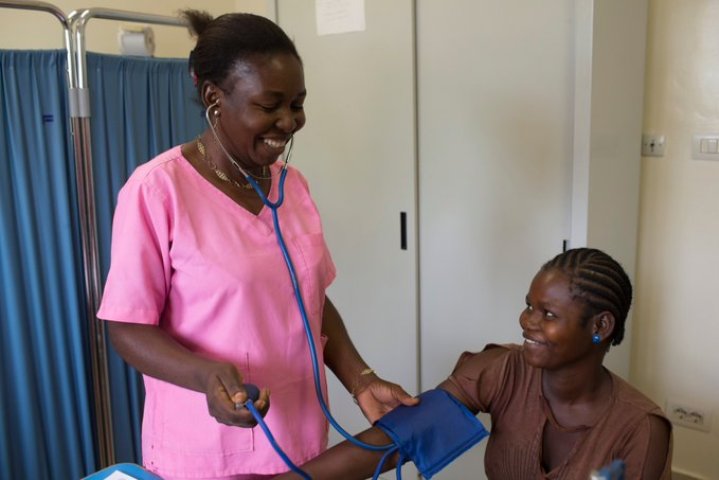
The World Health Organization (WHO) convened a high-level dialogue in Geneva on 20 January 2026 with parliamentarians from across Europe, Africa, Asia and Latin America, focused on advancing women's health, strengthening sexual and reproductive health and rights (SRHR), tackling noncommunicable diseases (NCDs) and shaping the future of global health cooperation.
The exchange was convened by the Konrad-Adenauer-Stiftung (KAS) and the UNITE Parliamentarians Network for Global Health, bringing together lawmakers from Albania, Germany, Georgia, Mexico, Slovakia, South Africa, Sri Lanka, Sweden and Zimbabwe.
WHO officials underscored the pivotal role of parliamentarians in translating evidence into legislation, shaping national health budgets and ensuring measurable progress for women and families.
Moving Beyond Fragmented Approaches to Women's Health
A central theme of the dialogue was the urgent need for more integrated and gender-responsive health systems.
Dr Alia El-Yassir, WHO Director for Gender, Equity and Diversity, highlighted that women's health outcomes are shaped not only by clinical care but also by gender inequalities, social norms and structural barriers across the life course.
Participants discussed how coordinated action across health systems is essential to address these wider determinants and improve outcomes for women and girls globally.
Thirty years after the Beijing Declaration and Platform for Action (1995), WHO officials noted that progress remains uneven.
Dr Anna Coates, WHO Gender Equality Technical Lead, stressed the need for health systems capable of responding holistically to women's needs throughout their lives, rather than through isolated or short-term interventions.
Parliamentarians echoed that health policy must be closely linked with broader social and economic frameworks, calling for stronger connections between evidence, lawmaking and real-world impact.
Strengthening Sexual and Reproductive Health and Rights
The dialogue also placed strong emphasis on sexual and reproductive health and rights (SRHR), with lawmakers expressing keen interest in engaging on issues that directly affect communities and constituents.
Dr Pascale Allotey, Director of WHO's Department of Sexual, Reproductive, Maternal, Child, Adolescent Health and Ageing, outlined WHO's life-course approach to SRHR.
She highlighted how health needs evolve from birth through older age, shaped by social determinants, humanitarian crises and demographic change.
Dr Allotey emphasised the crucial role of parliamentarians in advancing SRHR and supporting evidence-based policymaking in collaboration with WHO and the Human Reproduction Programme.
Cancer and NCDs Rising as Major Women's Health Priorities
Cancer was underscored as a growing global challenge for women's health and health system sustainability.
WHO experts presented the Organization's integrated approach to cancer control, spanning prevention, screening, treatment access and palliative care.
Presentations included contributions from:
-
Dr Prebo Barango, Lead for the Cervical Cancer Elimination Initiative
-
Dr Meghan Doherty, Consultant for Palliative Care
-
Mr Santiago Milan, Lead for the WHO Global Platform for Access to Childhood Cancer Medicine
Discussions highlighted progress in initiatives targeting cervical, breast and childhood cancers, alongside the need for sustained political commitment and domestic investment to address the rising burden of NCDs.
Parliamentarians shared national experiences illustrating the social and economic impacts of cancer on families and caregivers, reinforcing the importance of:
-
improving health literacy
-
reducing stigma
-
expanding people-centred care and quality of life support
The Future of Global Health Cooperation and Multilateralism
The dialogue also addressed the broader future of global health governance.
Dr Jeremy Farrar, WHO Assistant Director-General for Health Promotion, Disease Prevention and Care, outlined WHO's ongoing restructuring and realignment process to enhance efficiency, impact and country support.
He reaffirmed WHO's commitment to deeper and more systematic engagement with parliaments, recognising their pivotal influence over health legislation, policy direction and national investment.
Continued Collaboration Ahead of UNITE Global Summit 2026
The Geneva exchange concluded with a shared call for sustained collaboration between WHO, parliamentarians and key partners, including KAS and the UNITE Parliamentarians Network for Global Health.
The dialogue builds momentum toward the upcoming UNITE Global Summit 2026, scheduled for 6–7 March in Manila, Philippines, where parliamentary leadership on health is expected to remain a central focus.
WHO officials stressed that improving women's health globally will require political leadership, long-term investment and agile multilateral institutions capable of responding to evolving health challenges.


 Google News