

Measles Cases Fall 75% in Europe and Central Asia, But Outbreak Risk Persists
Many infections recorded in 2024 and 2025 could have been prevented with stronger routine immunization coverage and faster outbreak response at community level.
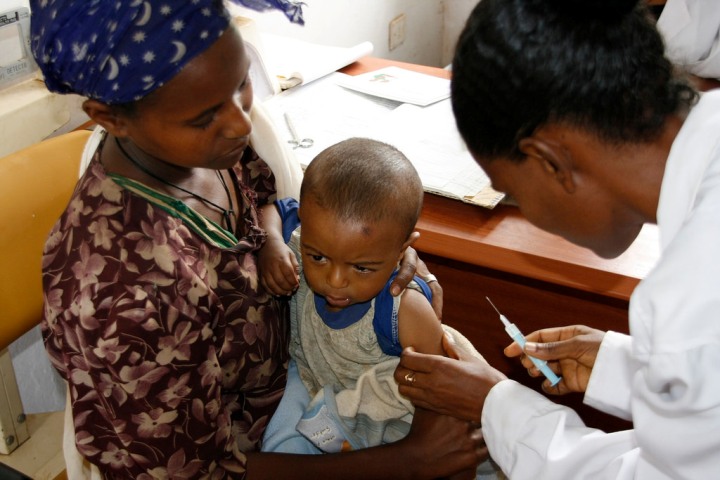
Measles cases across Europe and Central Asia dropped sharply in 2025, falling nearly 75 percent compared to the previous year, according to preliminary data from 53 countries in the WHO European Region. However, UNICEF and the World Health Organization (WHO) warn that the threat of renewed outbreaks remains high.
Countries in the region reported 33,998 measles cases in 2025, down from 127,412 in 2024. Health agencies attribute the decline to intensified outbreak response measures and the gradual reduction in the number of susceptible individuals as the virus spread through under-vaccinated communities.
Despite the improvement, officials stress that the underlying drivers of recent resurgence remain unresolved.
Vaccination Gaps Still Driving Risk
"While cases have reduced, the conditions that led to the resurgence of this deadly disease in recent years remain and must be addressed," said UNICEF Regional Director for Europe and Central Asia Regina De Dominicis.
"Until all children are reached with vaccination, and hesitancy fuelled by the spread of misinformation is addressed, children will remain at risk of death or serious illness from measles and other vaccine-preventable diseases."
Many infections recorded in 2024 and 2025 could have been prevented with stronger routine immunization coverage and faster outbreak response at community level.
Although case numbers fell in 2025, they still exceeded levels reported in most years since 2000, and some countries recorded more cases in 2025 than in 2024. Measles transmission has also continued into 2026.
Elimination Efforts Suffer Major Setback
In September 2025, the European Regional Verification Commission for Measles and Rubella Elimination concluded that 19 countries in the region had continuing or re-established endemic measles transmission — up from 12 countries the previous year.
WHO Regional Director for Europe Dr Hans Henri P. Kluge described the development as a serious warning sign.
"Measles cases fell by nearly 75 per cent last year, but the risk of outbreaks remains. Over 200,000 people in our Region fell ill with measles in the past three years," he said.
"Unless every community reaches 95 per cent vaccination coverage, closes immunity gaps across all ages, strengthens disease surveillance and ensures timely outbreak response, this highly contagious virus will keep spreading."
One of the Most Contagious Viruses
Measles remains one of the world's most contagious infectious diseases.
-
One infected person can spread the virus to up to 18 unvaccinated individuals
-
Measles is roughly 12 times more contagious than influenza
Beyond immediate illness, measles can lead to:
-
Hospitalization and death
-
Long-term health complications
-
Suppression of the immune system, weakening its ability to fight other infections for months or even years
95% Vaccination Coverage Critical
Two doses of a measles-containing vaccine provide up to 97 percent life-long protection.
Public health experts emphasize that 95 percent coverage with two doses in every community is essential to:
-
Prevent outbreaks
-
Achieve herd immunity
-
Protect infants too young to be vaccinated
-
Safeguard immunocompromised individuals
Combating Misinformation and Strengthening Response
WHO and UNICEF highlighted the role of misinformation in fuelling vaccine hesitancy and urged communities to rely on verified information from trusted health authorities.
"In today's environment of rampant fake news, it's crucial that people rely on verified health information from reliable sources such as WHO, UNICEF and national health agencies," Dr Kluge said.
UNICEF and WHO are working with governments and partners — including Gavi, the Vaccine Alliance, and the European Union — to strengthen immunization programmes, improve surveillance systems, train health workers, and conduct vaccination catch-up campaigns.
Health Security at Stake
While the 2025 decline marks progress, health officials warn that without sustained investment in routine immunization and public confidence in vaccines, the region risks further setbacks.
"Eliminating measles is essential for national and regional health security," Dr Kluge said.


 Google News