

Denmark First in EU to Eliminate HIV, Syphilis Transmission to Babies
“The elimination of mother-to-child transmission of HIV and syphilis marks a major public health achievement for Denmark,” said WHO Director-General Dr Tedros Adhanom Ghebreyesus.
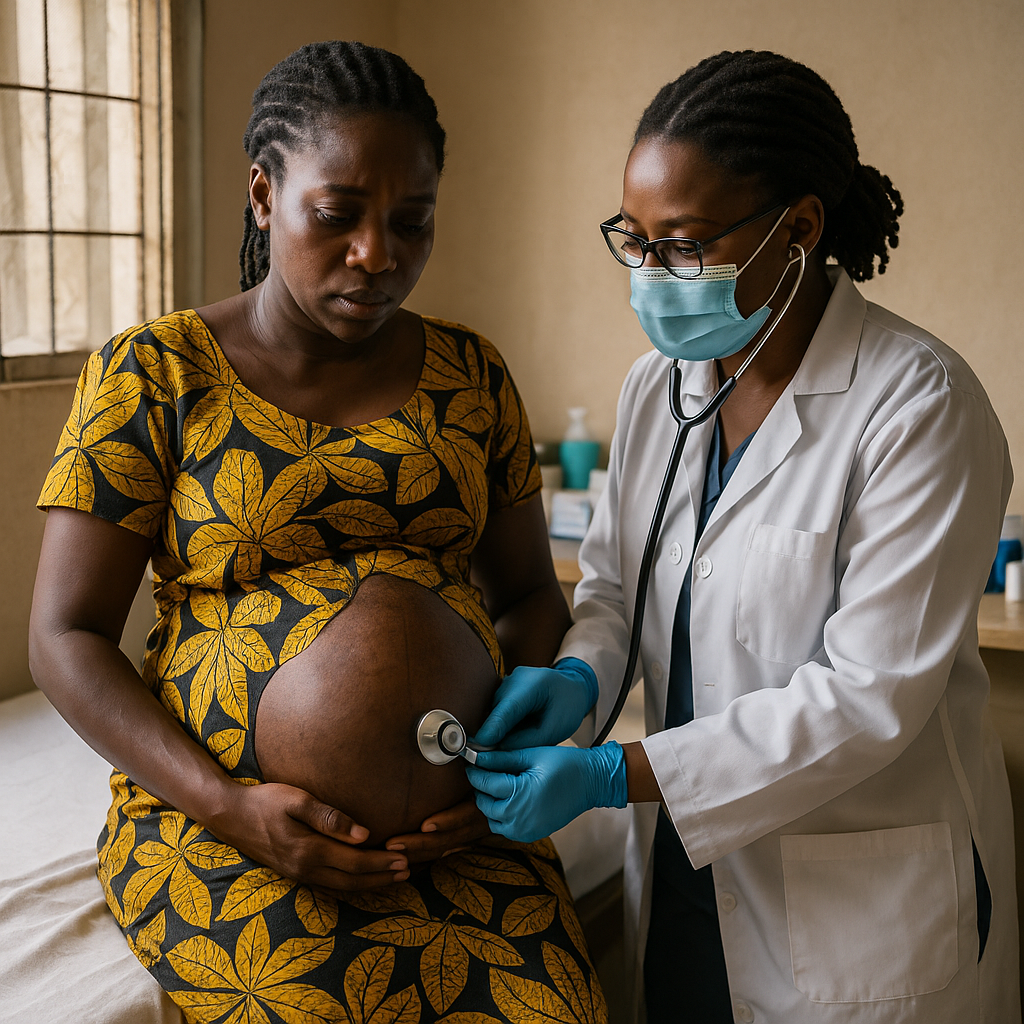
The World Health Organization (WHO) has certified Denmark for eliminating mother-to-child transmission (EMTCT) of HIV and syphilis, marking the first time a European Union country has achieved the milestone.
The validation confirms that Denmark has met stringent global criteria to ensure babies are born free of the two infections, following sustained investment in universal health coverage, integrated maternal care and rights-based public health policies.
Landmark Public Health Achievement
"The elimination of mother-to-child transmission of HIV and syphilis marks a major public health achievement for Denmark," said WHO Director-General Dr Tedros Adhanom Ghebreyesus.
"This milestone demonstrates that with strong political commitment and consistent investment in primary care and integrated maternal and child health services, countries can protect every pregnant woman and newborn from these diseases."
The certification follows assessments by WHO's Regional Validation Committee in June 2025 and the Global Validation Advisory Committee (GVAC) in August 2025. Denmark met all required targets between 2021 and 2024, including maintaining very low transmission rates and achieving high prenatal testing and treatment coverage.
Meeting Strict Global Benchmarks
To achieve validation, countries must:
-
Test and treat at least 95% of pregnant women for HIV and syphilis
-
Maintain new infant infection rates below 50 per 100,000 live births
-
Demonstrate sustained performance over multiple years
-
Ensure robust data systems and protection of women's rights
"As the first European Union country to achieve this public health milestone, Denmark's success is a testament to the strength of its maternal health system," said Dr Hans Henri P. Kluge, WHO Regional Director for Europe.
"Elimination means testing and treating at least 95 out of every 100 pregnant women – and keeping new infant infections below 50 per 100,000 births, year after year. Denmark has met these benchmarks through strong antenatal care, reliable data systems and respect for women's rights."
Decades of Sustained Commitment
Denmark's success reflects decades of integrated screening during pregnancy, strong laboratory capacity, high-quality data systems and universal access to healthcare.
Health authorities credit collaboration between clinicians, midwives and public health teams for maintaining high coverage and early intervention.
"This validation by WHO is a proud moment for Denmark and the result of decades of work by our health-care professionals," said Sophie Løhde, Denmark's Minister for the Interior and Health.
"Denmark's universal health system – built on equal access for all – has been the foundation of this achievement. Being the first country in the European Union to reach this milestone is both an honour and a responsibility."
Moving Toward Triple Elimination
Denmark is now working with WHO toward achieving "triple elimination" by adding hepatitis B to its EMTCT certification.
WHO officials say Denmark's experience offers a model for other countries seeking to strengthen prevention of vertical transmission.
The country now joins 22 other nations and territories validated by WHO for eliminating mother-to-child transmission of HIV, syphilis or hepatitis B, or certified as being on the path to elimination. These include Brazil, Cuba, Thailand, Malaysia, Botswana, Namibia and several Caribbean states.
WHO said Denmark's achievement underscores that elimination is possible when universal health coverage, human rights protections and strong data systems work together.
ALSO READ
-
People Are Living Longer, but WHO Figures Reveal Growing Cost of Poor Health
-
Netherlands and WHO Strengthen Health Partnership as Crises Put Care Under Pressure
-
Longer Lives, Unequal Care: UN Report Exposes Gaps in Support for Older People Globally
-
Kazakhstan Connects Over 200 Health Workers With Global Clinical Research Experts
-
Higher Tobacco Taxes Cut Smoking and Show How Health Levies Can Change Daily Lives


 Google News