

WHO Expands Frontline Lung Care in South Asia: Nepal and Sri Lanka Lead Push to Tackle Chronic Respiratory Diseases
Asthma and COPD remain among the most underdiagnosed and undertreated conditions in many low- and middle-income countries, despite their significant health burden.
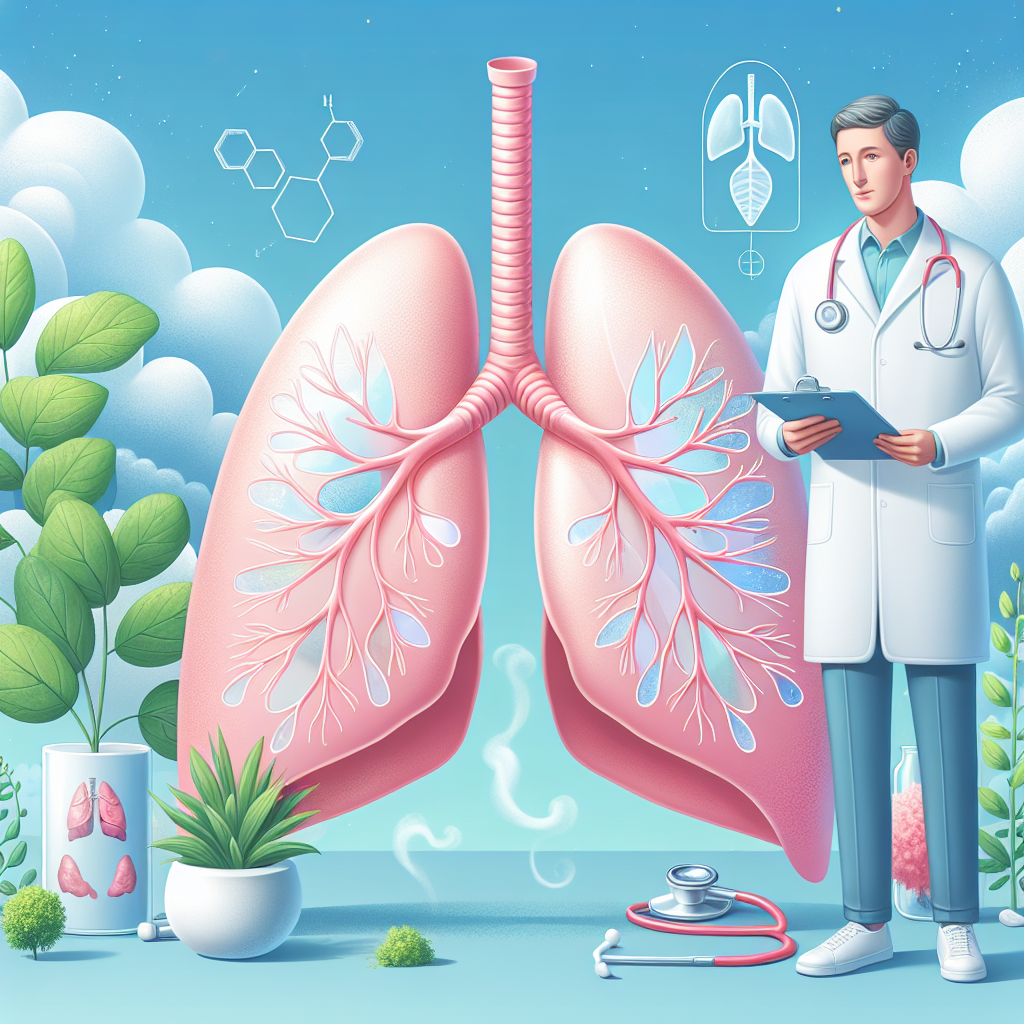
The World Health Organization (WHO) is stepping up efforts to combat chronic respiratory diseases (CRDs) in South Asia, rolling out a major initiative to integrate asthma and chronic obstructive pulmonary disease (COPD) services into primary health care (PHC) systems in Nepal and Sri Lanka.
Backed by Bloomberg Philanthropies, the initiative represents a shift toward community-based, accessible care, aiming to close long-standing gaps in diagnosis, treatment, and long-term management of respiratory illnesses that affect millions across the region.
A Silent but Growing Health Crisis
Asthma and COPD remain among the most underdiagnosed and undertreated conditions in many low- and middle-income countries, despite their significant health burden.
According to WHO data for the South-East Asia Region:
-
Over 104 million people are living with chronic respiratory diseases
-
CRDs account for approximately 12% of all deaths
-
Around 1.56 million deaths were recorded in 2021
These figures highlight a persistent challenge—especially in settings where:
-
Diagnostic tools are limited
-
Access to inhaled medicines is inconsistent
-
Continuity of care is weak
Primary Health Care as the Frontline Solution
WHO's strategy places primary health care at the centre of reform, recognising it as the most effective entry point for early detection and ongoing management.
Strengthening PHC systems allows for:
-
Early identification of asthma and COPD
-
Timely and appropriate treatment
-
Support for correct inhaler use
-
Regular follow-up and referrals
-
Community-level patient education
This approach aims to bring care closer to patients, reducing delays and improving outcomes.
From Policy to Practice
The initiative is now moving from planning to early-stage implementation, with both countries undertaking:
-
National consultations
-
Health service mapping
-
Implementation planning
-
Preparation for frontline worker training
The goal is to test practical delivery models that can later be scaled up nationally and across the region.
"These projects align closely with the integrated lung health approach endorsed by the World Health Assembly," said Dr Sarah Rylance, WHO's lead for chronic respiratory diseases, pointing to a global push for stronger PHC systems and improved access to diagnostics and medicines.
Nepal: Integrating Care into Existing Systems
In Nepal, the programme is being piloted in Kavre District, building on existing noncommunicable disease (NCD) platforms.
The approach includes:
-
Integrating asthma and COPD care into existing PHC and NCD services
-
Delivering short, practical training modules for health workers
-
Providing job aids and locally adapted materials
-
Strengthening supervision and community engagement
"The initiative builds on lessons from hypertension and diabetes programmes, ensuring integration rather than duplication," said Dr Poma Thapa from Nepal's Department of Health Services.
Sri Lanka: Strengthening Screening and Follow-Up
In Sri Lanka, implementation is underway in Kandy and Kalutara districts, focusing on a structured, primary care-led model.
Key components include:
-
Systematic screening for respiratory conditions
-
Improved diagnostic capacity
-
Training for healthcare workers
-
Enhanced patient education
-
Stronger follow-up through Healthy Lifestyle Centres
This model is designed to improve continuity of care—one of the weakest links in chronic disease management.
Closing Regional Gaps
The challenges faced by Nepal and Sri Lanka reflect broader regional issues, including:
-
Limited availability of diagnostic tools
-
Underuse of essential inhaled medicines
-
Fragmented service delivery systems
By embedding respiratory care within PHC, WHO aims to create equitable, people-centred health systems that can address these gaps effectively.
"These initiatives demonstrate practical pathways for closing persistent gaps in respiratory care across the region," said Dr Suman Rijal of WHO's South-East Asia Regional Office.
Building a Scalable Model
A key objective of the programme is to generate operational insights that can guide expansion across other countries.
Lessons learned will help:
-
Strengthen existing NCD programmes
-
Improve integration of services
-
Enhance efficiency of health systems
-
Expand access to quality respiratory care
Next Phase: Training and Service Delivery
The next stage will focus on:
-
Training frontline health workers
-
Scaling up service delivery
-
Improving patient support systems
This phase is expected to ensure that healthcare providers are equipped to deliver integrated, continuous respiratory care at the community level.
Toward More Accessible, Equitable Care
As chronic respiratory diseases continue to rise globally, WHO's initiative signals a broader shift toward preventive, decentralised healthcare models.
By bringing diagnosis and treatment closer to where people live, the programme aims to reduce avoidable deaths, improve quality of life, and build more resilient health systems.
If successful, the Nepal and Sri Lanka pilots could serve as a blueprint for scaling integrated respiratory care across the South-East Asia Region and beyond.
ALSO READ
-
People Are Living Longer, but WHO Figures Reveal Growing Cost of Poor Health
-
Netherlands and WHO Strengthen Health Partnership as Crises Put Care Under Pressure
-
Longer Lives, Unequal Care: UN Report Exposes Gaps in Support for Older People Globally
-
Kazakhstan Connects Over 200 Health Workers With Global Clinical Research Experts
-
Higher Tobacco Taxes Cut Smoking and Show How Health Levies Can Change Daily Lives


 Google News