

Nearly 3 Million Children at Risk as Ebola Cases Reach 1,000
UNICEF Executive Director Catherine Russell said children are experiencing profound loss and uncertainty as the outbreak continues to spread through vulnerable communities.
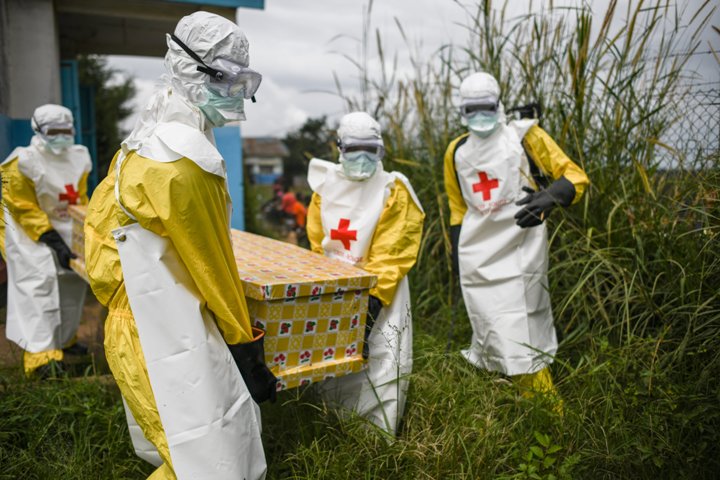
Almost three million children and adolescents in eastern Democratic Republic of the Congo (DRC) are facing growing risks from the Ebola outbreak and its wider social impact, according to a warning from UNICEF.
As confirmed Ebola cases worldwide reach 1,000, the UN agency estimates that 2.95 million people aged 18 and under are living in 31 affected health zones. They account for more than half of the population in the outbreak areas and face threats not only from the virus itself but also from disruptions to healthcare, education and other essential services. UNICEF Executive Director Catherine Russell said children are experiencing profound loss and uncertainty as the outbreak continues to spread through vulnerable communities.
Children Face Higher Risk of Death
Children and adolescents currently represent around 15 per cent of confirmed Ebola infections in eastern DRC, yet account for more than a quarter of confirmed deaths linked to the outbreak. According to UNICEF, young people with confirmed Ebola are nearly twice as likely to die as infected adults, highlighting the severe impact the disease is having on children.
The outbreak remains concentrated in Ituri Province, particularly in the Mongbwalu, Rwampara and Bunia health zones. Cases have also been reported in North Kivu and South Kivu. Although testing capacity has improved, surveillance efforts and contact tracing remain challenging due to insecurity and restricted access to some communities. Health officials say these obstacles make it difficult to fully understand the scale of transmission.
Families Torn Apart by the Outbreak
The outbreak is leaving many children without parental care. In Ituri alone, 135 children who lost one or both parents to Ebola are receiving support through psychosocial services, referrals to essential assistance programmes and alternative care arrangements.
To help protect young children separated from caregivers, UNICEF has supported the opening of the first dedicated nursery linked to an Ebola treatment centre. The facility provides care and protection for infants and young children while parents or caregivers receive medical treatment.
Two additional nurseries are expected to open in the coming weeks.
Children in the region were already facing serious challenges before the outbreak. More than half of children under five in Ituri are chronically malnourished, while vaccination rates remain low. Health experts warn that malnutrition and limited access to healthcare increase vulnerability to Ebola and complicate recovery.
Wider Humanitarian Concerns Growing
Beyond the immediate health risks, UNICEF warns that the outbreak is increasing children's exposure to stigma, psychological distress and violence. Disease outbreaks often lead to higher risks of abuse and exploitation, particularly for women and girls. At the same time, disruptions to healthcare, nutrition programmes, schools, water services and child protection systems leave families with fewer sources of support.
The situation is further complicated by years of conflict and displacement across eastern DRC, where many communities were already struggling with insecurity before the outbreak began. The outbreak has also crossed borders. In neighbouring Uganda, 20 Ebola cases and two deaths have been confirmed among people who travelled from DRC seeking testing and treatment. One child has tested positive, while 19 others are currently under quarantine monitoring.
UNICEF is working alongside governments, the World Health Organization and the Africa Centres for Disease Control and Prevention to support disease control measures and maintain essential services. The agency is seeking US$70.7 million for its six-month response plan, with US$20 million still unfunded. Russell stressed that protecting children will require continued humanitarian access and sufficient resources to reach every affected community before the crisis deepens further.
ALSO READ
-
Lebanon’s Children Cannot Lose More of Their Childhood, UNICEF Chief Urges Action
-
Sudan Shelter Drone Strike Reportedly Kills a Boy and Injures 12 Children
-
Syria’s Returning Children Need Schools, Care and Safe Water to Rebuild Lives
-
Lebanon’s Children Face Hunger, Lost Schooling and Work as Families Reach the Brink
-
UNICEF Praises Jordan’s Progress for Children as Funding Cuts Threaten Vital Services


 Google News