

43 Million Adolescent Girls Face Violence as WHO Calls for Stronger Global Action
WHO reports that nearly 30% of adolescent girls in this age group had experienced these forms of violence, exposing a serious threat to their health, safety and opportunities.
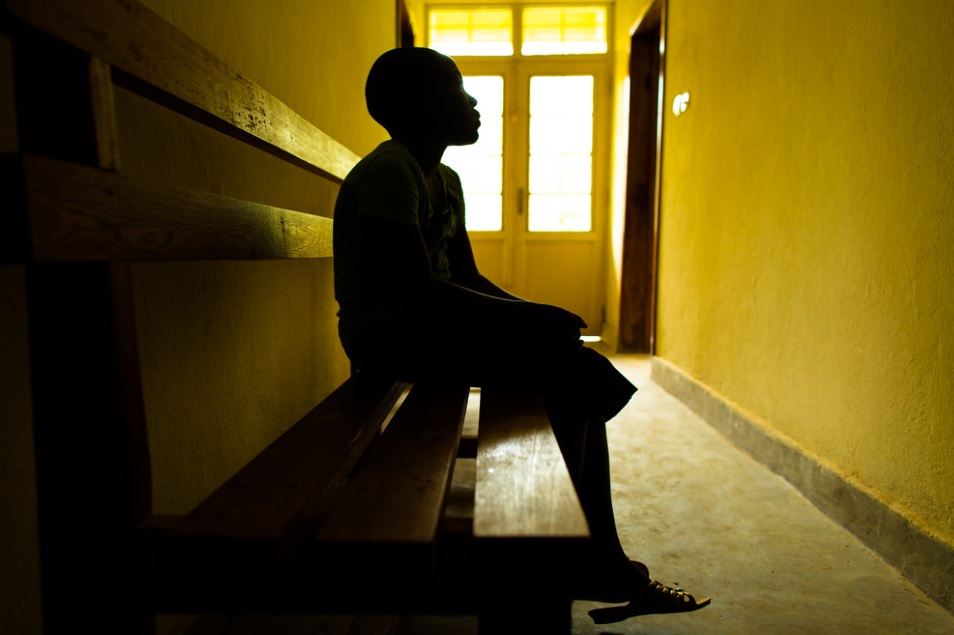
For millions of adolescent girls, violence reaches into the years when they are building friendships, continuing their education and making decisions about their future, leaving consequences that can follow them into adulthood. New WHO estimates for 2023 indicate that around 43 million girls aged 15–19 had experienced intimate partner violence, sexual violence by someone other than a partner, or both during their lives. WHO reports that nearly 30% of adolescent girls in this age group had experienced these forms of violence, exposing a serious threat to their health, safety and opportunities.
The figures reveal violence starting early
A new technical brief brings together estimates from WHO, UN partners and HRP, the UNDP/UNFPA/UNICEF/WHO/World Bank Special Programme of Research, Development and Research Training in Human Reproduction. Among girls aged 15–19 who had ever had a partner, an estimated 23% had experienced physical or sexual violence from an intimate partner during their lifetime, and 16% had experienced it in the previous year. Sexual violence committed by someone other than a partner affected an estimated 8% of all girls in this age group during their lifetime, showing that the danger extends beyond intimate relationships.
Many girls never disclose or report what happened to them, meaning these estimates are likely to capture only part of the problem. Violence is associated with injuries, unintended pregnancy, sexually transmitted infections and mental health conditions such as anxiety and depression, with effects that can interfere with everyday life and continue for years. Education can be disrupted, relationships can be affected, and current or future employment opportunities can narrow, making the consequences much broader than the immediate harm experienced during an assault.
Child marriage and inequality increase vulnerability
The brief describes risks shaped by personal circumstances, relationships, communities and wider society, including gender inequality and discriminatory social norms that influence how girls are treated. Research highlighted in the analysis finds that countries with more child marriage, lower educational attainment among girls and discriminatory property and inheritance laws tend to have higher levels of intimate partner violence. These patterns connect girls' safety with their access to education, their legal rights and the expectations placed on them, giving governments concrete areas where stronger protection and prevention are needed.
An account from a service provider in the Bangladesh Bureau of Statistics' Violence Against Women Survey 2024 illustrates how early marriage can expose girls to harm. Children aged just 12 or 13 were described as being expected to run households, care for their in-laws and meet their husbands' demands, with violence often beginning when they struggled with those responsibilities. Dr LynnMarie Sardinha, who leads violence against women data and measurement at WHO and HRP, stressed that prevention must address the inequalities putting girls at risk and ensure survivors can reach safe, appropriate support.
Girls need protection and care they can reach
The brief calls for action across health, education, justice and other sectors to promote gender equality, expand access to secondary education, end child marriage, strengthen legal protections and improve support services. Health systems need care suited to adolescents and centred on survivors' needs, including sexual and reproductive health services and mental health support. Better data collection, research, monitoring and sustained investment are needed to understand gaps and support effective responses, with girls' experiences informing services that can help them recover and continue their lives.
WHO says no country is currently on track to eliminate violence against women and girls by 2030, and girls continue to face violence at home, in schools and on the streets. The interagency RESPECT Women framework identifies promising prevention approaches and support for survivors, providing a foundation for action that countries can put into practice. The urgent task is to make those protections and services available to girls whose health, education and futures are being affected today.
ALSO READ
-
WHO’s Updated Oral Health Survey Brings Dental Disease Into National Health Focus
-
People Are Living Longer, but WHO Figures Reveal Growing Cost of Poor Health
-
Netherlands and WHO Strengthen Health Partnership as Crises Put Care Under Pressure
-
Longer Lives, Unequal Care: UN Report Exposes Gaps in Support for Older People Globally
-
Mexico’s Women Searchers Face Murder and Disappearance as UN Demands State Protection


 Google News