

How World Health Summit gives endeavor to attain SDG 3 by 2030
- Country:
- Nigeria
A group of health community gathered in Berlin for the World Health Summit after world leaders met at the United Nations General Assembly with an objective to recommit to financing for universal health coverage.
Under the patronage of German Chancellor Angela Merkel, French President Emmanuel Macron and European Commission President Jean-Claude Juncker, this year's summit will focus on universal health coverage and human capital in Africa, the role of the G7 and G20 in global health and how the Global Action Plan can be implemented.
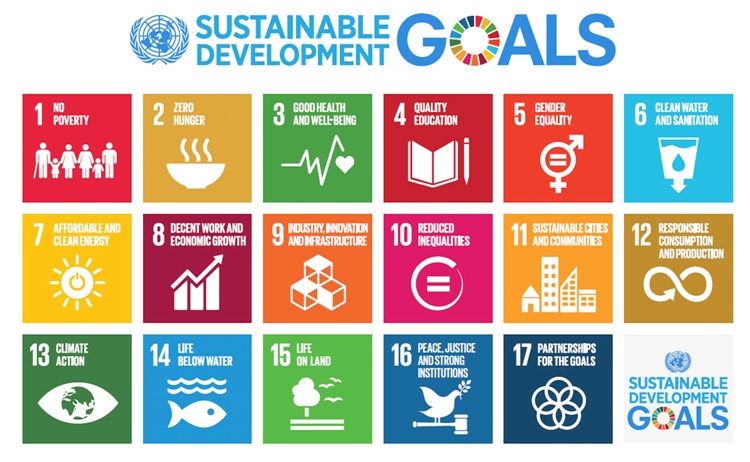
Launched in September at the UN General Assembly, the Global Action Plan outlines how 12 multilateral health, development and humanitarian agencies will collaborate to support countries to deliver universal health coverage and achieve the health-related Sustainable Development Goals targets. The agencies represent approximately one-third of all development assistance to health and have committed to align operational and financing efforts, engage better with countries and accelerate progress on key issues, including primary health care and sustainable health financing.
The World Bank's experts believe that progress is inevitable to achieve SDG health targets by 2030. Equitable access to affordable quality healthcare is far from reach for billions of people around the world, driving 100 million people into poverty every single year. The World Bank estimates low- and lower-middle-income countries will need to invest approximately USD 176 billion more a year by 2030 to make essential quality services accessible for their populations.
In many of these countries, total per capita spending on health is low—averaging USD 40 in low-income countries and many are reliant on out-of-pocket expenditures causing financial hardship and impoverishment. Closing the financing gap through high performing health financing systems is key to ensuring an essential package of quality services for all.
Based on a data by the World Health Organization, around 5 billion people will lack access to essential health services by 2030 unless health service coverage grows twice as fast. The World Bank and the Global Financing Facility (GFF) are working together with Global Action Plan partners to support countries taking the lead to increase domestic and external financing for health and human capital investments.


 Google News