

Durga Puja Opens Doors to Greater Inclusion as Organisers Put Accessibility First
Participation in cultural life is a right recognised by India’s disability law and the UN Convention on the Rights of Persons with Disabilities, which India ratified in 2007.
- Country:
- India
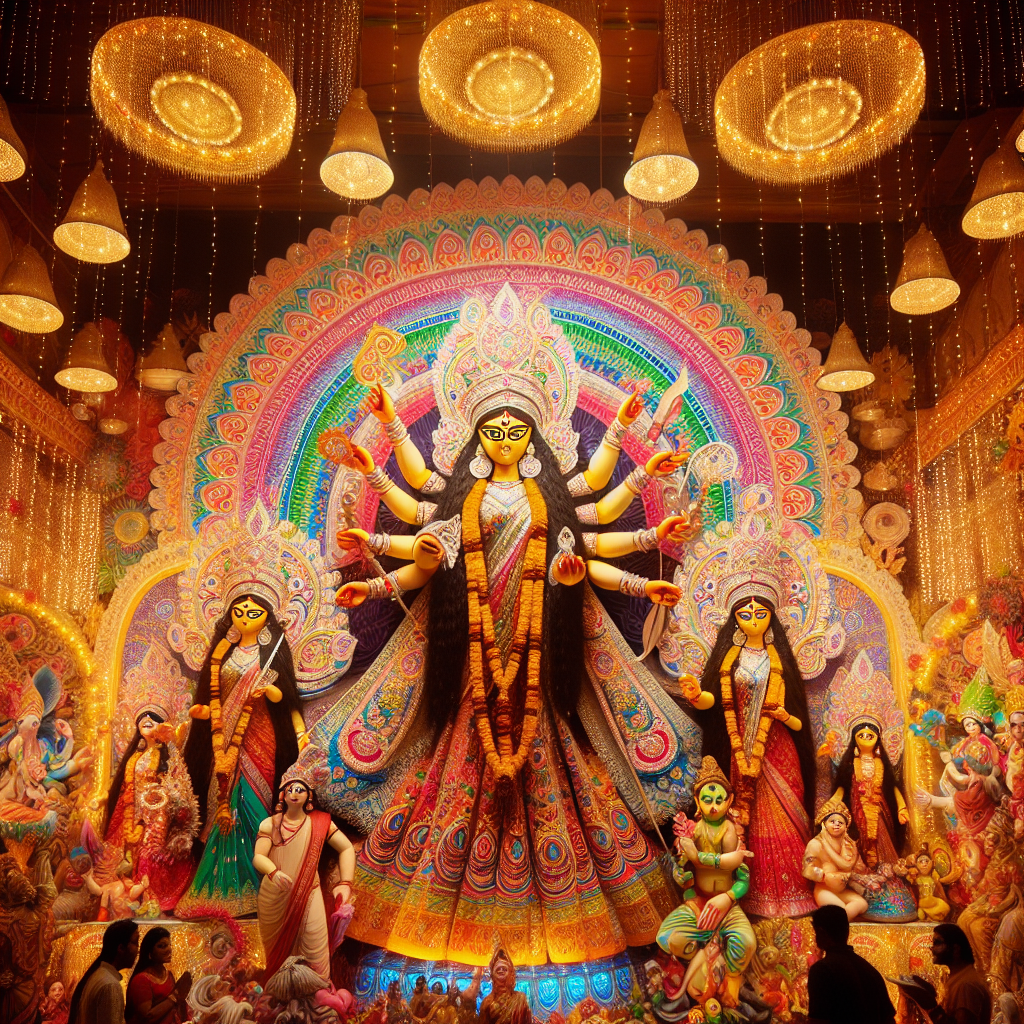
For a festival built around community participation, steps, crowded entrances and inaccessible information can leave people outside the celebrations. The Government of West Bengal has joined the United Nations in India and UNESCO to make Durga Puja more accessible to persons with disabilities, with organisers in Kolkata and the New Delhi area receiving training on guidelines designed to turn inclusion into practical changes at pandals.
The initiative, led by UN in India and UNESCO with the Indian Institute of Technology Kharagpur, is entering its second year. West Bengal will work with UNESCO, government departments and district administrations to encourage committees across the state to adopt the guidelines. Urban Development and Municipal Affairs Minister Agnimitra Paul emphasised that festivals belong to everyone, regardless of religion, caste or disability, and committed to taking the accessibility message to puja committees statewide.
Making shared heritage easier for everyone to experience
Durga Puja in Kolkata entered UNESCO's Representative List of the Intangible Cultural Heritage of Humanity in December 2021, recognising committees, families, priests, drummers, artists and craftspeople as bearers of the tradition. Ma'aly Hazzaz, acting Chief of Culture at UNESCO's Regional Office for South Asia, described it as living heritage whose collective spirit depends on everyone being able to experience and participate in the celebrations equally.
The need extends across a substantial population: India's 2011 census counted 26.8 million persons with disabilities, representing 2.21% of the population under eight disability categories, compared with the 21 recognised by the Rights of Persons with Disabilities Act, 2016. The census recorded 104 million people aged 60 or older, or 8.6%, with that share projected to reach 13.1% by 2031. Uneven ground, steps, crowds, low lighting and loud sound in temporary pandals can create barriers, making accessibility relevant to visitors with different needs.
Practical guidelines turn inclusion into festival planning
Launched in 2025 with the West Bengal government, the initiative introduced Standard Operating Procedures developed in consultation with Svayam, Anjali, SANCHAR, Sruti Disability Rights Centre and India Autism Center. The guidance covers six areas: physical infrastructure, accessible communication, inclusive programming, emergency preparedness, volunteer training and attitudes. Piloted at selected pandals in Delhi and Kolkata in 2025, it is available in English, Bengali and Hindi, with the Hindi version launched alongside Delhi's chief minister at a Durga Puja society on Pandara Road.
Three events held between July and September in the New Delhi area brought together 18 puja committees from Delhi, Ghaziabad, Gurugram and Noida. Persons with disabilities participated alongside accessibility experts at the first event at UN House, where committees were encouraged to adopt phased accessibility plans, appoint an accessibility focal point and work with a disability organisation or expert. A separate roundtable at UNESCO House brought disability rights experts together to discuss making accessible festivals a national norm.
Building a festival culture that welcomes participation
Participation in cultural life is a right recognised by India's disability law and the UN Convention on the Rights of Persons with Disabilities, which India ratified in 2007. Dr Saumitra Mohan, Secretary of West Bengal's Department of Information and Cultural Affairs, said the initiative puts international and national inclusion commitments into practice. Special Olympics Bharat President Dr Mallika Nadda highlighted the importance of people with intellectual disabilities participating with dignity and belonging, connecting heritage recognition with meaningful access.
Svayam Founder-Chairperson Sminu Jindal welcomed committees' willingness to make their celebrations more inclusive, expressing hope that the work would become a model for cultural and community events across India. IIT Kharagpur and the five partner organisations will continue providing technical support to participating committees throughout the festival, with organisers planning to extend the approach to other major festivals in future editions.


 Google News