

Thailand on high alert for China virus ahead of Lunar Near Year
- Country:
- Thailand
Thai health officials are stepping up monitoring and inspection at its airports for the new mystery virus from China ahead of Lunar New Year, when Chinese visitors flock to the Southeast Asian country, a health official said on Wednesday.
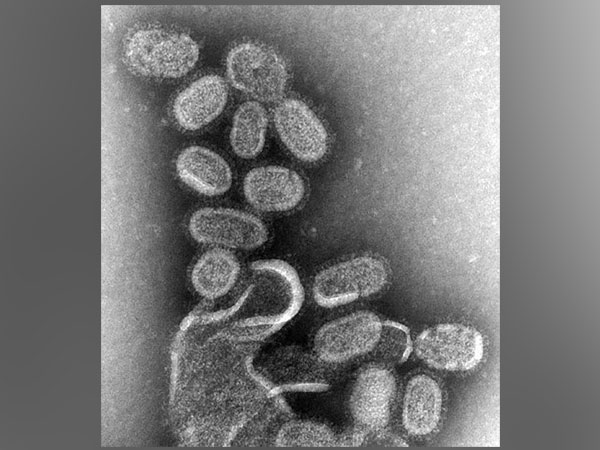
The procedures come days after a Chinese woman was quarantined in Thailand with the mystery strain of the coronavirus, in the first instance of its detection outside of China. Coronaviruses are a large family of viruses that can cause infections ranging from the common cold to SARS.
The World Health Organisation has said there may have been the limited human-to-human transmission of the new coronavirus in China within families. Authorities in the central Chinese city of Wuhan confirmed on Wednesday that a married couple was among 41 people diagnosed with pneumonia believed to be caused by the new virus.
The prospect of human-to-human transmission of a new virus has put Thai authorities on alert. The president of the Tourism Council of Thailand told Reuters on Wednesday that about 800,000 visitors from China were expected to visit the country over the Lunar New Year holiday later this month.
The Public Health Ministry has increased its monitoring at four airports that have daily flights from Wuhan - Suvarnabhumi, Don Mueng, Chiang Mai and Phuket - and any airports that receive charter flights from the city. Preliminary lab tests cited by Chinese state media showed the 41 pneumonia cases in Wuhan, where one patient has died, could be from a new type of coronavirus. There have since been no new cases or deaths, Wuhan health authorities said on Tuesday.
"Usually there are 1,200 arrivals from Wuhan in Thailand, which can go up to 1,500 to 1,600 during Lunar New Year, so we will increase personnel," Thai Disease Control Department Director Sophon Iamsirithaworn told Reuters on Wednesday. "Currently, officers are working 24 hours in three shifts of 5 to 6," he said adding that two infrared thermal scan machines were being used, with two in reserve.
Memories remain fresh in Asia of a 2002-2003 outbreak of SARS, or Severe Acute Respiratory Syndrome (SARS), which emerged in China and killed nearly 800 people worldwide.
ALSO READ
-
More Than Shorter Commute: How Compact Cities Can Help Migrant Workers Find Jobs
-
ILO Report Reveals How to Bring Social Security Within Reach of Informal Workers
-
WTO Sets Up Panel on EU Carbon Border Rules as Russia Challenges Restrictions
-
WHO Brings Global Experts Together to Strengthen Herbal Medicine Quality and Safety
-
Human Cost of Faster Work: Chinese Employees Weigh AI’s Promise Against Pay Fears


 Google News